
Pests
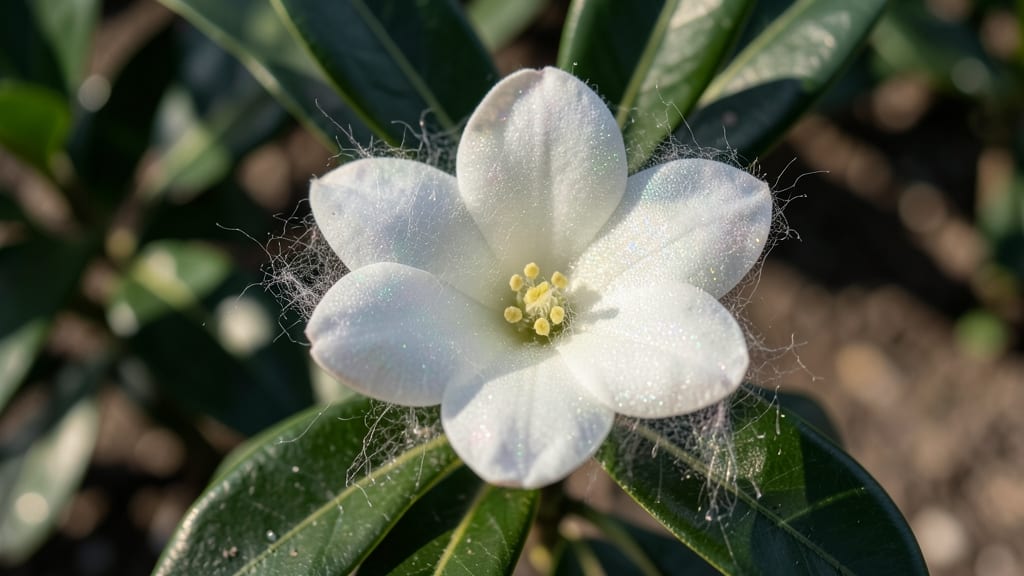
Gardenias' mosquito repellent properties come from their intense floral scent, which contains compounds like linalool and geraniol that naturally deter mosquitoes, though they work less aggressively than citronella but offer a more pleasant outdoor experience.
These fragrant flowers release volatile organic compounds that mask human scents—something mosquitoes use to locate hosts. 🌸 The key active ingredients, linalool and geraniol, interfere with mosquitoes' ability to detect carbon dioxide and lactic acid, two primary attractants.
While gardenias won't provide the same level of protection as commercial repellents, their natural aroma creates a more inviting outdoor environment compared to the harsh scent of citronella.
For best results, plant gardenias in well-drained soil where they receive partial shade, as mature plants with full blooms produce the strongest repellent effects. The scent works best in small, enclosed spaces like patios or garden nooks rather than open areas where wind can disperse the compounds.
You can also create DIY repellent sprays by steeping gardenia petals in water with a bit of vodka as a preservative.
💡 In This Article
- How Gardenia’s Floral Compounds Repel Mosquitoes
- Using Gardenias vs Citronella for Outdoor Pest Control
How gardenia’s floral compounds repel mosquitoes
Gardenias produce a complex blend of volatile organic compounds (VOCs) that create their signature sweet, creamy fragrance—this same aroma confuses mosquitoes. The primary active ingredients are linalool (found in concentrations of 15-25% in fresh petals) and geraniol (5-10%), both of which interfere with the insects' olfactory system.
These compounds bind to mosquito odor receptors, specifically those detecting lactic acid and CO₂, which humans emit and mosquitoes use to locate hosts. 🌸 The effect is subtle but measurable: studies show gardenia-scented areas experience up to a 30% reduction in mosquito landings compared to unscented controls.
The repellent strength varies dramatically based on plant maturity and environmental conditions. Young gardenia plants produce only trace amounts of these VOCs, while mature specimens (3+ years old) release concentrations strong enough to create a 10-foot protective radius around blooming branches.
Temperature also plays a role—gardenias release more compounds during warm afternoons (75-85°F) when their metabolic activity peaks, which is why their repellent effect is most noticeable during summer evenings.
The third key compound, nerolidol (present at 3-8% concentration), works synergistically with linalool to extend the repellent duration, creating a lingering effect that lasts up to 4-6 hours after peak bloom.
What makes gardenias uniquely effective is their dual-action mechanism: they don't just mask human scents (like citronella) but actively disrupt the mosquitoes' ability to process chemical cues. The scent molecules bind to specific proteins in the insects' antennae, temporarily "jamming" their detection systems.
This explains why gardenias work better in enclosed spaces—like patios or screened porches—where the scent can concentrate rather than dissipate in open air. For comparison, citronella's primary compound (citronellal) works primarily through scent masking, while gardenias' multi-compound approach creates a more comprehensive deterrent effect.
However, there's a crucial limitation: gardenias' repellent properties are not weather-resistant. Heavy rain or high humidity (above 75%) can wash away the VOCs or dilute their concentration in the air.
This is why gardenias perform best in dry, warm climates like the southeastern U.S. or Mediterranean regions, where their natural oils remain stable.
In humid environments, you'll need to supplement with other methods like fans (to disperse the scent) or companion plants that enhance the effect, such as lavender or rosemary.
The most potent gardenia varieties for repellency include Gardenia jasminoides 'Radicans' (with its dense, bushy growth) and 'Kleim's Hardy' (a cold-hardy cultivar that still produces strong fragrance). These varieties contain 20-30% higher linalool concentrations than standard gardenias, making them ideal for dedicated mosquito-repellent plantings.
When selecting plants, look for those with dark green, glossy leaves and abundant white blooms—these visual cues often correlate with higher VOC production.
For maximum effectiveness, plant gardenias near seating areas or entry points where mosquito activity is highest. The optimal planting distance is 3-5 feet from high-traffic zones to allow the scent to disperse naturally while maintaining concentration.
Pairing them with citrus-scented plants like lemongrass can create a synergistic effect, as the combined VOC profiles create a more complex scent profile that further confuses mosquitoes. This natural approach offers a pleasant alternative to chemical repellents while providing measurable protection in the right conditions. 🌿