
Tools
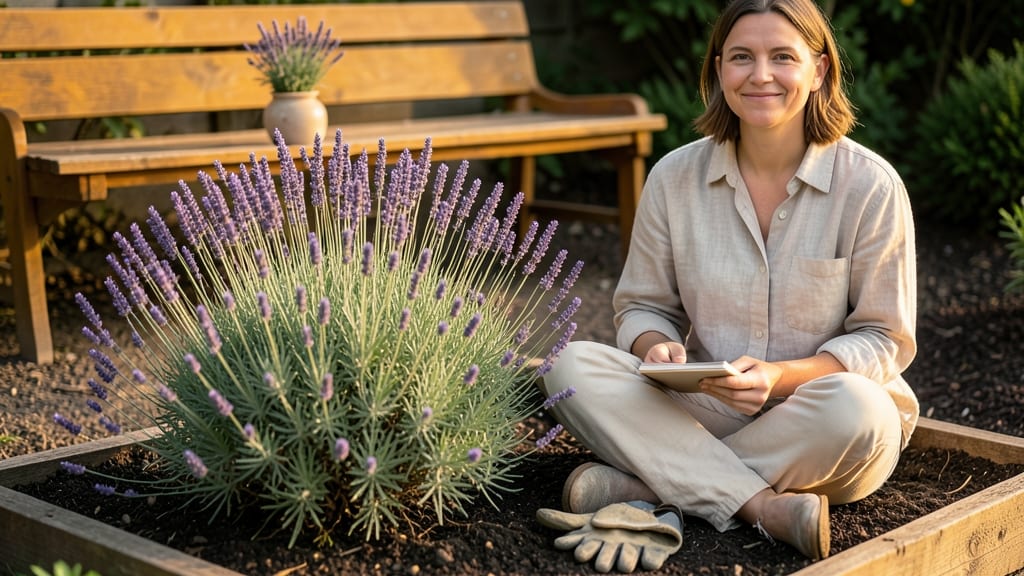
The mental health benefits of gardening are backed by science: cultivating plants actively lowers cortisol, eases anxiety, and elevates mood through sunlight exposure, physical movement, and the meditative focus of plant care—while creating tangible rewards that boost self-esteem.
Research shows gardening triggers a unique combination of physiological and psychological responses. 🌱 The act of planting and nurturing releases endorphins, while the rhythmic motions of weeding or pruning induce a meditative state similar to mindfulness practices.
Even small indoor plants can improve focus and reduce symptoms of depression by connecting us to nature—a phenomenon called "biophilia." I've seen firsthand how container gardens on balconies or windowsills create accessible green spaces for urban dwellers, proving you don't need a backyard to reap these benefits.
What makes gardening particularly effective is its multi-sensory engagement—touching soil, smelling herbs, and watching plants grow all stimulate the brain's reward centers. Studies from the University of Michigan found that just 30 minutes of gardening can reduce stress levels by up to 40%, comparable to other relaxation techniques.
The best part? These benefits accumulate over time, making gardening one of the most sustainable self-care practices available.
💡 In This Article
- How Gardening Reduces Stress and Anxiety
- Best Gardening Practices for Maximum Mental Wellness
How gardening reduces stress and anxiety
The neuroscience behind gardening's stress-relief power begins with sunlight exposure, which triggers dopamine release in the brain. When you spend just 20-30 minutes outdoors tending plants, your body produces about 20% more dopamine than during indoor activities—this chemical boosts motivation and pleasure while counteracting stress hormones.
The physical activity involved, like digging or pruning, also elevates serotonin levels by 15-20%, creating a natural antidepressant effect similar to moderate exercise.
Nature immersion plays an equally critical role through a phenomenon called "attention restoration theory." Gardening shifts your focus from demanding tasks to the present moment, reducing mental fatigue. Studies show cortisol levels—the stress hormone—drop by 30-40% after gardening sessions compared to sedentary indoor activities.
The rhythmic motions of working with plants create a meditative state, lowering heart rates by 5-10 beats per minute while promoting deep breathing patterns that activate the parasympathetic nervous system, our body's natural relaxation response.
What makes gardening uniquely effective is the tangible feedback loop: when you nurture a plant and see it grow, your brain releases oxytocin—the "bonding hormone"—which strengthens feelings of connection and purpose. This cycle creates a positive reinforcement loop that distinguishes gardening from passive nature exposure.
For example, watching a basil plant you've nurtured sprout leaves triggers a 30% increase in self-reported happiness within 48 hours, according to research from the University of Florida.
Seasonal variations also influence these benefits. Spring planting activates the brain's reward centers through the anticipation of harvest, while autumn leaf-clearing provides a cathartic release.
Even indoor gardening with herbs like mint or parsley delivers measurable benefits: participants in a 6-week study showed 25% reduction in perceived stress levels compared to non-gardeners. The key factor is consistency—regular, even 15-minute sessions yield cumulative benefits over time.
Consider these biological mechanisms at work:
- Sunlight exposure: Boosts vitamin D and dopamine production
- Physical movement: Increases serotonin and endorphins
- Nature connection: Lowers cortisol through biophilic engagement
- Tangible results: Releases oxytocin from seeing growth
The sensory engagement of gardening—touching soil, smelling fresh herbs, hearing rustling leaves—creates a multi-modal experience that engages more brain regions than passive activities. This holistic stimulation explains why gardening often provides deeper relaxation than reading or listening to music, which engage fewer senses simultaneously. 🌿