
Tools
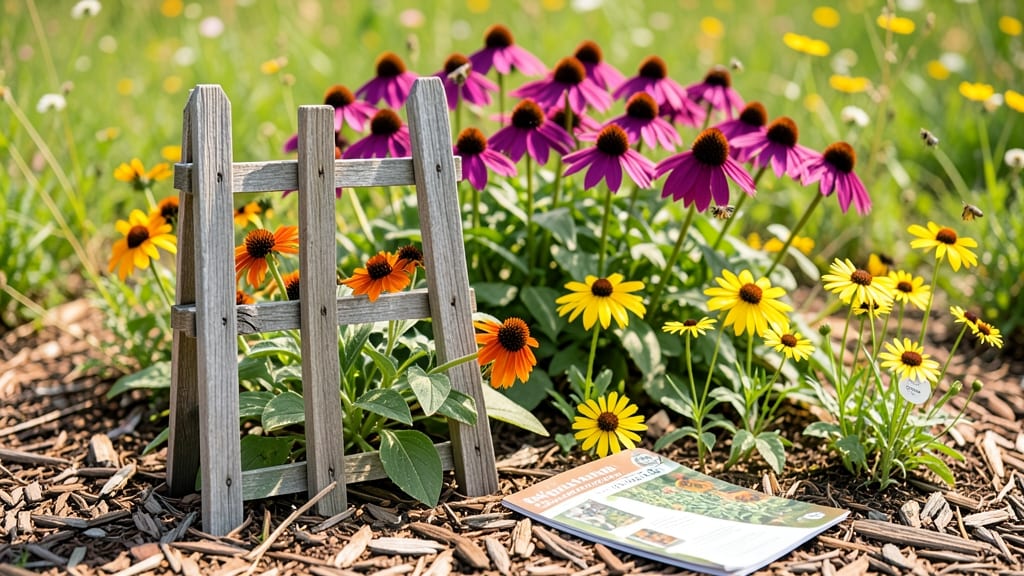
Gardening in Virginia thrives by leveraging its USDA Plant Hardiness Zones 4-8, with microclimates shaping success—focus on native perennials, drought-resistant annuals, and seasonal adjustments for humidity and heat spikes in coastal areas versus Piedmont valleys. Start with soil testing and mulching to adapt to regional variations.
Virginia's gardening success hinges on understanding its diverse growing zones, which range from Zone 4 in the mountains to Zone 8 along the coast.
These zones create unique microclimates where coastal areas experience more humidity and heat, while inland valleys have drier conditions. 🌿 Native plants like black-eyed Susans and Virginia bluebells thrive in these conditions, while drought-tolerant varieties like lavender or sedum need less water in drier regions.
The key is matching your plant choices to your specific zone and local climate patterns—soil testing and proper mulching can make all the difference in helping your garden flourish.
For example, if you're gardening in Tidewater Virginia, you'll want to prepare for higher humidity and potential fungal diseases, while Shenandoah Valley gardeners might focus on heat-tolerant plants and efficient irrigation. Understanding these regional differences helps you create a garden that's both beautiful and resilient.
💡 In This Article
- Virginia Plant Hardiness Zones: How They Shape Your Garden’s Success
- Microclimate Gardening: Adjusting for Virginia’s Coastal to Piedmont Differences
Virginia plant hardiness zones: how they shape your garden’s success
Virginia's USDA Plant Hardiness Zones 4-8 create a dramatic gradient that directly impacts what you can grow. The coastal areas like Norfolk (Zone 8a) experience average minimum winter temperatures around 10-15°F, while the Blue Ridge Mountains (Zone 4b) can drop to -25°F.
This 30°F difference means coastal gardeners can grow citrus trees, while mountain gardeners must choose hardier varieties like serviceberry shrubs. The transition occurs gradually—Zone 6a covers most of the Piedmont region, where 90% of Virginia's population lives, creating a sweet spot for diverse gardening possibilities. 🌱
The elevation plays a crucial role in these zones. For every 1,000 feet increase in elevation, temperatures drop about 3.5°F. This explains why Shenandoah Valley (Zone 6) can grow peaches successfully, while nearby mountain slopes (Zone 5) require more cold-hardy apple varieties.
Latitude also matters—northern Virginia's shorter growing seasons (about 180 days) contrast with the 240-day seasons in the Hampton Roads area. These factors create microclimates where a single county might contain three different zones, requiring careful plant selection.
Frost dates are another critical factor. Coastal areas typically experience their last spring frost around March 15, while mountain regions can see frost until May 10. This month-long difference affects planting schedules dramatically.
Native plants like Virginia sweetspire (Zone 5-9) have evolved to thrive across these variations, while non-native species often struggle. The soil composition varies too—coastal areas have sandy, acidic soils, while Piedmont regions feature clay loam with higher organic content, both requiring different amendments. 🌿
Heat tolerance thresholds further complicate plant selection. Coastal areas can experience 90°F+ temperatures for months, while mountain regions might only reach 80°F. This affects everything from vegetable choices (heat-tolerant okra vs. cooler-loving lettuce) to lawn grasses (Bermuda grass for coasts vs. tall fescue for mountains).
The humidity levels also shift—coastal areas average 70% humidity, while inland regions drop to 50% or lower, creating different disease pressures and watering needs.
Understanding these zone-specific factors helps explain why some plants thrive in one area but fail in another. For example, crepe myrtles (Zone 7-9) flourish in coastal Virginia but may struggle in Zone 6 mountain gardens.
The key is selecting plants that match not just your zone, but also your specific microclimate conditions—whether that's a sheltered valley, exposed hillside, or urban heat island. Native species often provide the best adaptation, as they've evolved alongside these specific conditions over centuries. 🌳
Practical application begins with soil testing—Virginia's soil pH ranges from 4.5 (acidic) in coastal areas to 6.5 (neutral) in Piedmont regions. Adjusting pH through lime or sulfur applications can make the difference between thriving plants and struggling ones.
Mulching with 3-4 inches of organic material helps regulate soil temperature and moisture, particularly important given Virginia's 30-50 inches of annual rainfall that varies dramatically by region. These foundational practices create the optimal growing conditions for whatever plants you choose to grow. 💚