
Planting
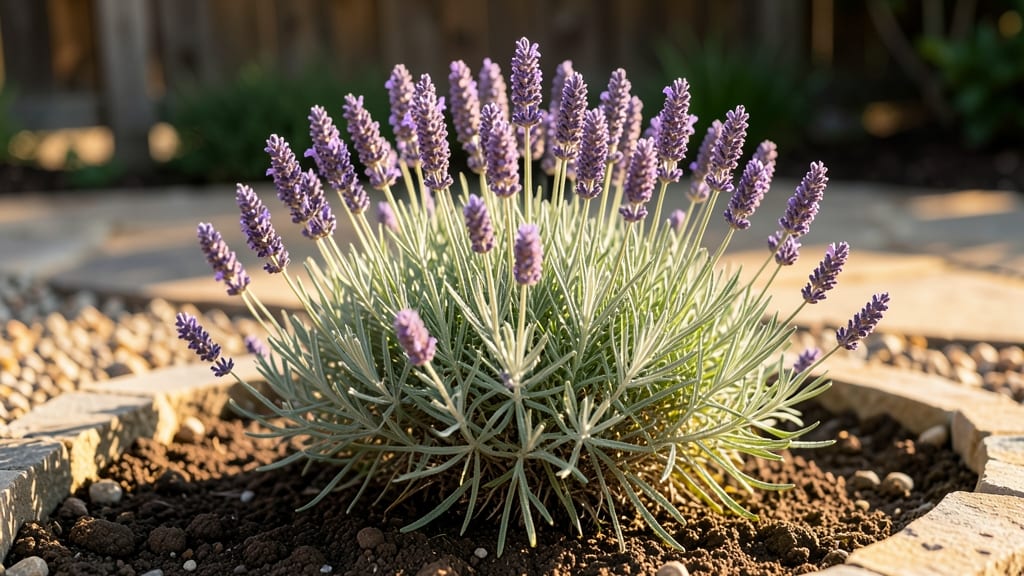
Gardening in Zone 8 thrives with mild winters and hot summers, creating perfect conditions for vegetables like tomatoes, perennials such as lavender, and ornamental flowers like peonies. Time your planting around frost dates (late October to early March) and choose drought-resistant varieties for the best results.
Zone 8's unique climate—with average winter lows between 10°F and 20°F—allows for year-round gardening opportunities. 🌿 The extended growing season means you can grow warm-season crops like okra and sweet potatoes well into autumn, while cool-season greens thrive in winter.
Many gardeners in this zone also take advantage of the frost-free periods to experiment with tropical plants that wouldn't survive harsher winters elsewhere.
What truly sets Zone 8 apart is its ability to support both Mediterranean and subtropical plants simultaneously. For example, rosemary and olives flourish alongside hibiscus and bougainvillea, creating stunning, diverse landscapes.
The key to success lies in understanding your specific microclimate—some areas may experience occasional light frosts, while others remain frost-free year-round, requiring careful plant selection and seasonal adjustments.
💡 In This Article
- Understanding Zone 8 Climate and Its Impact on Plant Growth
- Top Zone 8 Plants and Their Ideal Planting Times
Understanding Zone 8 climate and its impact on plant growth
Zone 8's climate is defined by its 10°F to 20°F average winter lows, creating a unique balance between warmth and cold that supports an extended growing season. This range allows plants to thrive without the extreme cold snaps of northern zones or the relentless heat of tropical regions.
For example, the 120-day frost-free period in most Zone 8 areas means you can grow warm-season crops like tomatoes and peppers from early spring through late fall, while cool-season vegetables like kale and spinach flourish in winter.
The humidity in Zone 8 varies dramatically—coastal areas may experience 60-70% humidity year-round, while inland regions can drop to 30-40% in summer. This variation affects plant selection: succulents and cacti thrive in drier inland zones, while ferns and hydrangeas prefer the moisture-rich coastal climates.
The hot summers (85-100°F) also demand drought-tolerant plants, as water evaporation rates can exceed 0.3 inches per day during peak heat, stressing less-adapted species.
One of the most critical factors in Zone 8 gardening is the occasional frost risk, even in mild winters. While the average last frost date is around March 15, unexpected cold snaps can push it to April 1 in some years.
This unpredictability explains why many gardeners in Zone 8 use frost cloths or row covers as a precaution for tender plants like basil and squash. The same goes for early fall planting—some areas may see light frosts as early as November 15, so timing is everything.
Soil temperature plays a hidden but crucial role in Zone 8 growth cycles. For warm-season crops, soil must reach 60°F before planting; cool-season crops can tolerate 45-50°F soils.
A soil thermometer is your best friend here—planting too early in cold soil can stunt root development, while waiting too long may shorten the growing season. The good news? Zone 8's mild winters mean you can often plant cool-season crops in October or November for harvests before the first frost.
Microclimates within Zone 8 add another layer of complexity. A south-facing slope might receive 10% more sunlight than a north-facing yard, allowing for earlier planting and longer harvest windows. Similarly, urban areas can experience 5-10°F warmer temperatures than rural zones due to the "urban heat island" effect.
This is why local weather stations and neighborhood gardening groups become invaluable resources—what works in one part of Zone 8 may fail just a few miles away.
Finally, Zone 8's climate supports perennial plants that thrive with minimal intervention. Lavender, for instance, requires full sun and well-draining soil but needs little water once established, making it perfect for the zone's dry summers.
Meanwhile, peonies—another Zone 8 favorite—bloom reliably year after year with 6-8 hours of sunlight and tolerate both heat and light frosts. Understanding these plant-specific needs helps you create low-maintenance gardens that flourish with minimal effort.
What most gardeners don't realize is how seasonal transitions in Zone 8 create opportunities for year-round harvests. With careful planning, you can enjoy fresh lettuce in winter, tomatoes in summer, and pumpkins in fall—all from the same garden space.
The secret lies in succession planting and seasonal crop rotation, which maximize your garden's potential without overworking the soil. 🌱