
Vegetables
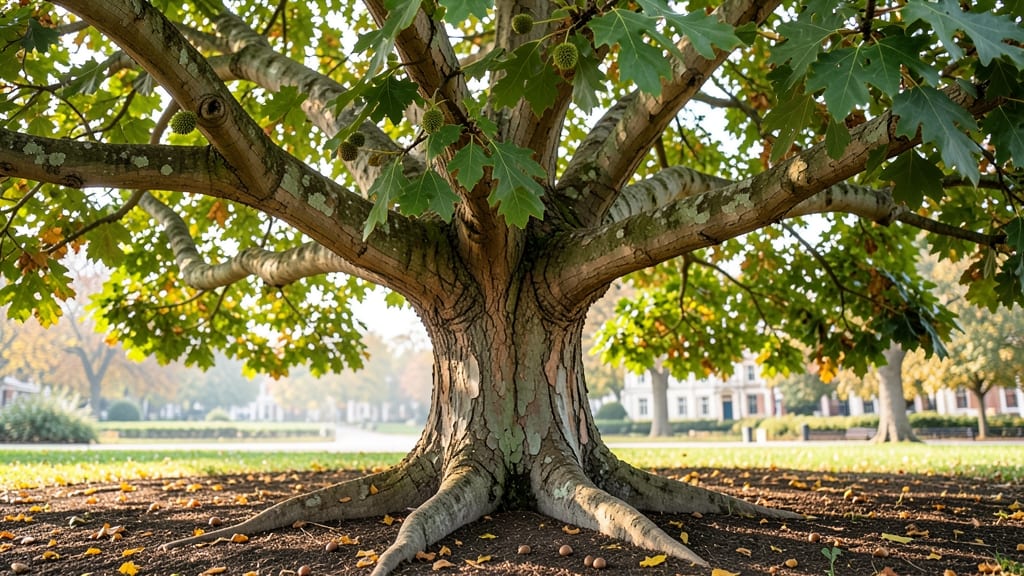
London England's gardens offer breathtaking green escapes blending centuries-old history with vibrant botanical wonders, including Kew Gardens' legendary glasshouses, Hampstead Heath's wildflower meadows, and St. James's Park's iconic rose displays. Many provide complimentary admission and showcase seasonal beauty year-round.
London's green spaces are more than just pretty landscapes—they're living museums showcasing rare plant species and innovative horticulture. 🌿 The city's gardens range from grand estates like Kew's 300-acre site (home to 50,000 plant species) to intimate squares where you can spot everything from ancient oak trees to delicate orchids.
What makes them special is how they balance nature with urban life, offering everything from peaceful picnics to educational exhibits about conservation efforts.
These public gardens also serve as cultural hubs, hosting everything from classical concerts to seasonal festivals. The Royal Parks alone receive over 30 million visitors annually, making them some of the most accessible green spaces in the world.
Whether you're chasing cherry blossoms in spring or autumn foliage, London's gardens provide free, open-air experiences that rival any botanical destination.
💡 In This Article
- London’s Most Historic Botanical Gardens and Their Plant Collections
- How to Discover London’s Hidden Green Spaces and Seasonal Events
London’s most historic botanical gardens and their plant collections
London’s botanical gardens aren’t just pretty landscapes—they’re living archives of plant science and conservation. Take Kew Gardens, for instance: its 300-acre site holds 50,000 plant species, including the world’s largest collection of living plants, and was designated a UNESCO World Heritage site in 2003 for its global significance.
The Temperate House, a Victorian glasshouse, shelters 15,000 plants from around the globe, creating a microclimate where tropical and temperate species thrive side by side. 🌿 This isn’t just horticulture—it’s a scientific marvel, with researchers here discovering new species and studying plant genetics that impact global food security.
The magic of these gardens lies in their specialized collections. Chelsea Physic Garden, founded in 1673, focuses on medicinal plants, showcasing how herbs like foxglove (used for heart medication) and opium poppies have shaped modern medicine.
Meanwhile, Kew’s Millennium Seed Bank preserves 25% of the world’s plant diversity, with seeds stored in -20°C freezers to ensure biodiversity for future generations.
Even the Royal Botanic Garden Edinburgh (a London-adjacent partner) holds 3.5 million preserved plant specimens, making these gardens more than just tourist attractions—they’re critical to global ecology.
What makes these collections so fascinating is their hands-on science. At Kew’s Glasshouses, you’ll see the giant water lily (Victoria amazonica), whose leaves can support a child’s weight, or the Venus flytrap, a carnivorous plant that snaps shut when triggered by insects.
The Tropical Nursery recreates rainforest conditions with 80% humidity and 28°C temperatures, allowing visitors to walk among orchids and bromeliads that would otherwise perish in London’s climate. These aren’t just displays—they’re active research environments where scientists study plant adaptations to climate change.
Seasonal transformations add another layer of wonder. In spring, Kew’s 10,000 cherry blossoms create a pink canopy, while autumn brings fiery foliage displays in the Trellis Garden.
The Arabian Nights display at Kew even recreates a Middle Eastern oasis with date palms and fragrant jasmine. 🌸 These seasonal shifts aren’t just beautiful—they’re carefully curated by horticulturists who study how plants respond to London’s unpredictable weather, from frost-resistant species in winter to heat-tolerant varieties in summer.
For visitors, the experience goes beyond aesthetics. Many gardens offer free guided tours that explain conservation efforts, like Kew’s work with endangered orchids or Chelsea’s medicinal plant research. The Royal Botanic Gardens, Kew even has a children’s garden designed to teach young visitors about plant biology through interactive exhibits.
Whether you’re admiring a 500-year-old oak tree in St. James’s Park or learning about pollinator-friendly plants at the Barbican Conservatory, these gardens make plant science accessible and engaging.
The real story here is how these gardens bridge history and science. Kew’s original 1759 foundation was tied to British colonial plant collecting, while today it leads global conservation initiatives. This dual role—preserving the past while innovating for the future—is what makes London’s botanical gardens uniquely special. 🌱