
Tools
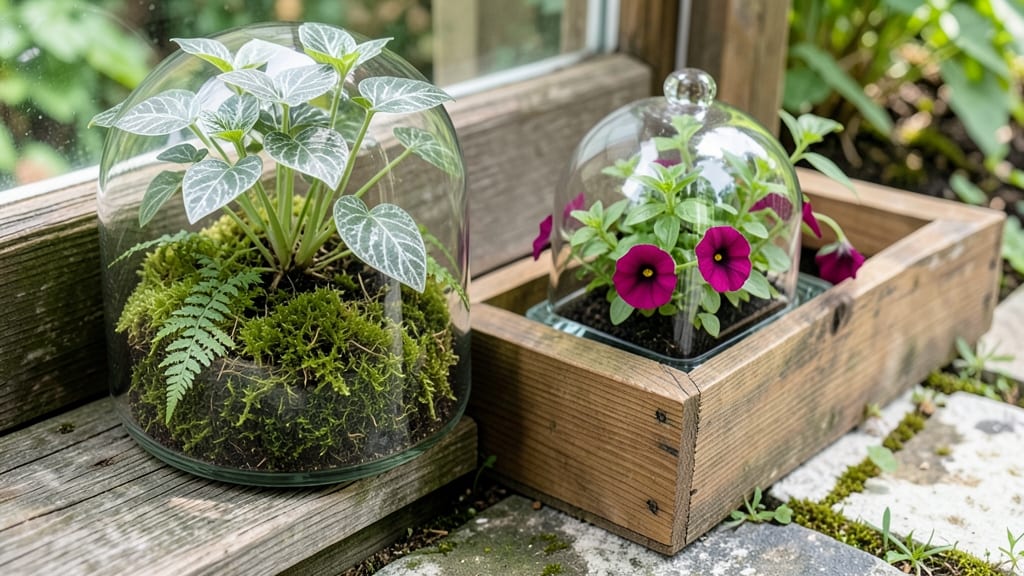
Incorporating glass in garden design can create stunning visuals and functional elements, but it requires careful consideration to avoid hazards like sharp fragments endangering pets or wildlife. Certain glass types—especially colored or chemically treated varieties—may also release harmful substances that damage plant roots or alter soil chemistry. For safe use, prioritize shatter-resistant or recycled glass and secure installations properly.
Glass in garden spaces offers creative possibilities, from decorative accents to functional features like solar-powered lights or terrariums.
However, the real challenge lies in selecting the right materials—borosilicate glass, for example, resists chemical leaching far better than standard soda-lime glass, making it safer for plant contact. 🌿 Even with safe options, proper installation matters: securing glass elements with heavy bases or protective barriers prevents accidents while maintaining that elegant aesthetic.
The key is balancing beauty with practicality, ensuring your garden remains both stylish and safe for all its inhabitants.
For projects like wind chimes or garden art, recycled glass bottles or tempered glass panels provide durability without the toxicity risks. Always test new glass installations in less visible areas first—some plants, like acid-loving azaleas, may react poorly to even small pH changes from glass fragments.
When in doubt, consult a local nursery about plant-specific compatibility before committing to a glass-centric design.
💡 In This Article
- How Glass Composition Affects Plant and Soil Health
- Creative and Safe Garden Glass Projects for Decor
How glass composition affects plant and soil health
Glass composition determines whether it's safe for garden use, primarily through chemical stability and structural integrity. Standard soda-lime glass—common in bottles and jars—contains calcium and sodium oxides that can leach into soil over time, especially when broken.
These minerals alter soil pH, often making it more alkaline, which harms acid-loving plants like blueberries or hydrangeas. 🌱 The real danger lies in additives: colored glass may contain cobalt (blue) or chromium (green), which can accumulate in plant tissues and become toxic when ingested by wildlife or pets.
Borosilicate glass, like that used in laboratory equipment, is far safer due to its boron oxide content, which makes it more resistant to chemical reactions. This type won't leach harmful substances even when broken, making it ideal for terrariums or glass planters.
Tempered glass, while stronger, can still shatter into sharp fragments that pose physical risks. UV exposure further degrades glass over time, causing micro-cracks that release more particles—this is why outdoor glass installations should use UV-resistant coatings or be placed in shaded areas.
Soil interaction is where glass becomes particularly problematic. Even small fragments can create a physical barrier that disrupts root growth, while chemical leaching may inhibit nutrient uptake.
For example, lead crystal glass (containing up to 30% lead oxide) should never be used near edible plants, as lead contamination can persist in soil for years. 🌿 The safest options are recycled glass with no additives or borosilicate glass certified for food contact, though always verify with manufacturer specs.
Plant reactions vary by species and glass type. Succulents and cacti, which prefer well-draining, alkaline soils, might tolerate soda-lime glass fragments better than acid-loving plants. However, no plant thrives with glass debris—roots simply can't penetrate the sharp edges.
For container gardening, line glass planters with landscape fabric to prevent soil contact with glass surfaces, reducing both chemical and physical risks.
Temperature fluctuations accelerate glass degradation. Freeze-thaw cycles cause soda-lime glass to expand and contract, creating stress points that lead to cracks. This is why glass garden ornaments in northern climates should be made from tempered or laminated glass.
Even then, monitor installations seasonally—replacing broken pieces promptly prevents soil contamination and protects small wildlife that might nest in garden beds.
For maximum safety, conduct a simple leaching test: place glass fragments in distilled water for 48 hours, then check the water's pH. A significant change (above 7.5) indicates unsafe materials.
Always prioritize glass labeled "food-grade" or "borosilicate" for any project involving plant contact, and keep sharp edges inaccessible to curious pets or wildlife.