
Companion Plants
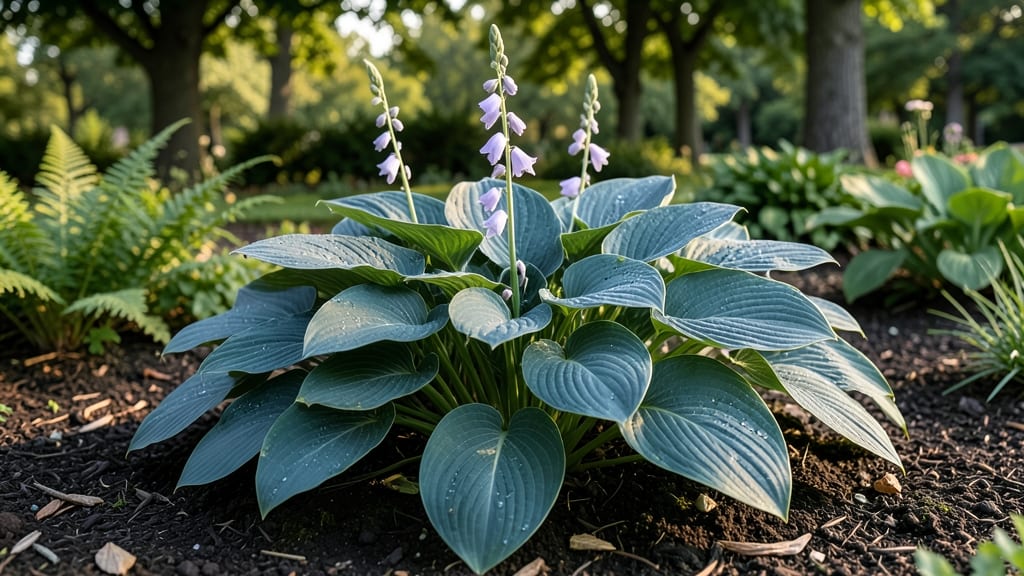
For great garden plants in Grand Haven, MI, prioritize cold-hardy species like coneflowers (drought-tolerant perennials), Russian sage (drought-loving and pollinator-friendly), and evergreen shrubs such as inkberry holly for year-round structure. Native options like wild bergamot and butterfly weed excel in sandy soils and harsh winters while supporting local ecosystems.
Grand Haven's Zone 6 climate creates unique challenges—freezing winters, sandy soils, and lake breezes—but also opens doors for resilient plants. 🌿 The key is choosing species that handle these conditions naturally, like black-eyed Susans which thrive in poor soil and catmint that repels deer while attracting butterflies.
Evergreens like boxwood add structure even when other plants sleep through winter. I've seen firsthand how these plants not only survive but flourish with minimal care once established.
The sandy soil here actually works to your advantage for plants adapted to well-draining conditions. Many native perennials like bee balm and purple coneflower send deep roots to access moisture while tolerating dry spells.
For coastal areas where salt spray might be an issue, sea thrift and shrubby cinquefoil are excellent choices that handle both salt and cold. The secret to success is matching plants to microclimates—south-facing beds get more sun, while north sides benefit from shade-tolerant varieties like heuchera.
💡 In This Article
- Top Cold-Hardy Plants for Grand Haven’s Zone 6 Climate
- Designing a Low-Maintenance Grand Haven Garden Layout
Top cold-hardy plants for Grand Haven’s zone 6 climate
Grand Haven's Zone 6 climate means winter temperatures can plunge to -10°F while summers bring 80-90°F heat and occasional drought.
The plants that thrive here share key survival traits: deep root systems to access moisture in sandy soil, waxy leaves to retain water, and chemical defenses against pests. Coneflowers (Echinacea), for example, develop roots up to 3 feet deep to survive dry spells, while their daisy-like blooms provide nectar for bees from July through October. 🌸
The sandy loam soil in this region drains quickly, which actually benefits plants adapted to low-nutrient conditions. Russian sage (Perovskia atriplicifolia) thrives here because its silvery foliage reflects sunlight, reducing water loss, while its 1-3 foot tall stems create vertical interest that catches lake breezes for natural cooling.
For evergreen structure, inkberry holly (Ilex glabra) grows slowly but reliably in partial shade, its dark green leaves providing contrast against winter snow. These plants also handle the salt spray near Lake Michigan better than many others.
Native species like wild bergamot (Monarda fistulosa) and butterfly weed (Asclepias tuberosa) offer another advantage—they've evolved alongside local wildlife. Wild bergamot's lavender flowers attract hummingbirds, while butterfly weed's orange blooms host monarch caterpillars.
Both handle poor soil and drought once established, making them perfect for low-maintenance gardens. The key is planting them in full sun where they'll spread naturally over time.
For gardeners dealing with deer pressure, catmint (Nepeta) and yarrow (Achillea) are excellent choices. Their strong aromas deter deer while providing season-long blooms that attract pollinators. Yarrow's fern-like foliage creates texture, while catmint's blue-purple flowers bloom from spring to fall.
Both handle 30°F nights without protection, making them reliable performers in Grand Haven's climate.
Don't overlook the understory plants that provide winter interest. Wintergreen (Gaultheria procumbens) creates a low, evergreen carpet with red berries that persist through winter, while witch hazel (Hamamelis) produces fragrant yellow flowers in late winter when little else is blooming.
These plants prove that Grand Haven gardens can offer beauty year-round with the right selections.
What most gardeners don't realize is how plant layering can maximize space and reduce maintenance. Place tall perennials like Russian sage (5-6 feet) at the back, mid-height shrubs like spirea (3-4 feet) in the middle, and ground covers like creeping thyme (3-6 inches) in front.
This creates natural windbreaks while making the most of Grand Haven's limited growing season. 🌿