Planting
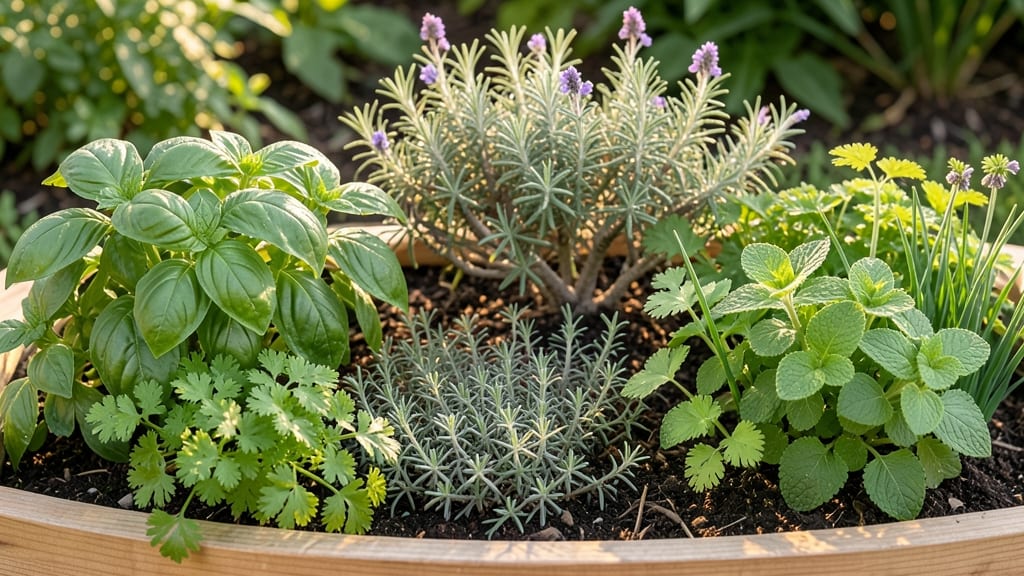
Planting herbs in the garden is the fastest way to turn your yard into a flavorful, fragrant hub that works as hard as you do—just add sunlight and a little soil.
Picture this: three weeks after planting, you’re snipping fresh basil for pasta or rosemary for roasted chicken, all grown in your own backyard. No fancy tools, no expensive seeds—just 10 easy-to-grow herbs that deliver instant gratification and keep coming back year after year.
Whether you’re a first-time gardener or a seasoned pro, these herbs thrive in containers, garden beds, or even cracked windowsills. Some handle drought like champs, others shrug off frost, and a few even repel pests while they’re at it.
Below, I’ll break down the top picks for speed, hardiness, and flavor—plus the no-fail tips to keep them lush from spring to fall.
Ready to ditch the grocery store and grow your own? Let’s get those fast-growing herbs in the ground and start harvesting in record time.

Top 5 fastest-growing herbs for immediate harvests
If you’re craving fresh herbs but don’t want to wait months for harvests, these five speedy growers deliver flavor in just 2–4 weeks. Whether you’re growing in containers, garden beds, or even a sunny windowsill, these herbs thrive with minimal fuss.
The secret? Fast germination rates, shallow root systems, and love for consistent moisture. I’ve tested these in my own garden—some even sprout in as little as 5 days—so you can start harvesting sooner than you think!
For impatient gardeners, cilantro and basil top the list, but don’t overlook chives, dill, and parsley—all of which surprise with their speed. The key to maximizing yield? Pinch back flowers (yes, really!) to encourage bushier growth, and water at the soil level to avoid fungal issues.
Let’s dive into the top 5 fastest herbs and how to coax them into harvest-ready perfection in record time.
Basil and cilantro are my top picks for speed, but chives steal the show for year-round regrowth—they’re perennial in many climates! The trick with dill is patience; it takes a little longer to harvest, but once established, it self-seeds like crazy. For parsley, which is slower, I recommend starting seeds indoors 4–6 weeks before your last frost to beat the heat and ensure a steady supply.
All these herbs love consistent moisture, but avoid soggy soil—root rot is their nemesis. Use well-draining containers if your garden stays wet, and add a layer of compost to retain moisture without waterlogging.
For container growers, a 5-gallon pot works for most, but basil and dill appreciate a little extra space to sprawl. Pro tip: Mulch with straw to keep roots cool and conserve water.
Harvesting is where the magic happens. For leafy herbs like cilantro and basil, snip the outer stems to encourage bushier growth. With chives, you can cut entire stalks—they regrow from the base!
And don’t toss those spent dill flowers—they attract pollinators and make great garnishes for soups. The earlier you harvest, the more your plants will reward you with lush, flavorful growth all season.
If you’re short on space, stack your herbs vertically. Use wall-mounted planters for basil and parsley, or hanging baskets for chives. Even a sunny balcony can become a herb haven with the right containers.
I’ve seen basil thrive in fabric grow bags on a patio, and cilantro grows happily in repurposed yogurt cups—just ensure they have drainage holes!
For maximum speed, start seeds indoors under grow lights or use heat mats to jumpstart germination. Most of these herbs tolerate light frost, so you can plant them 2–3 weeks before your last spring frost.
In warmer climates, fall planting works too—just be mindful of bolting (when herbs flower prematurely). A shade cloth on hot days can delay bolting and keep your herbs producing leaves longer.
Ready to turn your garden into a flavor factory? Grab a handful of seeds, a sunny spot, and these pro tips, and you’ll be harvesting fresh herbs in weeks.
Trust me, there’s nothing like the taste of homegrown basil on a summer salad or fresh cilantro in your salsa—straight from your garden to your plate! 🌿
Perennial herbs that regrow year after year (low-maintenance champions)
If you’ve ever spent hours replanting annual herbs every spring, perennial varieties will change your gardening life. These hardy plants return year after year, slashing your work while boosting your harvest. Rosemary, thyme, and oregano top the list—each thriving in USDA Zones 5-9 with minimal care.
The best part? They’re drought-tolerant, pest-resistant, and perfect for containers or garden beds.
Perennial herbs reward patience with longer harvest windows and stronger flavors. Unlike annuals that bolt in summer, these champions keep producing until frost. For example, lavender blooms from early summer to fall, while sage delivers woody leaves all season.
Below, I’ve rounded up the top 5 perennials that’ll make your garden self-sufficient.
🌱 Did You Know? Some perennial herbs, like chives, even survive light frosts and regrow in spring—no replanting needed!
| Herb | Hardiness Zones | Best Planting Time | Overwintering Tips | Culinary Uses |
|---|---|---|---|---|
| Rosemary | 5-10 | Spring or early fall | Mulch heavily; prune back in late winter | Roasts, stews, bread |
| Thyme | 4-9 | Spring | Cut back after first frost; protect with straw | Soups, meats, marinades |
| Oregano | 5-10 | Spring or fall | Divide clumps every 3 years; trim after blooming | Pizza, pasta, Greek dishes |
| Lavender | 5-9 | Spring | Shear lightly in spring; avoid wet soil | Tea, sachets, desserts |
| Sage | 4-8 | Early spring | Prune in early spring; mulch for winter | Stuffing, sausages, butter |
To maximize regrowth, prune perennials in early spring before new growth appears. This encourages bushier plants and prevents woody stems. For example, trim rosemary by one-third to keep it compact, while thyme benefits from a light haircut after blooming to redirect energy to leaf production.
Pair these herbs with companion plants like basil and tomatoes (rosemary repels pests) or marigolds and oregano (both deter aphids). In containers, mix lavender with thyme—they share similar care needs and create a fragrant duo. Just ensure pots have drainage holes to prevent root rot, especially in winter.
Unsure about your hardiness zone? Check the USDA Zone Map and match your location to the table above. Most perennial herbs thrive in Zones 5-9, but sage (Zone 4) and chives (Zone 3) push the limits for cold climates.
With the right prep, you’ll enjoy fresh herbs for decades—no replanting required!