How To
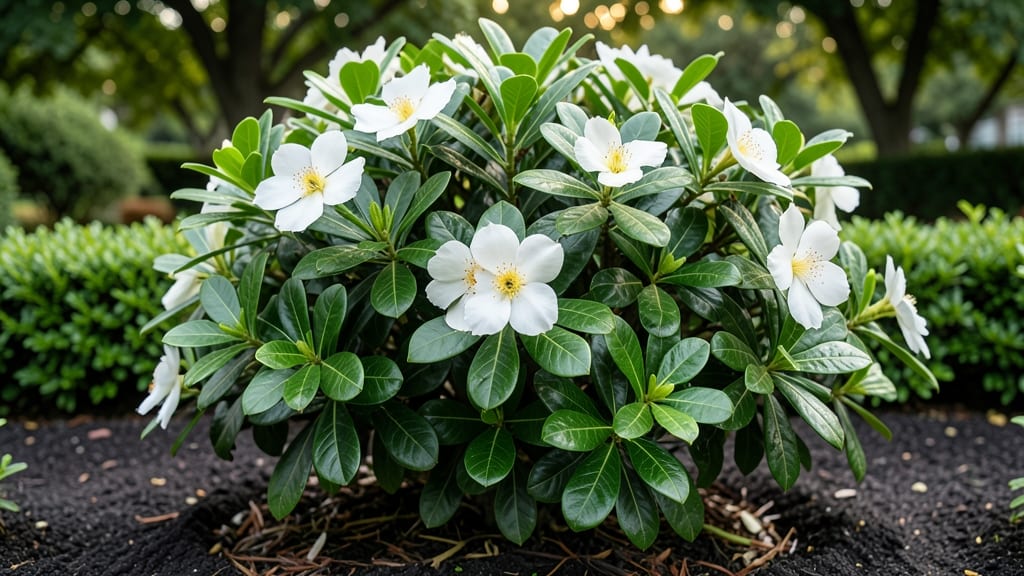
Gardenia bushes grow anywhere from 3 to 6 feet tall at maturity, with spreads that can nearly match their height—so knowing their size is the first step to placing them right in your garden.
Picture this: a 6-foot-tall gardenia 🌸 dominating your patio, its glossy leaves and intoxicating blooms spilling over the edges, or a compact 3-foot variety tucked neatly into a corner planter.
The difference between these two isn’t just aesthetics—it’s about space planning, sunlight access, and even how much pruning you’ll need to keep them in check.
Most gardenias, like the classic Gardenia jasminoides, lean toward the taller end of the spectrum, but dwarf varieties can stay under 4 feet if given the right care.
The key factors? Soil acidity, sunlight exposure, and pruning habits—all of which we’ll break down so you can pick the perfect size for your space.
By the end, you’ll know exactly how much room to leave between plants, when to prune for control, and which varieties will fit snugly in containers or stretch toward the sky in your backyard.
Gardenia bush size by variety: height and spread guide
Choosing the right gardenia variety depends entirely on your space—whether you have a cozy balcony or a sprawling backyard. Gardenias typically grow as evergreen shrubs, but their mature size can vary dramatically.
Some stay compact enough for containers, while others become tall, statement-making shrubs that need room to breathe. The key is matching the variety to your layout and growth goals.
For example, the classic Gardenia jasminoides often tops out at 3–6 feet tall with a spread of 3–5 feet, making it perfect for hedges or focal points.
But if you’re working with limited space, dwarf varieties like 'Radicans' or 'Kleim’s Hardy' can stay under 2–3 feet tall while still delivering those iconic fragrant blooms. Let’s break down the specifics so you can pick the perfect fit.
| Variety | Mature Height | Mature Spread | Growth Habit | Best For |
|---|---|---|---|---|
| 'Kleim’s Hardy' | 3–5 ft | 3–4 ft | Upright, bushy | Cold-hardy zones, hedges |
| 'Radicans' | 2–3 ft | 2–3 ft | Compact, rounded | Containers, small gardens |
| 'Fortuniana' | 6–8 ft | 5–7 ft | Tall, spreading | Large gardens, privacy screens |
| 'Veitchii' | 4–6 ft | 4–5 ft | Bushy, multi-stemmed | Borders, mixed shrub beds |
| 'Mystery' | 3–4 ft | 3–4 ft | Dense, rounded | Foundation plantings |
The 'Kleim’s Hardy' gardenia is a standout for gardeners in cooler climates, as it tolerates temperatures down to USDA Zone 6 while maintaining a neat, upright form. Its 3–5 foot height makes it ideal for creating a fragrant hedge or lining a pathway.
Pair it with 'Mystery', which has a similar spread but slightly shorter stature, for a cohesive look.
If you’re growing gardenias in containers or small spaces, 'Radicans' is your best bet. This variety stays under 3 feet tall and wide, making it perfect for balcony gardens or patio pots.
Just ensure the container is at least 12–15 inches deep to accommodate its root system and provide good drainage. A terracotta pot with holes works well, and don’t forget to use a lightweight potting mix to prevent root rot.
On the opposite end of the spectrum, 'Fortuniana' is a giant among gardenias, reaching 6–8 feet tall with an equally wide spread. This variety thrives as a privacy screen or backyard focal point but requires ample space to avoid overcrowding nearby plants.
Its large, glossy leaves and heavy blooms make it a showstopper, but be prepared for regular pruning to manage its size.
For a balanced, medium-sized option, 'Veitchii' is a fantastic choice. It typically grows 4–6 feet tall with a wide, bushy habit, making it versatile for border plantings or mixed shrub beds.
This variety is also known for its prolific blooming, producing clusters of creamy-white flowers that perfume the air. If you’re aiming for a low-maintenance gardenia, this is a great pick.
When planning your garden layout, always account for the mature spread of your gardenia bushes. For example, planting 'Fortuniana' too close to a walkway could lead to overgrowth blocking paths or shading out other plants.
Aim for at least 3–5 feet of space between gardenia bushes to allow for airflow and prevent disease. In smaller gardens, consider pruning regularly to control spread and encourage bushier growth.
One final tip: If you’re growing gardenias in containers or urban settings, choose dwarf varieties like 'Radicans' or 'Mystery'. These stay compact while still delivering those signature gardenia blooms.
Just remember that even dwarf varieties need regular pruning to maintain their shape and encourage more flowers. A light trim after each blooming cycle keeps them looking their best.
Now that you know the size ranges, you can confidently select the perfect gardenia for your space—whether it’s a small patio pot or a back
How fast do gardenias grow? Timeline to mature size
Understanding how quickly gardenias grow helps you plan for their mature size, which typically ranges from 3 to 6 feet tall and just as wide.
Most gardenias reach their full height within 3 to 5 years, but their growth rate depends on several factors, including sunlight, soil quality, and pruning habits.
In my experience, gardenias planted in well-draining, acidic soil with partial shade grow faster and reach their mature size more quickly than those struggling in harsh conditions.
If you’re growing gardenias in containers, their growth will be slower due to root restrictions, but with proper care, they can still reach 3 to 4 feet tall in 3 to 4 years.
The key is to repot them every 2 to 3 years to give their roots room to expand. For in-ground plantings, gardenias can grow up to 6 feet tall if given ideal conditions, but this takes patience—most of their growth happens in the first few years.
Here’s what to expect year by year in terms of growth, along with tips to control their size or encourage fuller blooms:
To control the size of your gardenias, especially if you’re working with limited space, focus on pruning in late winter or early spring before new growth begins. Cut back overgrown branches by 1/3 of their length to encourage bushier, more compact growth.
For dwarf varieties, pruning is even more critical—without it, they can outgrow their intended size quickly.
If you’re aiming for fuller blooms in larger varieties, avoid heavy pruning during the blooming season. Instead, prune just after flowering to allow the plant to redirect energy into next year’s buds.
Always use sterilized pruning shears to prevent disease, and mulch around the base of the plant to retain moisture and encourage healthy root growth.
Remember, gardenias thrive in acidic soil (pH 5.0–6.5) and partial shade, so if your plant isn’t growing as expected, test your soil and adjust sunlight exposure. With the right care, your gardenias will reward you with fragrant blooms and a lush, full appearance year after year. 🌸