How To
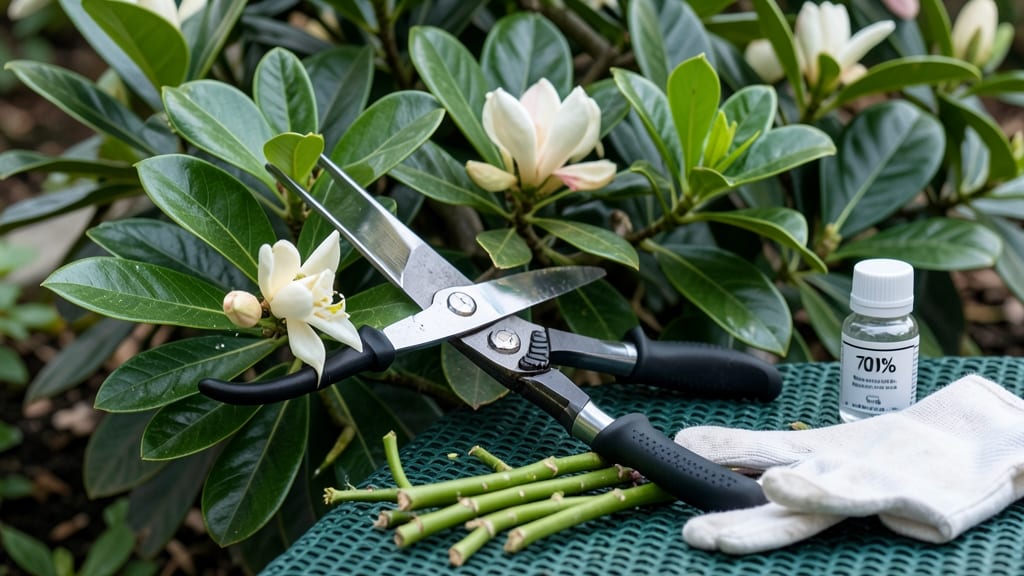
To trim gardenia bushes at the right time means waiting until after they finish blooming—usually late summer or early fall—so you don’t accidentally cut off next year’s flowers.
Your gardenia bushes may look stunning now, but timing their prune just right ensures they’ll burst back with even more fragrant blooms next season—while avoiding the deadly mistake of cutting too early or too late.
Most gardeners wait until after the last flower drops (around September in USDA Zone 6a), but if you’re in a warmer climate, you might have a few extra weeks. The key is to prune before new growth starts in spring, or you risk stunting next year’s blooms.
Below, I’ll walk you through the exact steps—when to cut, how much to trim, and what to do with those clippings—to keep your 🌸 gardenia thriving for years.
Best time to prune gardenia bushes for maximum blooms
Pruning gardenia bushes at the wrong time can mean fewer blooms next year—or even no flowers at all. The best time to prune is late summer to early fall, right after your gardenia finishes blooming.
This timing lets the plant set next year’s flower buds before winter dormancy kicks in.
Most gardeners in USDA Zone 6a (like much of the Mid-Atlantic) should prune between mid-September and early October. But if you live in a warmer climate, like Zone 9-10, you might have until November—just before cooler weather slows growth.
The goal? Encourage new growth that will bloom next spring.
Here’s the science behind it: Gardenias bloom on new wood (current year’s growth), so pruning too early removes potential flower sites. Waiting until after blooming ensures you’re only cutting back spent flowers and leggy stems, not next year’s buds.
If you’re in a cooler zone, like Zone 5 or 6, prune gardenias just after the first frost in late fall—around October 15. This gives the plant time to harden off before winter.
In warmer zones, you can wait until December, but avoid cutting into dormant season (January-February), as the plant needs rest.
One common mistake is pruning in spring, which removes next year’s flower buds before they form. Spring pruning is only for shaping established bushes—never for heavy cuts. Save major trims for late summer/fall to keep those fragrant blooms coming.
Pro tip: If your gardenia is overgrown but you missed the fall window, you can do a light prune in early spring (March) to shape it up, but avoid cutting more than 20% of the foliage—or you’ll risk stunted blooms that season.
After pruning, give your gardenia a light fertilizer (like 10-10-10) to boost root growth before winter. This helps the plant recover faster and store energy for next year’s blooms. Water deeply once a week for the first month post-prune to reduce stress.
Remember: The earlier you prune after blooming, the more time the plant has to recover before winter. But don’t rush—wait until all flowers have dropped and new growth has slowed (usually by late September in most regions).
With the right timing, your gardenia will reward you with even more fragrant blooms next spring—and fewer leggy, overgrown stems to deal with. Happy pruning! 🌸
Step-by-step pruning guide: how to trim without killing your gardenia
Pruning your gardenia bushes correctly is about more than just snipping branches—it’s about encouraging healthy growth and maximizing next year’s blooms. Start by removing dead or diseased branches first, as these can spread problems to healthy parts of the plant.
Next, look for crossing or rubbing branches that compete for sunlight and nutrients. These should be trimmed back to the main stem to improve airflow and reduce disease risk. Overcrowded areas also need attention to prevent fungal issues.
Use sharp, clean pruning shears or bypass pruners to make clean cuts at a 45-degree angle, about ¼ inch above a leaf node. This encourages new growth in the right direction.
⚠️ WARNING: Common Pruning Mistakes That Kill Gardenias ⚠️
Never trim in late winter or early spring—this removes next year’s flower buds. Gardenias bloom on old wood, so pruning too early can eliminate future blooms.
⚠️ Cutting Too AggressivelyNever remove more than ⅓ of the plant’s foliage in one session. Over-pruning stresses the gardenia bush and can lead to weak growth or even death.
⚠️ Using Dirty or Dull ToolsAlways sterilize blades with rubbing alcohol before and after pruning to prevent bacterial or fungal infections. Dull tools cause jagged cuts, which heal poorly.
Shape your gardenia bush to create an open, rounded form for better airflow. This reduces humidity buildup, which is crucial since gardenias are prone to powdery mildew in dense foliage.
After pruning, apply a balanced fertilizer (like 10-10-10) to help the plant recover. Water deeply to reduce transplant shock and keep the soil consistently moist for the next few weeks.
Finally, mulch around the base with organic matter to retain moisture and regulate soil temperature. This supports root health and encourages robust regrowth for next season’s fragrant blooms. ✂️🌸🌿