Planting
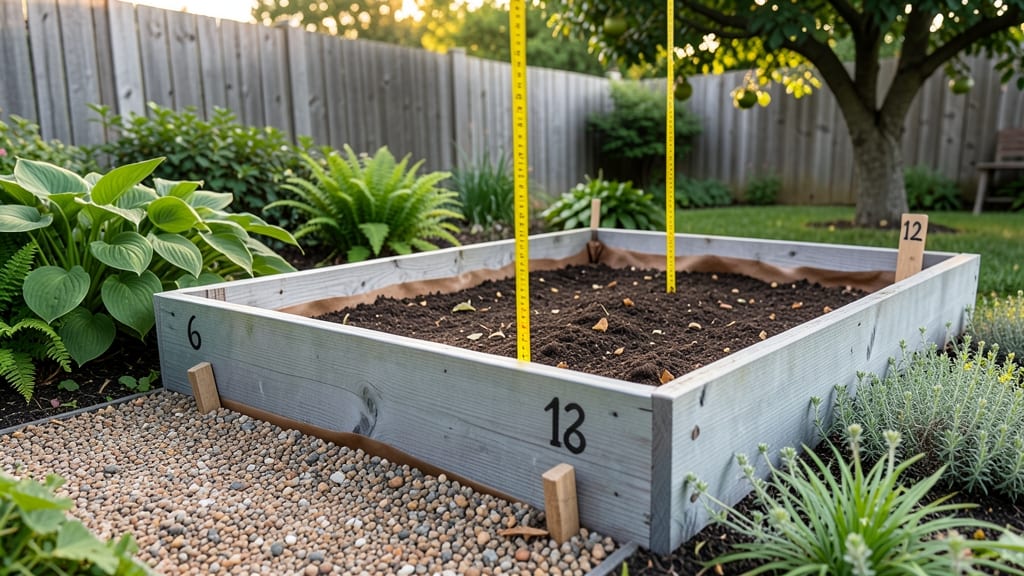
How deep to make raised garden beds is the first step to a thriving garden 🌱 — and most people get it wrong by overcomplicating it.
You’ve probably heard “deeper is always better,” but that’s not true for every plant. Carrots need 6 inches of loose soil to grow straight, while tomatoes and potatoes demand 12+ inches to support their roots.
The wrong depth means wasted space, poor drainage, or plants that struggle to reach their full potential.
In this guide, I’ll break down the ideal depth for vegetables, herbs, and root crops, plus how to adjust for heavy feeders, drainage issues, and small spaces. You’ll learn when to dig deeper, when to keep it shallow, and how to layer soil for maximum efficiency without breaking the bank.
Whether you’re a beginner or a seasoned gardener, these soil depth secrets will help you design raised beds that work harder for you—and your plants.
Optimal raised garden bed depths for different plant types
When building raised garden beds, the depth of your soil directly impacts plant health and yield. While a 6–12 inch depth works for most vegetables and herbs, some root crops and heavy feeders demand more space. Understanding these needs ensures your plants thrive without wasted effort or resources.
Most gardeners default to 10–12 inches because it accommodates the majority of crops while balancing accessibility and cost. However, shallow-rooted plants like lettuce and herbs can thrive in just 6 inches, while deep-rooted vegetables such as carrots and potatoes need 12+ inches to reach maturity.
The gold standard of 6–12 inches isn’t arbitrary—it aligns with how most plants naturally grow in the wild. This depth provides enough room for roots to spread while keeping the soil loose and well-aerated.
But don’t assume deeper is always better; over-deepening can lead to drainage issues, soil compaction, and wasted materials.
For example, leafy greens like spinach and kale only need 6–8 inches of soil, while tomatoes and peppers benefit from 12–18 inches to support their robust root systems. Herbs like basil and parsley also thrive in shallower beds, making them perfect for small spaces or container gardens.
| Plant Type | Ideal Depth | Notes |
|---|---|---|
| Leafy Greens (lettuce, spinach, kale) | 6–8 inches | Fast-growing; shallow roots |
| Herbs (basil, parsley, cilantro) | 6–10 inches | Moderate root depth; great for containers |
| Root Crops (carrots, beets, radishes) | 12–18 inches | Needs loose, stone-free soil |
| Fruiting Plants (tomatoes, peppers, eggplant) | 12–18 inches | Supports heavy foliage and fruit |
| Flowers (marigolds, zinnias, nasturtiums) | 6–12 inches | Most adapt to standard depths |
| Perennials (asparagus, rhubarb) | 18+ inches | Deep taproots; long-term growth |
If you’re growing asparagus or rhubarb, consider 18+ inches of depth since these perennials develop deep taproots that take years to establish. For most home gardeners, though, 12 inches strikes the perfect balance between practicality and performance.
Another factor to consider is soil quality and drainage. A 6-inch bed might work for herbs, but if your soil is heavy clay, you’ll need to add compost and sand to prevent waterlogging. Conversely, sandy soils may require extra organic matter to retain moisture for shallow-rooted plants.
For container gardening or small spaces, you can still achieve great results with 6–8 inches of soil by choosing the right crops. Dwarf varieties of tomatoes or peppers are ideal for shallower beds, while bush beans and zucchini also adapt well to limited depth.
When constructing your raised beds, use untreated wood or cedar for longevity, and line the bottom with cardboard or landscape fabric to block weeds without restricting drainage. Fill the bed with a mix of topsoil, compost, and perlite to create an ideal growing medium.
Remember, the key to success isn’t just depth—it’s consistent moisture, proper drainage, and nutrient-rich soil. With the right depth tailored to your plants, you’ll enjoy a bountiful harvest without the guesswork.
How to adjust raised bed depth for heavy feeders and root crops
If you’re growing tomatoes, carrots, or potatoes, standard 6–12-inch raised beds might leave your plants hungry for space. Heavy feeders and root crops demand deeper soil to thrive, but extending your bed’s depth doesn’t have to break the bank.
The key is strategic layering and smart construction—let’s dive into how to optimize your raised garden beds for nutrient-hungry plants without overbuilding.
Most gardeners assume deeper beds always mean better growth, but that’s not always true. Over-deepening can create drainage issues or waste resources, while under-deepening stunts root development.
For instance, carrots need at least 12 inches of loose soil to grow straight, while potatoes thrive with 18+ inches of depth for tuber expansion. The solution? Adjust depth based on your plants’ needs and layer your soil for maximum efficiency.
- 1 6–12 inches: Ideal for leafy greens, herbs, and shallow-rooted veggies like lettuce or radishes.
- 2 12–18 inches: Perfect for heavy feeders like tomatoes, peppers, and squash. Adds room for root expansion and nutrient storage.
- 3 18–24 inches: Essential for root crops like carrots, potatoes, and beets. Prevents root bending and maximizes yield.
- 4 24+ inches: Only needed for deep-rooted perennials like asparagus or artichokes. Rarely practical for annual veggies.
To extend your bed’s depth affordably, start with a 12-inch frame and add layers of compost-rich soil over time. For example, if you’re growing potatoes, begin with a 12-inch bed and mound soil around the stems as they grow—this mimics their natural habit of pushing through the soil.
For carrots, mix in sand or perlite to keep the soil loose and prevent forking.
Layering also helps manage costs. Instead of filling your bed with expensive topsoil, use a bottom layer of coarse materials like gravel or wood chips for drainage, then add compost and aged manure on top.
This creates a nutrient-rich zone where roots can thrive without requiring a 24-inch-deep bed. Just ensure the top 6–12 inches are fertile—this is where most roots will grow.
If you’re working with limited space, consider interplanting shallow-rooted crops like lettuce or radishes between rows of deep-rooted plants. This maximizes your bed’s productivity without needing extra depth.
For instance, plant carrots in the center of a 12-inch bed and surround them with bush beans or spinach, which have shallow roots.
Remember, the goal isn’t just depth—it’s healthy soil. Regularly amend your beds with compost or worm castings to replenish nutrients, especially for heavy feeders like tomatoes. A 12-inch bed with rich soil will outperform a 24-inch bed filled with poor-quality dirt.
Test your soil’s pH and nutrient levels annually to keep your plants happy and productive.