
How To
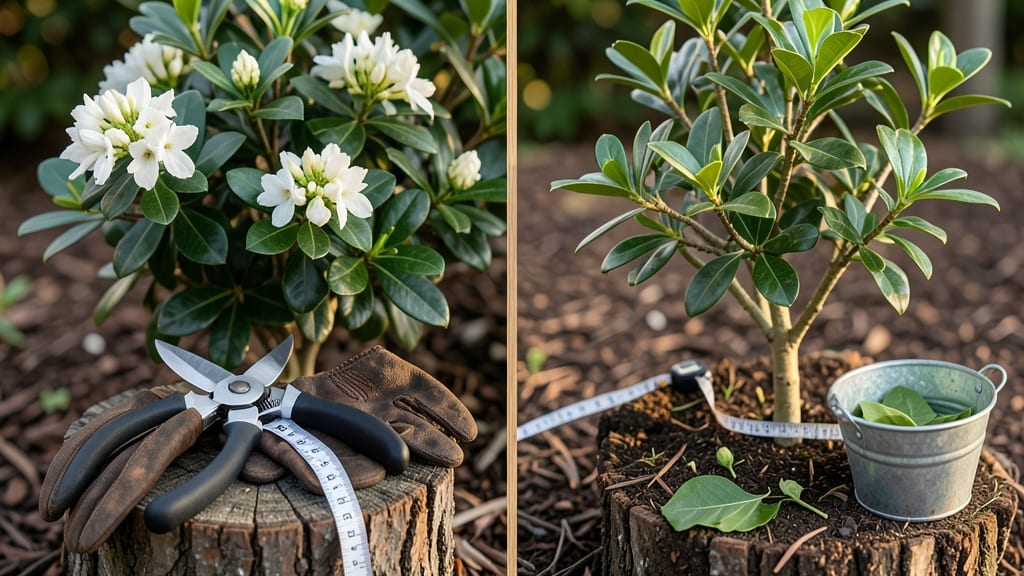
You can cut back gardenias by up to one-third of their height each year without harming them — a rule that unlocks fuller blooms and healthier growth.
Struggling to keep your gardenias blooming beautifully? The secret might be hiding in your pruning technique — cutting them back too much or too little can stifle next season’s flowers. Here’s exactly how far you can safely trim these fragrant favorites without sacrificing their health.
Most gardeners hesitate to prune because they fear damaging the plant, but strategic cuts actually encourage stronger stems and more abundant blooms. The key is timing: prune in late winter or early spring before new growth begins, and always use clean, sharp tools to avoid tearing the branches.
In this guide, I’ll walk you through safe pruning limits, step-by-step techniques, and what to watch for if you accidentally overdo it. By the end, you’ll know exactly how to shape your gardenias for a show-stopping display next year.
Safe pruning limits for gardenias: how far is too far?
Gardenias thrive when pruned within strict limits—cutting back more than one-third of their height in a single season can shock the plant and reduce flowering. The key is balancing structural health with bloom production, since gardenias set next year's buds on current season's growth.
Most gardeners make two common mistakes: either avoiding pruning entirely (leading to leggy, overgrown shrubs) or cutting too aggressively (which stresses the plant).
The science-backed rule is to remove no more than 25-33% of the plant's height annually, distributed evenly across multiple branches rather than concentrating cuts in one area.
Timing matters just as much as technique. Prune in late winter or early spring (just before new growth begins) to avoid removing potential flower buds that form in late summer. Summer pruning should be minimal—only remove dead or diseased branches immediately when spotted.
The branch structure of gardenias follows a layered growth pattern, where older wood produces fewer blooms than newer growth. When pruning, always cut back to a bud or lateral branch rather than leaving a stub, which can invite disease.
Use clean, sharp pruners to make 45-degree cuts just above a leaf node.
Here’s a quick reference for safe pruning limits based on your gardenia’s age and size:
For standard-sized gardenias (4-6 ft tall), this translates to removing about 1-2 feet of height per year if you’re following the 25-33% rule. If your gardenia is dwarf variety (1-2 ft), limit cuts to just 2-4 inches annually to avoid over-pruning.
Always prioritize branch thickness when deciding how much to cut. Thicker branches (over 1/2 inch in diameter) can handle slightly more aggressive pruning, while thinner branches should only be trimmed lightly. Look for healthy green buds just below your cut—these will sprout into new growth.
One of the biggest mistakes I see is shearing gardenias like a hedge, which removes too many buds and weakens the plant. Instead, use the selective pruning method: target specific branches that are crossing, dead, or overcrowded, and avoid "haircutting" the entire shrub at once.
After pruning, monitor your gardenia for new growth within 4-6 weeks. If you see vigorous shoots emerging from the base, your cuts were just right.
However, if the plant remains leggy or produces no new leaves, you may have pruned too aggressively—this is your cue to scale back next time.
Remember, gardenias are slow to recover from over-pruning, so it’s always better to err on the side of caution. With the right technique, you’ll enjoy healthier plants and more fragrant blooms every season. 🌸
Step-by-step guide: how to prune gardenias without killing them
Pruning gardenias might seem intimidating, but with the right technique, you can encourage healthier growth and more blooms next season. The key is knowing how far to cut and when to stop—overdoing it can leave your plant stressed and bare.
I’ll walk you through my foolproof method for trimming these fragrant shrubs safely, so you avoid common mistakes like cutting into old wood or removing too many leaves at once.
Before you grab your shears, gather your tools: sterilized pruning shears, sharp bypass pruners, and rubbing alcohol for cleaning cuts. Gardenias thrive when pruned in early spring or right after blooming, but never in late summer—this ensures you don’t accidentally snip off next year’s flower buds.
Let’s dive into the step-by-step process to keep your gardenias lush and blooming for years.
Step-by-Step Pruning Guide for Gardenias
-
Step 1: Remove Dead or Diseased Branches
Start by cutting out any brown, mushy, or crisscrossing branches at the base. These won’t regrow and can spread disease.
-
Step 2: Thin Out Overcrowded Areas
Look for branches growing inward or rubbing against each other. Cut these back to just above a leaf node to improve airflow.
-
Step 3: Prune for Shape (Max 1/3 of Growth)
Trim back no more than 1/3 of the plant’s height. Cut just above a bud or leaf at a 45-degree angle to encourage new growth.
-
Step 4: Avoid Cutting into Old Wood
Never prune woody stems without leaves—these won’t regrow. If you see bare branches, leave them unless they’re dead.
-
Step 5: Clean and Sterilize Tools
Wipe shears with rubbing alcohol before and after pruning to prevent spreading fungal diseases like powdery mildew.
After pruning, give your gardenia a light fertilizer to help it recover. Focus on keeping the soil moist but not soggy for the next few weeks, as new growth will be tender. Avoid heavy pruning in summer heat, as this can stress the plant and reduce blooming potential.
With this method, your gardenias will reward you with vibrant blooms and a fuller shape next season.
Pro tip: If you’re unsure about a cut, take it out slowly. Gardenias are forgiving, but patience pays off. Over time, you’ll develop an eye for the perfect balance between shape and growth—and your neighbors will be jealous of those perfectly pruned gardenias! 🌸
Remember, the goal isn’t to make your gardenia look like a topiary—it’s to encourage natural growth while keeping it healthy and blooming. With these steps, you’ll master pruning in no time! ✂️