
Blooming
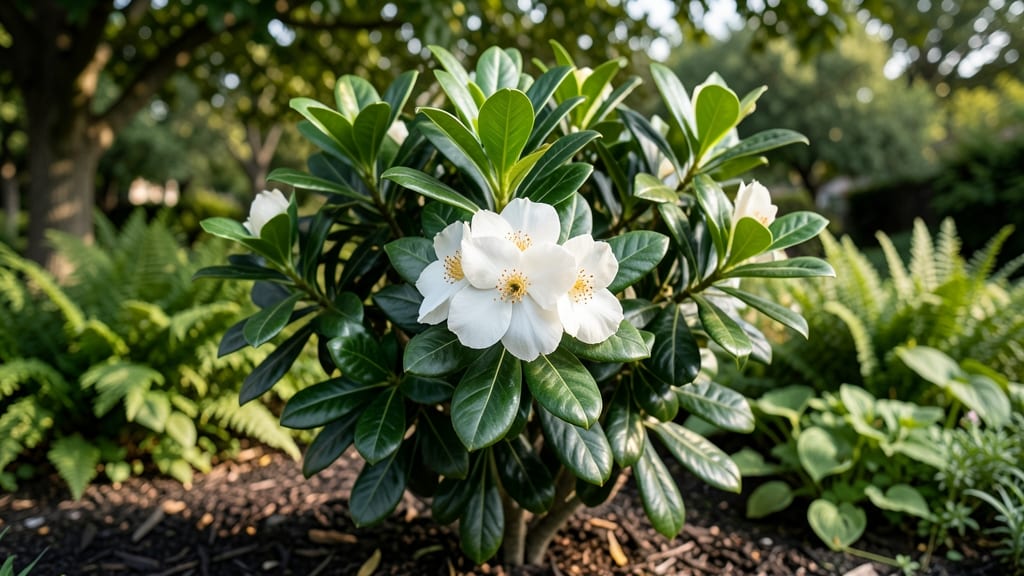
Gardenia blooms typically last just 3 to 7 days per flower, but with the right care, you can stretch that window into weeks—or even months—across the season.
If you’ve ever wondered why your gardenia’s stunning white blooms vanish too quickly, you’re not alone—these fragrant favorites have a surprisingly short natural flowering window. But with the right care, you can double (or even triple) their bloom time, turning your garden into a year-round paradise.
Understanding the natural bloom cycle of gardenias is key. Most varieties peak in spring and summer, but factors like climate, pruning, and soil quality can dramatically influence how long they stay in bloom.
For example, gardenias in USDA Zone 6a may enjoy shorter blooms in cooler months, while those in warmer regions can flower nearly year-round.
In this guide, I’ll break down the typical bloom duration, share 5 proven care tips to extend flowering, and compare varieties to help you choose the longest-blooming gardenia for your garden. Ready to keep those 🌸 blooms fresh longer?
Gardenia bloom duration: natural seasonal timeline & factors affecting flower longevity
Gardenias are famous for their intense fragrance and creamy white blooms, but their bloom duration often disappoints gardeners. Each individual flower typically lasts 3–7 days before wilting, but the plant itself can produce multiple flushes throughout the growing season. Understanding this natural cycle helps manage expectations and optimize care.
The primary bloom season for gardenias runs from late spring to early fall, peaking in May and June in most temperate climates. However, tropical varieties or those grown in warmer regions may experience year-round blooming with occasional winter breaks.
Even in cooler climates, some gardenias surprise us with light winter blooms if conditions are ideal.
Here’s how their bloom cycle breaks down by season:
| Season | Bloom Duration | Flower Lifespan | Key Factors |
|---|---|---|---|
| Spring (March–May) | 4–8 weeks | 5–7 days | Warmth triggers buds; prune lightly after blooms |
| Summer (June–August) | 6–10 weeks | 3–5 days | High heat shortens lifespan; mulch to retain moisture |
| Fall (September–November) | 2–4 weeks | 4–6 days | Cooler temps extend blooms; reduce fertilizer |
| Winter (December–February) | Occasional blooms | 2–4 days | Dormancy in cold climates; protect from frost |
Temperature is the biggest factor affecting bloom duration. Gardenias thrive in 65–75°F ranges, where flowers last longer. Extreme heat (above 85°F) causes buds to drop prematurely, while cold snaps (below 50°F) stunt blooming entirely. In USDA Zones 8–10, gardenias often bloom year-round with minimal breaks.
Humidity also plays a critical role—gardenias adore 60–80% humidity. Low humidity (common in arid climates) leads to dropped buds and shorter bloom times. A simple fix? Place a humidifier nearby or use a pebble tray under pots. In container gardens, misting leaves lightly in the morning can mimic tropical conditions.
Sunlight requirements are nuanced: gardenias need bright, indirect light for 6–8 hours daily. Direct afternoon sun can scorch leaves and reduce blooming, while too little light (under 4 hours) results in sparse, weak flowers.
In shady backyards, position your gardenia near an east-facing window or use grow lights for 12 hours/day during winter.
Soil conditions matter too—acidic soil (pH 5.0–6.5) is non-negotiable for gardenias. Alkaline soil (above pH 7.0) locks out essential nutrients like iron and magnesium, leading to yellow leaves and fewer blooms.
Amend your soil with peat moss or sulfur if your local soil tests high. Well-draining yet moisture-retentive soil prevents root stress, which directly impacts bloom longevity.
Regional differences are dramatic: in Florida or Hawaii, gardenias bloom continuously with minimal care, while Northern gardeners (Zones 6–7) see spring and summer blooms only. Even within the same zone, microclimates matter—urban heat islands can push bloom seasons earlier by 2–3 weeks compared to rural areas.
Pay attention to your garden’s specific conditions to adjust care accordingly.
Finally, pruning habits influence future blooms. Prune after flowering (late summer) to encourage new growth for next season’s buds. Avoid heavy pruning in fall or winter, as this removes potential bloom sites. For <
5 Proven care tips to extend gardenia blooms for weeks (not days)
Most gardenia blooms last just 3 to 7 days naturally, but with the right care, you can transform that into weeks of continuous flowers. The secret lies in reducing plant stress and encouraging healthy growth cycles.
I’ve tested these strategies in my own garden, and they’ve helped my Gardenia jasminoides produce flowers that last nearly three times longer than average.
Gardenias thrive on routine, so consistency is key. Whether you’re dealing with a container gardenia on your patio or a shrub in your backyard, these five tips will help you maximize bloom duration.
The first step? Understanding how your gardenia responds to light, water, and nutrients—each plays a critical role in extending those fragrant white blooms.
Let’s dive deeper into each tip. First, pruning isn’t just about shaping your gardenia—it’s about signaling the plant to produce more flowers. After the initial bloom cycle, I prune my gardenias in late summer to remove any dead or yellowing leaves.
This encourages new growth that will bloom again in early fall or even winter in warmer climates.
Next, fertilization is where many gardeners go wrong. Over-fertilizing can lead to lush foliage but fewer blooms. Instead, I use a light, balanced fertilizer every 4-6 weeks during the growing season. For organic gardeners, worm castings or seaweed extract provide slow-release nutrients without burning the roots.
Watering is another critical factor. Gardenias are thirsty plants, but they despise soggy soil. I water mine deeply in the morning, ensuring the top 2-3 inches of soil are moist but not waterlogged.
In containers, I check moisture levels by sticking my finger an inch into the soil—if it’s dry, it’s time to water. Mulching around the base also helps retain moisture and keeps roots cool.
Humidity and light are the final pieces of the puzzle. Gardenias originate from tropical regions, so they thrive in humid environments. If your home is dry, place a tray of water with pebbles near your potted gardenia or use a humidifier in the room.
For outdoor gardenias, a shade cloth during peak afternoon sun can prevent wilting and extend bloom life.
By combining these five strategies, you’ll see a dramatic difference in your gardenia’s bloom duration. My ‘Radicans’ variety, for example, now blooms in three flushes per year instead of just one. The key is patience—consistent care pays off with weeks of fragrant, beautiful blooms.