
Light Requirements
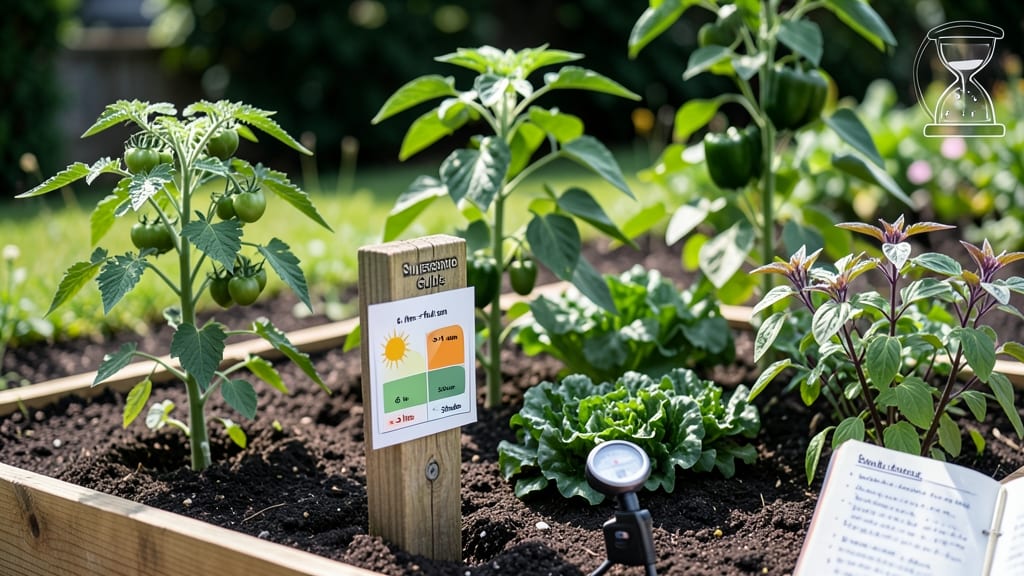
A vegetable garden needs how many hours of sun does a vegetable garden need—typically 6 to 8 hours of sunlight daily 🥬—to thrive, though some crops like leafy greens can handle less. Without the right balance, your plants might bolt, wilt, or produce sparse yields.
Sunlight is the lifeblood of your vegetable garden—but too much or too little can spell disaster for your harvest. Understanding the exact sun requirements for each crop isn’t just guesswork; it’s the difference between thriving plants and wasted effort.
Some vegetables, like tomatoes and peppers, demand full sun, while others, such as lettuce or spinach, can tolerate partial shade. Figuring out how much light your garden actually gets—and how to adjust for seasonal changes—can save you from frustration later.
In this guide, you’ll learn how to measure sunlight in your space, match crops to their ideal light conditions, and troubleshoot common mistakes that rob your garden of its full potential.


Sunlight requirements by vegetable type: full sun vs. partial shade needs
Not all vegetables thrive under the same sunlight conditions. Some vegetables crave full sun—meaning 6+ hours of direct light daily—while others do just fine with partial shade (3-6 hours) or even low-light conditions (<3 hours).
Misjudging these needs can lead to stunted growth, poor yields, or even plant death. For example, tomatoes and peppers wilt without full sun, while leafy greens like spinach bolt in too much heat and need some shade.
Understanding these categories helps you design a balanced garden layout. Place sun-loving crops where they get the most light, and use shade-tolerant plants to fill gaps under trees or near buildings.
This strategy maximizes your space and ensures every plant gets its ideal growing conditions. Think of it like a sunlight puzzle—each crop has its own piece to fit perfectly.
Here’s the breakdown you need to know, with real-world examples to guide your planting decisions. Whether you’re working with a south-facing garden bed or a shady corner, this guide helps you match plants to their perfect light spot.
Take tomatoes, for instance—they’re full-sun champions that need at least 6-8 hours of direct light to produce sweet, flavorful fruits. Without enough sun, they’ll grow leggy, produce fewer tomatoes, and may even develop blossom end rot.
On the flip side, leafy greens like spinach bolt (go to seed prematurely) when exposed to too much heat and sun. They prefer partial shade, especially in hot climates.
Herbs like basil and dill are flexible but thrive with 4-6 hours of sun. If your garden only gets morning light, these herbs will still grow, but their flavor may be less intense.
Meanwhile, shade-loving crops like parsley can handle just 2-3 hours of light, making them perfect for woodland gardens or containers on a north-facing porch.
Seasonal changes also affect sunlight needs. In summer, days are longer, so partial-shade plants might get enough light even in spots that seem shady. But in winter, shorter days mean even full-sun crops may need protection from frost or supplemental light.
Plan ahead by rotating crops or using row covers to extend the growing season.
Pro tip: Observe your garden’s sun patterns for a week before planting. Use a sunlight tracker or mark shadows with stakes to identify the sunniest and shadiest spots. This simple step saves you from trial-and-error planting and ensures every plant gets the right amount of light to thrive.
If your garden has limited full-sun spots, opt for compact varieties of sun-loving crops like bush beans or determinate tomatoes. These grow well in containers or small spaces and still deliver big harvests.
For shady areas, microgreens or sprouts are quick-growing options that don’t need much light to produce edible greens.
Remember, soil health and watering also play a role in how plants handle light. For example, well-draining soil helps shade-loving plants avoid root rot, while mulch keeps full-sun crops cool. Combine these factors for the best results, and your garden will be a sunlight-powered success.
How to measure sunlight in your garden and adjust for optimal growth
Measuring sunlight in your garden is the first step to creating a thriving vegetable patch. Most vegetables need 6 to 8 hours of direct sunlight daily, but some thrive in partial shade. Start by observing your garden throughout the day—especially during peak sunlight hours (10 AM to 4 PM).
Use a simple sunlight tracker like a white plate or a solar-powered garden light to track shadows and sunlight patterns.
If your garden lacks natural sunlight, don’t despair! There are creative ways to maximize light exposure. For example, reflective surfaces like white gravel or light-colored mulch can bounce extra sunlight onto plants.
Raised beds also allow better air circulation and warmth, which can help plants grow stronger in lower-light conditions. Even south-facing walls can provide additional warmth for shade-loving crops.
- 🌿 Full Sun (6+ hours): Tomatoes, peppers, cucumbers, squash, and corn thrive here.
- 🌳 Partial Sun (3-6 hours): Leafy greens (like spinach), herbs (basil, parsley), and root veggies (carrots, beets) do well.
- 🌧️ Shade (<3 hours): Lettuce, kale, and radishes can tolerate lower light but may bolt faster.
- ☀️ Adjustable Solutions: Use movable containers or trellises to follow the sun’s path.
- 📏 Test Your Garden: Place a ruler in the shade—measure how long shadows stretch at noon.
To get precise measurements, use a sunlight calculator app or a simple DIY method. Place a white card or solar meter in your garden for a full day and note the hours of direct sunlight.
If your garden has obstructed sunlight from trees or buildings, consider planting sun-loving crops in the southern or western sections where they’ll get the most light. For example, tomatoes placed near a south-facing fence will receive extra warmth.
If you’re dealing with low-light conditions, opt for shade-tolerant varieties or extend the growing season with row covers. For instance, leafy greens like Swiss chard can handle partial shade, while radishes grow quickly even in cooler, less sunny spots.
Another trick is to rotate crops seasonally—plant sun-loving veggies in spring and shade-friendly ones in summer when the sun is intense.
Don’t forget to account for seasonal changes in sunlight. In summer, days are longer, but shade from growing plants can reduce exposure. In winter, shorter days mean less light, so plan your garden layout to maximize what sunlight you have.
For example, interplant tall crops with short ones to ensure all plants get their share of light as they grow.
By measuring sunlight accurately and adjusting your garden layout, you’ll create the perfect environment for your vegetables to flourish. Start small—test a few spots, observe the results, and refine your approach. With a little experimentation, you’ll find the sweet spot for your garden’s unique conditions. Happy growing! 🌱