
Light Requirements
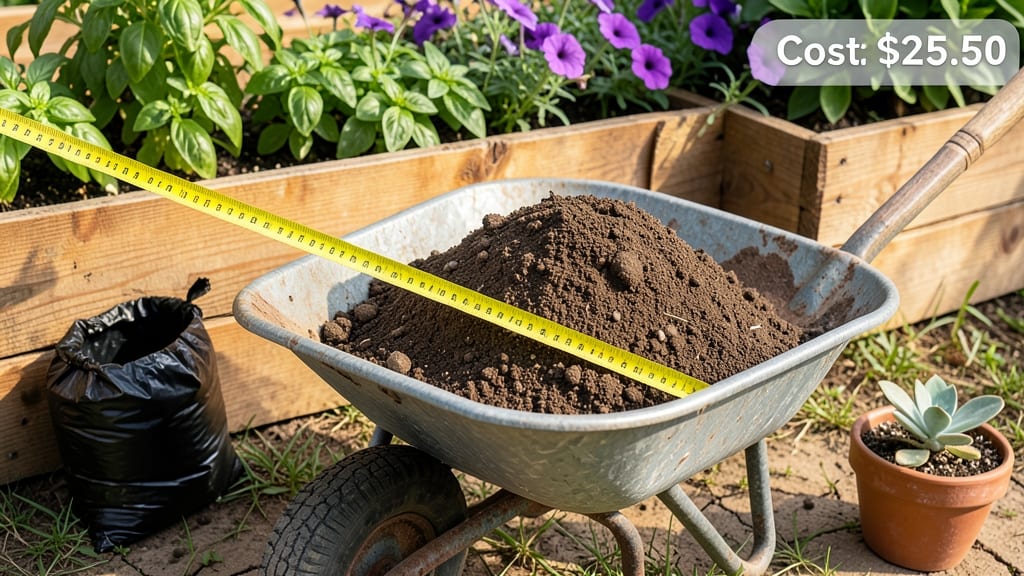
A yard of garden soil costs between $15 and $60 depending on type—topsoil ($10–$30), compost blends ($25–$50), or specialty mixes ($40–$80+). Regional pricing, supplier type (bulk vs. bagged), and delivery fees all play a role. Local quarries and garden centers often provide the best bulk discounts for large quantities.
A yard of garden soil's cost reflects its composition and purpose. 💛 Basic topsoil is the most budget-friendly option, ideal for general planting, while premium mixes with added nutrients or organic matter command higher prices.
What's interesting is how location impacts pricing—urban areas often charge more due to transportation costs, whereas rural suppliers can offer significantly lower rates. I've found that comparing quotes from at least three suppliers before purchasing can save you 20-30% on large orders.
Another key factor is whether you're buying in bulk or bags. Bulk purchases are typically the most economical for large projects, but they require proper storage and handling. For smaller jobs, pre-bagged soil offers convenience at a slightly higher per-unit cost.
Always ask about delivery fees upfront, as some suppliers include them in their quoted price while others charge extra for dumping or spreading services.
💡 In This Article
- Factors That Influence Garden Soil Pricing
- Best Ways to Buy Soil for Maximum Savings
Factors that influence garden soil pricing
Soil composition is the primary driver behind price variations. Basic topsoil, which is primarily inorganic and stripped of organic matter, costs $10–$20 per yard because it's abundant and requires minimal processing.
In contrast, compost blends with 30–50% organic matter (like aged manure or coconut coir) can reach $30–$50 per yard due to the energy-intensive composting process. Specialty mixes—such as those formulated for acid-loving plants or container gardening—often include hydroponic additives or slow-release fertilizers, pushing prices to $60–$80+ per yard.
Regional availability plays a massive role in pricing. Urban areas frequently charge 20–50% more than rural suppliers because of higher transportation costs and limited local quarries.
For example, a yard of topsoil might cost $18 in suburban Chicago but only $12 in rural Iowa, where quarries can deliver directly without navigating city traffic. Seasonal demand also spikes prices—spring planting season (March–May) can see 15–25% premiums over off-season rates. 💛
Supplier markup varies dramatically between retail and wholesale channels. Garden centers often add 30–50% overhead for packaging, labor, and storefront costs, while bulk suppliers (like quarries or farm cooperatives) sell directly to contractors or homeowners at 20–40% lower rates.
Delivery logistics further impact pricing—some suppliers charge $50–$150 extra for dumping fees, while others include it in the quoted price. Always ask whether the price covers "delivered and spread" or just "delivered in a pile."
Transportation costs can add $20–$100+ per yard depending on distance. A local quarry might deliver for $10–$20 per yard within a 10-mile radius, but hauling from 50+ miles away can double that fee.
Fuel prices, truck availability, and road conditions (like winter ice or spring mud) all contribute to these fluctuations. For large orders, negotiating a flat-rate delivery fee can save hundreds—some suppliers offer discounts for 10+ yards at once.
Hidden fees often catch buyers off guard. Some suppliers charge $20–$50 per hour for spreading services, while others include it for free. Disposal fees for excess soil (if you don’t use the entire yard) can run $10–$30 per cubic yard.
Always clarify whether taxes are included—some suppliers list prices pre-tax, adding 6–10% extra at checkout. 💫
One surprising factor is soil moisture content. Wet soil weighs significantly more than dry soil—up to 30% heavier per cubic yard. Suppliers often measure by volume, not weight, so a "yard" of soggy soil might actually contain less usable material**.
This is why some premium suppliers offer "dry bulk" options with guaranteed moisture levels, ensuring you get the full volume you pay for.