
Light Requirements
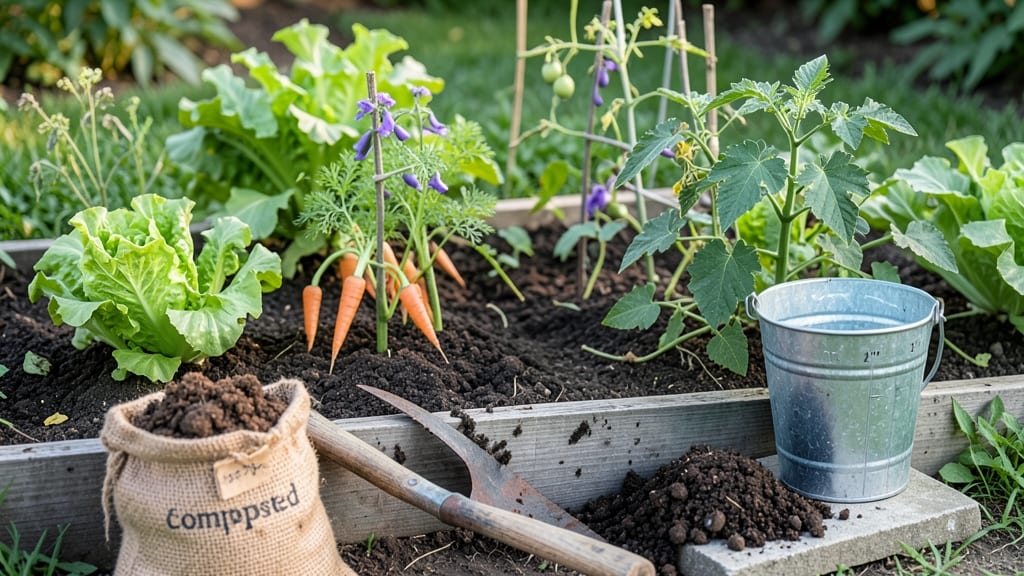
To determine how much manure to add to garden soil, start with a 1:10 ratio (1 part aged manure to 10 parts soil) for most vegetables, but cut back to 1:20 for delicate flowers or seedlings. Always compost manure for 3-6 months first to prevent root burn. For clay soil, increase to 1:15, while sandy soil needs only 1:8 to avoid nutrient runoff.
Manure acts as a nutrient powerhouse, but too much can overwhelm your plants. 🌱 The key is balancing nitrogen, phosphorus, and potassium—what works for leafy greens (like spinach) differs from what fruiting plants (like tomatoes) need. For instance, nitrogen-heavy manure might make your tomatoes produce more leaves than fruit.
Always test your soil first to avoid overloading nutrients, which can lead to leaf scorch or even root damage. I recommend mixing manure into the top 6 inches of soil in early spring or fall, when plants are less sensitive to changes.
Another critical factor is soil texture. Clay soil holds nutrients tightly, so you can afford slightly higher ratios (like 1:15) to loosen compaction. Sandy soil, however, drains quickly, so lower ratios (1:8) help retain moisture and nutrients.
If your garden has patches of both, consider amending the soil with compost first to create a more uniform growing medium. This step saves you from overcorrecting with manure later.
💡 In This Article
- Manure-to-Soil Ratios by Plant Type: What Your Garden Needs
- Soil Type Matters: Adjusting Manure for Clay vs. Sandy Gardens
Manure-to-soil ratios by plant type: what your garden needs
The right manure-to-soil ratio depends entirely on what you're growing. Leafy greens like spinach or lettuce thrive with a 1:10 ratio because they absorb nitrogen quickly for lush foliage.
However, fruiting plants such as tomatoes or peppers need a 1:15 ratio—too much nitrogen here shifts energy from fruit production to leaf growth. The difference comes down to nitrogen sensitivity: heavy feeders like corn can handle 1:8 ratios because they convert excess nitrogen into plant tissue efficiently.
Delicate plants like orchids or seedlings require even more caution—use a 1:20 ratio or less to avoid overwhelming their root systems.
The key is understanding nutrient absorption rates: shallow-rooted herbs (like basil) need manure concentrated near the surface, while deep-rooted perennials (like asparagus) benefit from mixing it into the top 6-8 inches of soil.
For example, composted horse manure (rich in nitrogen) works well for beans, while cow manure (balanced NPK) suits tomatoes better.
Timing matters too. Apply manure in early spring or fall when soil temperatures are cooler (50-65°F), reducing the risk of root burn. Fresh manure can spike soil temperatures to 120°F+, which kills beneficial microbes and damages roots.
Always compost for 3-6 months first—this breaks down urea into plant-available nitrogen and stabilizes phosphorus and potassium. The texture changes too: fresh manure is coarse and crumbly, while aged manure becomes dark, crumbly, and earthy-smelling.
Here’s a quick reference for common plants:
- Vegetables (leafy greens): 1:10 ratio (e.g., spinach, kale)
- Fruiting plants: 1:15 ratio (e.g., tomatoes, peppers)
- Flowers/seeds: 1:20 ratio (e.g., roses, seedlings)
- Lawns: 1:12 ratio (top-dress in spring/fall)
What most gardeners overlook is the secondary nutrient balance. Manure high in phosphorus (like chicken manure) can cause phosphorus buildup over time, leading to poor calcium uptake. Always pair manure with compost to buffer pH and improve soil structure.
For instance, mixing 1 part manure, 2 parts compost, and 10 parts soil creates a safer, more balanced growing medium.
Pro tip: Observe your plants after application. Yellowing leaves signal excess nitrogen, while stunted growth may indicate phosphorus or potassium deficiency. Adjust ratios based on these visual cues—your garden’s response is the best teacher. 🌱