
Light Requirements
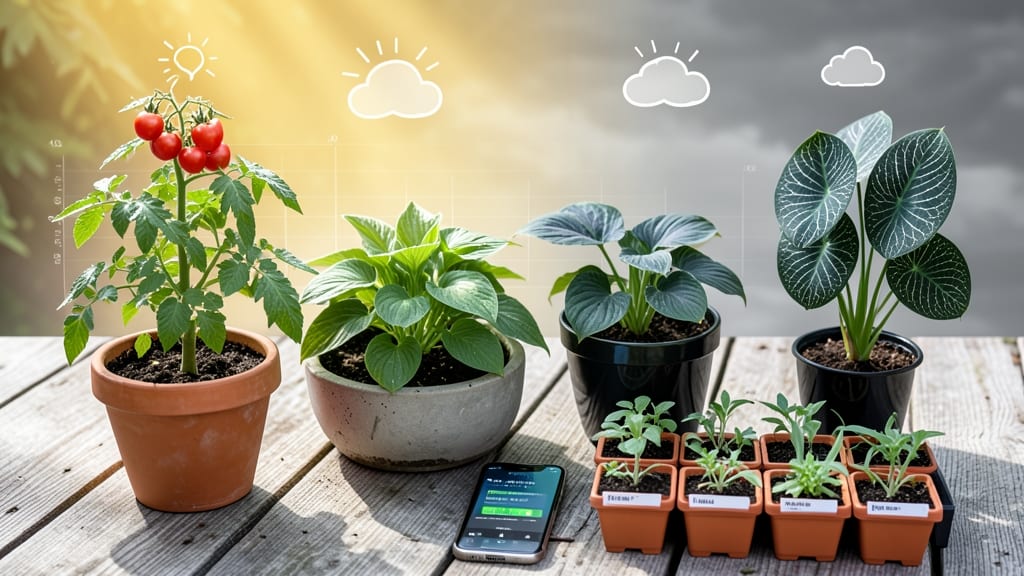
Gardens need varying sunlight amounts depending on plant types: full-sun plants require 6–8+ hours daily, partial-shade varieties thrive with 3–6 hours, and shade-lovers survive with under 3 hours. Match light exposure to each plant’s native habitat for best growth.
Sunlight is the foundation of plant health, but not all gardens get the same amount of light. 🌞 Full-sun plants like tomatoes and lavender demand bright, unfiltered exposure, while partial-shade varieties such as impatiens or hostas prefer dappled sunlight.
Shade-tolerant plants, including ferns and astilbes, thrive in spots where direct sun barely reaches. The key is observing your yard's natural light patterns—morning sun behaves differently than afternoon glare, and seasonal shifts can drastically alter what your plants receive.
Most gardeners make the mistake of assuming all plants need the same light conditions. In reality, misplacing a sun-loving plant in shade leads to leggy growth and poor flowering, while shade plants in full sun risk scorched leaves.
I recommend testing your garden's light zones for a month before planting—mark areas with stakes to track which spots get how many hours of direct sun. This simple step prevents costly mistakes and ensures your garden thrives year-round.
💡 In This Article
- Sunlight Requirements by Plant Categories
- Adjusting Garden Layout for Optimal Sun Exposure
Sunlight requirements by plant categories
Sunlight isn't just about hours—it's about intensity and duration. Full-sun plants like tomatoes and roses need 6-8+ hours of direct sunlight daily because they originate from open, sunny habitats where photosynthesis operates at peak efficiency.
These plants have adapted to high-light conditions by developing thick cuticles to prevent water loss and pigments that protect their leaves from UV damage. Without enough light, they become weak, produce fewer flowers, and may even develop fungal issues from damp foliage.
The difference between 3-6 hours (partial shade) and under 3 hours (shade) creates dramatic growth variations. For example, coleus and hostas thrive in partial shade because their native forests have dappled sunlight filtering through tree canopies.
Too much direct sun causes their leaves to bleach or crisp, while too little light makes them grow leggy and pale. Shade-loving plants like ferns and heucheras have evolved to use low-light conditions efficiently, often growing larger leaves to capture whatever light they can.
Vegetables show this clearly: peppers and eggplants need full sun to produce fruit, while lettuce and spinach bolt (go to seed prematurely) when exposed to too much heat and light.
Herbs like basil and oregano require full sun for their oils to develop properly, but cilantro prefers partial shade to stay sweet rather than bitter. The key is understanding each plant's native environment—most full-sun plants come from Mediterranean climates, while shade plants often originate from understory forest floors.
Seasonal variations add complexity. A plant might get 8 hours of sun in summer but only 4 hours in winter due to lower sun angles. This is why perennials like daylilies (which need full sun) often survive in partial shade—because they've adapted to seasonal light changes.
For annuals, you'll need to rotate containers or move plants if your light conditions shift dramatically between seasons. 🌱
Even within categories, there are nuances. For example, marigolds are full-sun plants but can tolerate partial shade in hot climates, while petunias need full sun but may struggle in areas with intense afternoon heat.
The solution? Observe how your plants respond over time and adjust their placement accordingly. Most nurseries label plants with light requirements, but these are often guidelines—your local microclimate matters more than general rules.
Consider this: A tomato plant in 6 hours of morning sun may perform differently than one with 6 hours of afternoon sun. Morning light is cooler and less intense, while afternoon sun can scorch leaves.
This is why many gardeners recommend placing heat-sensitive plants on the east side of the garden. The science of photoperiodism (how plants respond to light duration) explains why some flowers bloom only in long summer days while others wait for shorter autumn light.