Watering
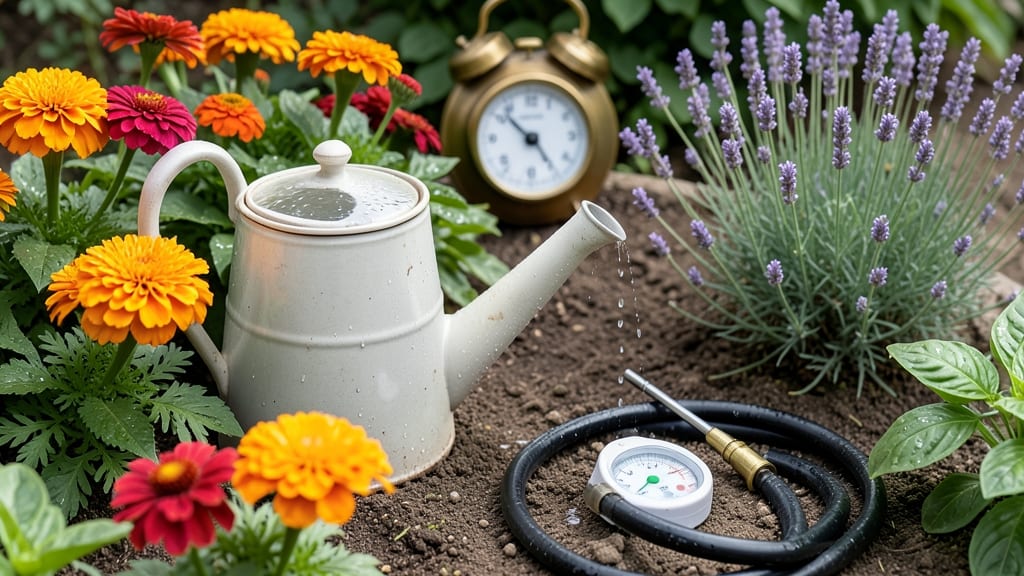
You need to water your garden based on plant types, soil, and weather—not just a set schedule.
Overwatering kills plants faster than droughts—yet most gardeners guess their watering schedule instead of following science-backed rules. Discover the exact frequency your garden actually needs, tailored to your plants and soil.
In Zone 6a, spring planting means deep watering once a week for most General Garden Plants 🌱, but herbs and shallow-rooted veggies may need twice-weekly checks. Summer? That’s where the real adjustments begin.
Below, I break down the science-backed schedule by plant type, how to read your soil’s thirst signals, and when to cut back as temperatures drop. No more guesswork—just healthy roots and happy harvests.
Watering frequency by plant type: a science-backed schedule
Watering your garden isn't about following a one-size-fits-all rule—it's about understanding your plant types, soil composition, and climate conditions. Most gardeners overwater by default, thinking plants need constant moisture, but root depth and drought tolerance dictate real needs.
For example, tomatoes with deep roots thrive with deep weekly watering, while marigolds prefer light frequent moisture in sandy soil.
Your soil type changes everything: clay soil holds moisture longer, while sandy soil drains quickly. Even the growth stage matters—seedlings need daily misting, but established roses can go 5-7 days between waterings. Let's break down the science so you can water with confidence, not guesswork.
Pro Tip: Always water early morning (before 10 AM) to reduce evaporation and fungal risks. Avoid evening watering, which keeps foliage damp overnight—an open invitation to powdery mildew.
For vegetables like tomatoes, deep roots mean you should water every 2-3 days in sandy soil and every 5-7 days in clay. The key is to soak the soil until water drains 6-8 inches deep.
Use a soil probe or your finger to check—if the top 2 inches are dry, it's time to water.
Herbs like basil and parsley are finicky—they hate drying out but also root rot from soggy soil. In sandy soil, mist them daily, while clay soil can stretch that to every 3-4 days. Always water at the
How to tell if your garden needs water (without guessing)
Your garden’s watering needs aren’t a guessing game—they’re written in the soil and plant behavior. Overwatering suffocates roots, while underwatering stunts growth, yet most gardeners rely on intuition. Instead, use these science-backed methods to read your garden’s thirst signals like a pro.
Start by checking the soil moisture at the root zone, not the surface. Topsoil can stay damp while roots dry out—this is where most mistakes happen. Below, I’ll show you 5 foolproof tests to avoid both drought stress and soggy soil, plus tools to automate the process for busy gardeners.
- 1 The Squeeze Test: Grab a handful of soil from 1-2 inches deep. If it crumbles easily, water now. If it stays clumped, wait 1-2 more days. For sandy soil, squeeze harder—it dries faster.
- 2 Stick Method: Insert a wooden chopstick or screwdriver into the soil. If it comes out clean, water immediately. If dirt clings, wait. For container plants, check the bottom—if dry, it’s time.
- 3 Plant Leaves Speak: Wilted leaves (especially in morning) mean thirst, but yellowing leaves signal overwatering. For succulents and herbs, wrinkled leaves = dry; mushy stems = too wet.
- 4 Digital Moisture Meters: Tools like the XLUX Soil Moisture Meter give instant readings. Set alerts for 30-50% moisture (ideal for most plants). Perfect for vegetable gardens with mixed water needs.
- 5 Automate with Drip Irrigation: Install smart timers or weather-based controllers to deliver 1-2 inches of water weekly (adjust for rain). Add moisture sensors to pause during downpours.
For Zone 6a gardens, I recommend testing soil moisture every 2-3 days in summer and weekly in spring/fall. Clay soil holds moisture longer—wait until it’s bone-dry before watering again, while sandy soil may need daily checks during heatwaves.
Pro tip: Water deeply but infrequently to encourage roots to grow downward. A 5-minute soak with a hose or drip system beats shallow sprinkles. For potted plants, lift them—if the pot feels light, it’s time to water.
Listen to your plants—they’ll tell you exactly what they need. Start with these methods today, and you’ll never over- or underwater again. Happy gardening! 🌱