Fertilization
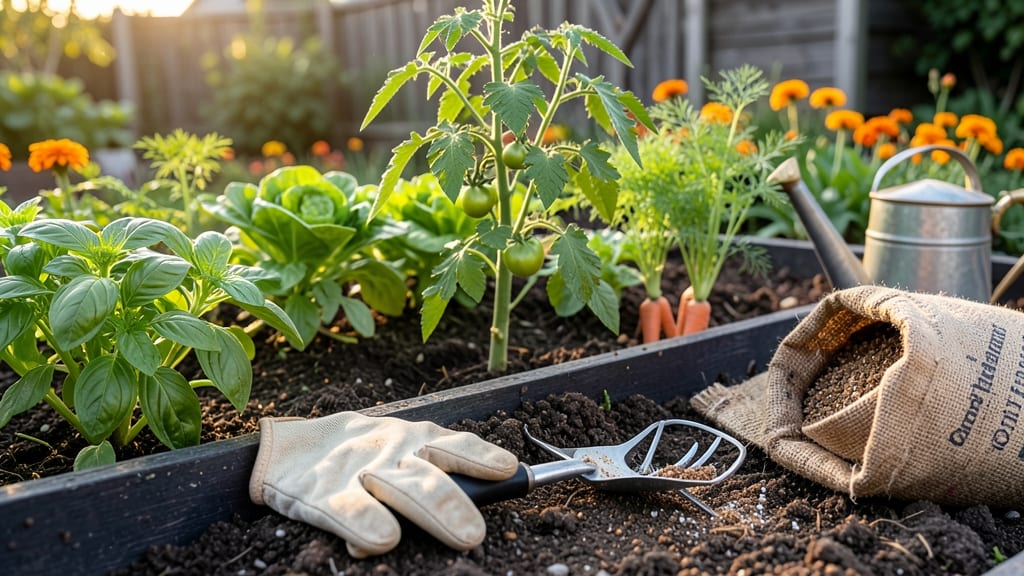
Fertilizing your garden too often or too little can leave your plants struggling — the right schedule depends on soil health, plant type, and season.
Picture this: you’re watering your 🌱 with care, but the leaves stay yellow and growth stalls. Maybe you’re overdoing it, or maybe your soil is starving for nutrients. The key? A soil test tells you exactly when to feed — and when to hold back.
Most gardeners guess, but guessing leads to wasted fertilizer or burned roots. I’ll show you how to read your soil’s needs, adjust for vegetables, flowers, and lawns, and avoid the biggest mistake — fertilizing when your plants don’t need it.
By the end, you’ll have a custom schedule that keeps your garden thriving without the guesswork. Let’s get started.

Soil-test-based fertilizing schedule: when and how often to feed your plants
Soil testing isn't just about knowing your pH levels—it's the foundation for creating a custom fertilizing schedule that keeps your garden thriving without waste. Most home gardeners over-fertilize by 30% simply because they don't adjust based on their soil's actual needs.
A proper test reveals whether your soil is nutrient-deficient, balanced, or even overloaded with certain minerals.
The three key numbers to focus on are NPK ratios (Nitrogen, Phosphorus, Potassium) and your soil pH. For example, tomatoes love slightly acidic soil (pH 6.0-6.8) with a 5-10-10 fertilizer ratio, while blueberries need acidic soil (pH 4.5-5.5) with a 10-10-10 blend.
Ignoring these specifics means you're either starving your plants or drowning their roots in excess salts.
Seasonal adjustments are equally critical. Your spring feeding should focus on nitrogen for leafy growth, while summer applications prioritize potassium for fruit development. Fall is all about phosphorus for root strengthening. Many gardeners make the mistake of fertilizing year-round, but winter is typically a rest period for most plants.
| Soil Condition | NPK Recommendation | Fertilizing Frequency | Seasonal Adjustments |
|---|---|---|---|
| Low Nitrogen (<60 ppm) | 10-0-0 or 5-5-5 | Every 3-4 weeks spring/summer | Spring focus only |
| Balanced Soil (60-120 ppm NPK) | 5-10-10 or 10-10-10 | Every 4-6 weeks | Spring/summer only |
| High Phosphorus (>100 ppm P) | 0-20-20 or bone meal | Every 8-12 weeks | Fall planting prep |
| pH < 6.0 (Acidic) | Elemental sulfur + 10-10-10 | Monthly until pH stabilizes | Spring adjustment |
| pH > 7.5 (Alkaline) | Peat moss + 5-5-5 | Every 6 weeks | Spring/fall |
For vegetable gardens, most plants benefit from a bi-weekly feeding during active growth (spring to early fall), but heavy feeders like corn or squash may need weekly applications. The key is to split your fertilizer into smaller doses rather than dumping it all at once.
For instance, a 10-10-10 fertilizer applied every 3 weeks delivers nutrients more effectively than a single large dose.
Flowers have different needs—annuals like marigolds respond well to monthly feedings with a 5-10-5 blend, while perennials such as roses thrive on slow-release granules applied in early spring and fall.
Lawns are the most forgiving; they typically need just 2-4 feedings per year, with the first in early spring and the last in late summer. Always water thoroughly after applying fertilizer to prevent root burn.
One common mistake is assuming that organic fertilizers don't require as strict a schedule. While they release nutrients more slowly, they still need to be reapplied based on your soil test results.
For example, compost tea can be used every 2 weeks, but you'll still need to monitor plant responses. The goal is consistent nutrient availability, not just occasional boosts.
Timing matters just as much as quantity. Always fertilize in the early morning or late afternoon to avoid leaf burn from midday sun. For container gardens, fertilize every 2-3 weeks during the growing season, but cut back in winter.
Remember, less is often more—your plants will tell you when they've had enough through their growth patterns.
Start by testing your soil in early spring before planting. Then, retest every 2-3 years or if you notice poor plant performance. Adjust your schedule based on the results, and don't forget to rotate crops to prevent nutrient depletion in specific areas of your garden.
With a soil-test-based approach, you'll achieve healthier plants, better yields, and less waste—all while keeping your garden looking its best.
🌱
Common plant types and their ideal fertilizing frequency
Not all plants need fertilizing on the same schedule—your tomatoes and roses have completely different hunger levels! I’ve grown both, and I’ve learned the hard way that over-fertilizing can be just as damaging as under-feeding. The key is matching your fertilizing frequency to the plant’s growth stage and type.
Liquid fertilizers require more frequent applications than slow-release granules, and vegetables like peppers need a different approach than ornamental marigolds. Let’s break down the ideal schedules so you can keep your garden thriving without the guesswork.
🌱 Fertilizing Frequency by Plant Type
Vegetables (Tomatoes, Peppers, Cucumbers)
Every 2-3 weeks with liquid fertilizer or once every 6-8 weeks with slow-release granules. Start when plants are 4-6 inches tall and switch to low-nitrogen fertilizer during flowering.
Flowers (Roses, Marigolds, Petunias)
Every 4-6 weeks with balanced fertilizer (10-10-10). Roses need extra phosphorus in spring, while marigolds thrive on low-frequency feeding—once every 8 weeks is often enough.
Lawns (Cool-Season vs. Warm-Season Grasses)
Cool-season grasses (like fescue) need feeding 4 times per year (spring, summer, fall). Warm-season grasses (like Bermuda) thrive with 2-3 feedings during their active growing season (spring-summer).
Slow-Release vs. Liquid Fertilizers
Slow-release granules last 3-6 months per application, while liquid fertilizers require bi-weekly feeding. For example, my tomatoes get liquid fertilizer every 2 weeks in summer, but my roses get slow-release granules just twice in spring.
Seasonal adjustments are crucial—your lawn might need more frequent feeding in spring and fall, while vegetables like peppers demand extra nutrients during their fruiting phase. Always water before and after fertilizing to prevent root burn, and avoid feeding when plants are stressed (like during extreme heat or drought).
Pro tip: If you notice yellow leaves or stunted growth, your plants might be hungry—but don’t jump to fertilizing! Test your soil first. A simple pH test can reveal if your plants need nitrogen, phosphorus, or potassium adjustments. I’ve saved countless plants by catching nutrient deficiencies early.
Remember, the goal isn’t to fertilize as often as possible—it’s to match your garden’s needs. Start with a soil test, then adjust based on plant type, season, and fertilizer type. Your garden will thank you with vibrant blooms and bountiful harvests! 🌿