Watering
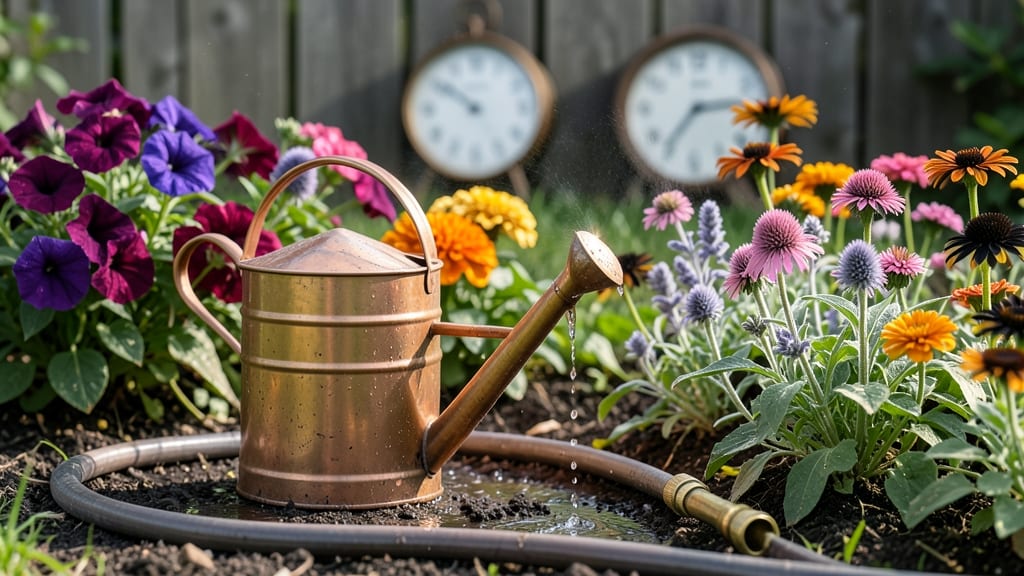
Watering a flower garden the right number of times keeps your 🌸 blooms thriving without wasting a drop — and getting it wrong can mean drooping petals or wasted effort.
Struggling to keep your flower garden vibrant without overwatering or drowning delicate petals? The right watering schedule can mean the difference between a lush, blooming paradise and wilted disappointment.
Most gardeners guess based on memory, but soil type, plant species, and seasonal shifts actually change everything. A drought-tolerant lavender in summer needs far less than a thirsty rose in July, and clay soil holds moisture differently than sandy loam.
Here’s how to match your watering to the season, plant type, and weather — plus how to spot when you’re over- or under-doing it before it’s too late.
How often to water flower gardens by season: a month-by-month guide
Watering your flower garden isn't a one-size-fits-all task—it changes dramatically with the seasons. In spring, young roots need consistent moisture to establish, while summer's scorching heat demands deep, frequent watering.
Fall slows growth, and winter often requires minimal watering. Understanding these shifts prevents root rot or wilting while keeping your blooms thriving.
Your garden's soil type also plays a critical role. Sandy soil drains quickly, needing more frequent watering, while clay soil holds moisture longer. Even rainfall patterns can adjust your schedule—always check soil moisture 1-2 inches deep before watering.
Let's break down the perfect watering rhythm for each month to keep your flowers happy year-round.
Spring kicks off with gentle but consistent watering—aim for 1 inch of water per week, including rainfall. March and April focus on root establishment, so water deeply to encourage strong growth.
Use a soaker hose or drip irrigation to deliver moisture directly to the soil, reducing evaporation and fungal risks.
Summer is the most demanding season for watering. Most flowers need 1-2 inches of water weekly, but daily checks are essential during heatwaves. Deep watering in the morning (before 10 AM) prevents stress and fungal diseases.
Mulch with 2-3 inches of organic material like straw or wood chips to retain moisture and cool roots.
Fall marks a transition—reduce watering as temperatures drop. By October, most plants only need water when the top 1-2 inches of soil feel dry. This helps prepare perennials for winter dormancy. Avoid overwatering, which can lead to root rot in cool, damp soil.
Winter watering depends on your climate. In mild winters (USDA Zones 7-10), water bi-weekly if there's no snow cover. In colder zones, skip watering entirely—snow provides natural hydration. Always check soil moisture before watering; frozen ground prevents absorption.
Adjust your watering based on rainfall and soil type. After heavy rain, skip scheduled watering and wait until the soil dries slightly. For sandy soil, water more frequently but shallowly, while clay soil benefits from deeper, less frequent watering to prevent waterlogging.
Watch for signs of overwatering
Watering requirements for different flower types: drought-tolerant vs. water-loving plants
Not all flowers drink the same way—some thrive on neglect while others beg for a drink daily. Understanding your flower types and their watering needs is key to avoiding droopy petals or root rot.
For example, succulents store water in their leaves, while hydrangeas love consistently moist soil. Let’s break down the watering schedules for popular flowers so you can tailor your routine.
Your climate zone and soil drainage also play huge roles. In USDA Zone 6a, for instance, summer heat increases evaporation, so water-loving plants may need daily attention, while drought-tolerant varieties can stretch their watering to every 10-14 days.
Always check soil moisture by sticking your finger 1-2 inches deep—if it’s dry, it’s time to water.
Adjust your watering based on weather patterns—a scorching 90°F day in July may require daily watering for thirsty plants, while a cool 70°F morning in May could stretch watering to every 5-7 days.
Always prioritize deep watering over shallow sprinkles to encourage strong root growth. For container gardens, check soil moisture more frequently since pots dry out faster.
Pro tip: Group flowers with similar water needs together in your garden layout. This way, you can water entire sections at once, saving time and ensuring consistency. For example, plant drought-tolerant lavender near yarrow and water-loving hydrangeas near impatiens to streamline your routine.
Always water in the early morning to reduce evaporation and fungal risks.
Watch for visual cues like wilting leaves or crispy edges, which signal underwatering, or yellowing leaves and mold, which often mean overwatering. By matching your watering schedule to your plants’ natural preferences, you’ll enjoy a garden that’s both lush and low-maintenance. 🌸