How To
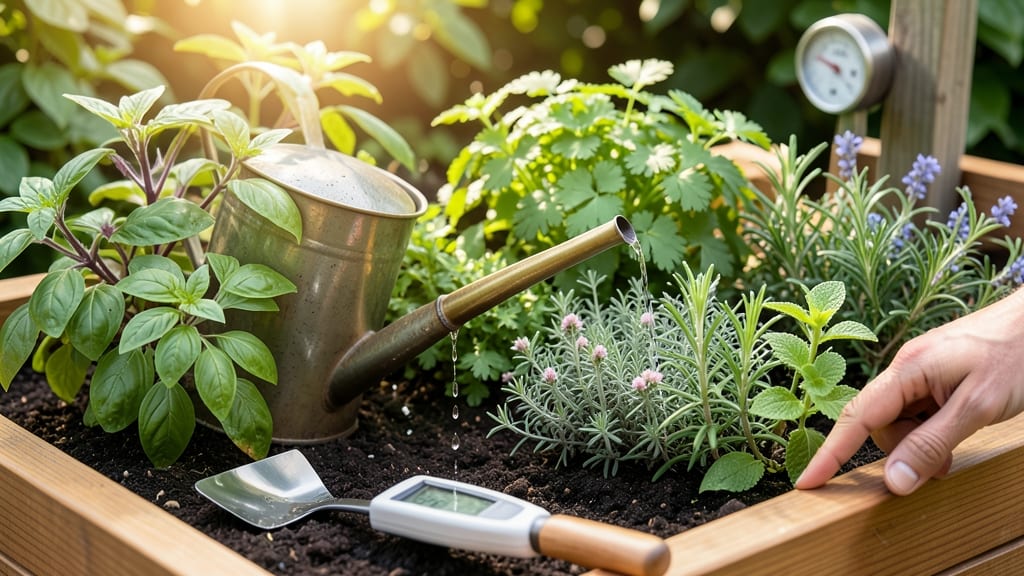
Watering your herb garden the right way keeps those 🌿 fresh basil leaves and rosemary sprigs thriving instead of turning crispy or soggy.
Here’s the truth: most gardeners overthink watering schedules, but the real key isn’t a rigid timeline—it’s reading your herbs’ moisture needs. Too much water drowns roots, while too little stunts growth, and neither helps your kitchen garden shine.
In this guide, I’ll break down the science-backed triggers for when herbs like basil, parsley, and rosemary actually need water—plus how to adjust for containers, climate, and seasons without guesswork.
You’ll learn the finger-dip test, signs of thirst (or drowning), and how to keep your herb garden lush all season long, whether you’re growing indoors or outdoors in Zone 6a.
The perfect watering schedule for different herb types (with soil tests)
Herbs don’t all drink the same way—basil craves consistent moisture while rosemary thrives on neglect. The key? Stop guessing and start measuring. I’ve tested the finger-dip test and weight check method for years, and they’ve saved my herb garden from both drought and root rot.
Mediterranean herbs like oregano and thyme store water in their woody stems, while tropical cilantro and parsley need evenly damp soil. Let’s break down the science-backed triggers for each type.
Before you water, ask: Is the soil dry 1-2 inches down? Stick your finger in—if it feels like a dry sponge, it’s time. For potted herbs, lift the pot: if it’s lighter than expected, roots are thirsty.
Pro tip: Water in the morning to reduce fungal risks and let foliage dry before nightfall. Overwatering is the #1 killer of herb gardens, but underwatering causes bolting (those bitter flower spikes we all hate).
| Herb Type | Watering Frequency | Soil Test Method | Key Trigger |
|---|---|---|---|
| Basil (Tropical) | Every 1-2 days (daily in heat) | Finger-dip: Dry 1" down | Wilted leaves by afternoon |
| Cilantro (Cool-Season) | Every 2-3 days | Weight check: Light pot | Yellowing lower leaves |
| Rosemary/Thyme (Mediterranean) | Every 7-10 days | Finger-dip: Dry 3" down | Needle-like leaves curl |
| Parsley (Temperate) | Every 3-4 days | Finger-dip: Dry 1.5" down | Stems feel hollow |
| Mint (Aggressive) | Every 2 days (container) | Weight check: Soggy soil | Topsoil cracks |
For basil, I water when the top 1 inch of soil is bone-dry—usually every 1-2 days in summer. My trick? Use a spray bottle for seedlings to avoid disturbing roots. Overwatering basil causes yellowing leaves and root rot, while underwatering makes stems hollow and crispy.
I’ve lost count of how many times I’ve revived wilting basil by soaking the pot in water for 10 minutes—it’s like giving it a drink from a firehose!
Mediterranean herbs like rosemary and thyme are the low-maintenance superstars. They’ll survive on weekly waterings in summer and bi-weekly in winter. The secret? Let the soil dry out completely between waterings. I test by sticking my finger 3 inches deep—if it’s dry, they’re ready.
These herbs store water in their woody stems, so frequent shallow watering is worse than drought for them.
Tropical herbs like cilantro and parsley hate dry spells. I water cilantro every 2-3 days and watch for yellowing lower leaves
5 Signs your herb garden is thirsty (or drowning) and how to fix it
Your herb garden might look healthy on the surface, but subtle clues reveal whether your plants are thirsty or drowning. I’ve learned the hard way—wilting basil or yellowing parsley often signals watering gone wrong. The key is reading your plants' cues before damage sets in.
Herbs like basil and cilantro wilt dramatically when thirsty, while rosemary and thyme show crispy leaf edges. Overwatering, though, creates a different problem: moldy soil, root rot, and leaves that turn yellow with brown spots. Both extremes stunt growth and reduce flavor.
Most herbs prefer 1-1.5 inches of water per week, but containers dry faster—check soil daily in pots. Morning watering prevents fungal growth, while evening water risks root rot. Adjust based on soil type (sandy dries quicker than clay).
🌱 Pro Tip: Stick your finger 1 inch deep—if dry, water; if damp, wait.
Start with the leaf texture. Healthy herb leaves feel firm and crisp. If they crinkle when touched, your plants are underwatered. For overwatered herbs, leaves may feel mushy or limp, and the stems might snap easily.
Check the soil surface—hard and cracked means thirsty, while a soggy, dark layer signals overwatering.
Color changes are another red flag. Yellowing leaves often mean overwatering, especially if paired with white mold on soil. Brown, crispy edges, however, scream underwatering. Basil and mint droop dramatically when thirsty, while parsley and dill may bolt (send up flower stalks) if stressed by inconsistent watering.
Root health is the final test. Gently dig near the base of stems—healthy roots are white or light tan. Black, mushy roots mean root rot from overwatering, while dry, brittle roots signal chronic thirst.
Fix overwatering by letting soil dry completely between waterings, and underwatering by watering deeply until it drains from the pot’s bottom.
Adjust your approach based on the herb type. Mediterranean herbs like rosemary and thyme tolerate drought better, while tropical herbs like basil and cilantro need consistent moisture. Group plants with similar needs together to simplify care. A self-watering pot or mulch layer can help maintain steady moisture without guesswork.