How To
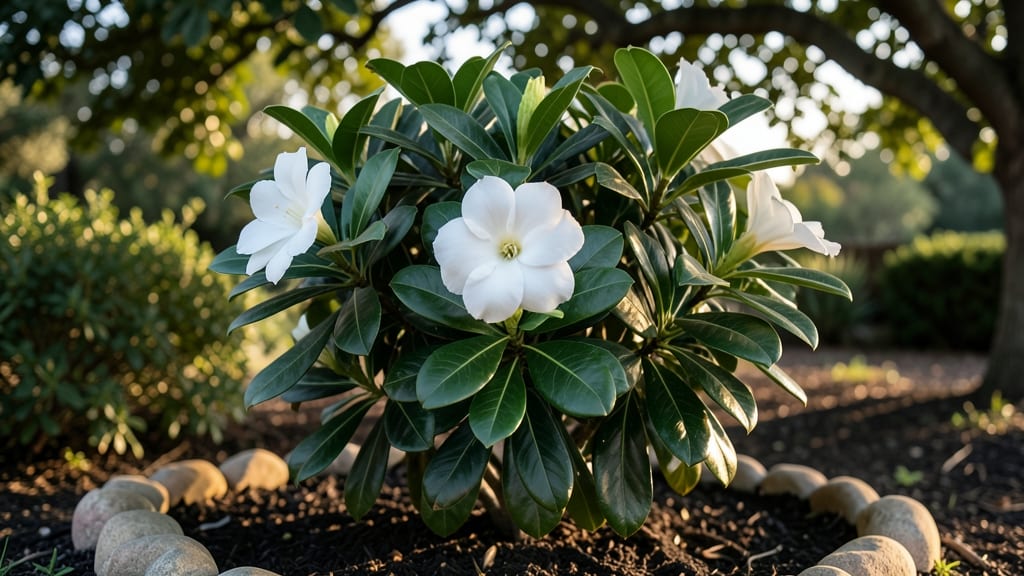
Gardenias can grow anywhere from 2 to 6 feet tall, depending on the variety and care you provide 🌸 — but many gardeners underestimate how much space these fragrant shrubs need.
If you're dreaming of fragrant blooms and lush foliage, gardenias could be your perfect garden addition—but first, you need to know: How tall can gardenias grow? The answer depends on the variety, and getting it right ensures your plant thrives without overpowering your space.
Some gardenias stay compact, perfect for containers or small gardens, while others reach towering heights, making them ideal for privacy screens or bold landscaping statements. Understanding these differences is the key to choosing the right type for your outdoor space.
In this guide, I’ll break down the height ranges for popular varieties, share tips for controlling growth through pruning, and help you pick the perfect gardenia for your garden’s layout—whether you want a dwarf variety or a towering shrub.

Gardenia height by variety: dwarf to giant sizes explained
Choosing the right gardenia variety isn't just about fragrance—it's about height. Some varieties stay compact enough for containers, while others grow into small trees. Understanding these differences helps you plan your garden layout and avoid overcrowding.
Let’s explore the height ranges of popular gardenias so you can pick the perfect fit for your space.
The most common gardenia, Gardenia jasminoides, typically reaches 4–6 feet tall at maturity. This variety thrives in warm climates and produces heavy, fragrant blooms that make it a standout in landscapes. However, its height can vary based on growing conditions, pruning habits, and even the specific cultivar you choose.
Dwarf varieties like 'Radicans' or 'Kleim's Hardy' stay under 3 feet tall, making them ideal for patio containers or foundation plantings. These compact options are perfect if you love gardenias but have limited space. Meanwhile, larger varieties like 'Veitchii' can grow up to 8 feet tall, offering dramatic height for privacy screens or tropical backdrops.
If you're growing gardenias in containers, expect slightly smaller sizes due to root restriction. For example, a 'Radicans' gardenia in a 15-gallon pot might stay under 2 feet tall, while the same variety in the ground could reach 3 feet.
Container gardening also lets you control height more easily by uprooting and repotting as needed.
Another factor affecting height is pruning. Regular pruning keeps gardenias shapely and compact. For instance, if you prune back 'Veitchii' gardenias by one-third each spring, you can maintain a 6-foot height instead of letting them grow wild to 8 feet.
Just avoid heavy pruning in late summer, as this can reduce next year’s blooms.
Climate plays a role too. Gardenias grown in warmer USDA zones (8–11) tend to grow taller and more vigorously than those in cooler zones (6–7).
For example, 'Kleim's Hardy', a cold-tolerant variety, might only reach 3 feet in zone 6 but could grow to 4 feet in zone 9. Always check your local climate conditions when selecting a variety.
For small spaces, consider dwarf varieties like 'Fortuniana', which stays under 2 feet tall and is perfect for window boxes or balcony gardens. If you're designing a tropical-themed garden, larger varieties like 'Veitchii' or 'Augusta' will add drama and height.
Just remember: soil acidity (pH 5.0–6.5) and consistent moisture are key to encouraging healthy growth in any variety.
When planning your garden, measure the mature height of your chosen gardenia and leave at least 3 feet of space around it for airflow. Overcrowding can lead to pests, disease, and stunted growth.
With the right variety and care, your gardenia will reward you with years of fragrant blooms—no matter its size!
How to control gardenia height: pruning and care tips for compact growth
Controlling your gardenia's height starts with understanding its natural growth patterns. Most varieties grow 3–4 feet in their first three years, but with the right care, you can shape them to stay compact or bushier 🌿.
The key lies in pruning techniques, sunlight exposure, and soil conditions—all of which directly impact how tall your gardenia will become.
Pruning isn’t just about cutting back overgrowth; it’s about encouraging balanced growth and preventing leggy stems. I’ve found that light pruning in early spring promotes denser foliage, while hard pruning after blooming helps control height. But timing matters—prune too late, and you risk sacrificing next year’s flowers.
Before diving into pruning, let’s address a common concern: how tall can gardenias grow without intervention? Without pruning, many varieties can reach 6 feet or taller, especially in warm climates.
However, with regular maintenance, you can keep them at a manageable 3–4 feet, perfect for containers or small gardens.
Watch Out: Over-Pruning Risks
Pruning too aggressively can stunt growth or reduce flowering. Never cut more than 1/3 of the plant’s height in a single session, and avoid pruning in late summer or fall, as this can delay next year’s blooms.
Sunlight plays a critical role in height control. Gardenias thrive in partial shade—about 4–6 hours of morning sun—which promotes bushier growth. Too much direct afternoon sun can cause leggy stems, while too little shade may result in sparse foliage.
I recommend placing your gardenia near an east-facing window or under a light dappled canopy for ideal conditions.
Soil conditions are equally important. Gardenias prefer acidic, well-draining soil with a pH of 5.0–6.5. Poor soil can lead to stunted growth or nutrient deficiencies, so I always amend the soil with peat moss or compost before planting.
A slow-release acidic fertilizer applied in early spring also encourages healthy growth without excessive height spikes.
Common mistakes like overwatering or using alkaline soil can cause gardenias to grow slowly or develop yellow leaves. I’ve seen gardeners struggle with root rot from soggy soil, which weakens the plant and limits its ability to reach its full height.
Always ensure your gardenia has well-draining soil and water only when the top inch feels dry.
For a compact gardenia, focus on regular pruning, proper sunlight, and acidic soil. With these tips, you can enjoy fragrant blooms without the plant overpowering your space—whether you want a dwarf variety or a neatly trimmed shrub 🪴.