How To
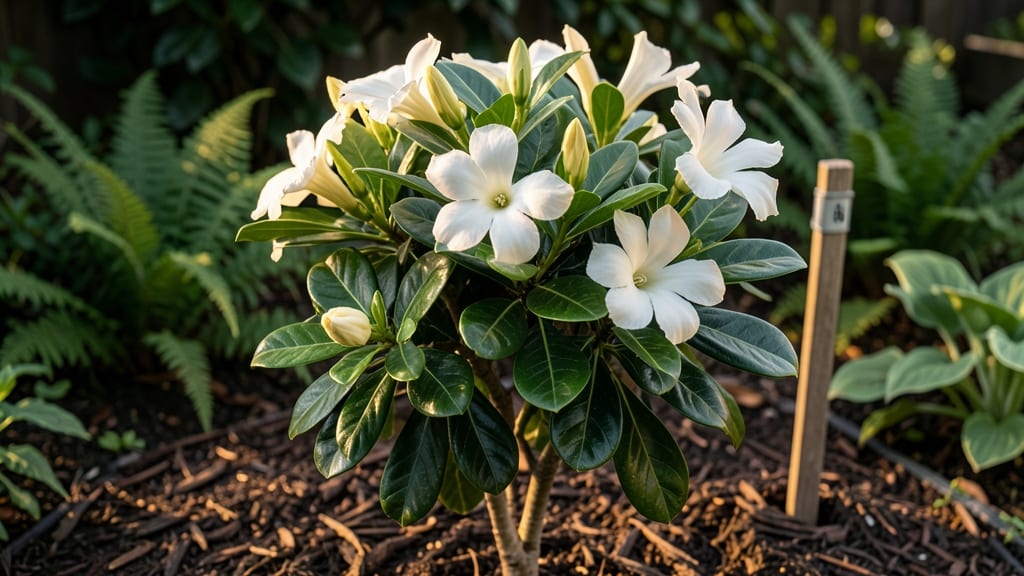
If you're wondering how tall do gardenias grow, the answer depends on the variety and growing conditions—these fragrant, glossy shrubs typically mature between 3 and 6 feet, making them versatile for gardens of all sizes.
If you're dreaming of fragrant, glossy gardenias but wondering whether they’ll fit your garden’s height restrictions, you’re in the right place. These tropical beauties vary dramatically in size—from compact shrubs to towering small trees—depending on the variety and how you grow them.
For example, the classic Gardenia jasminoides 🌸 typically reaches 4 to 6 feet with proper care, while dwarf varieties stay under 3 feet, ideal for containers or small spaces. Pruning, sunlight, and soil quality all play a role in how tall they grow.
In this guide, I’ll break down exact height ranges by variety, share tips for controlling growth, and help you pick the perfect gardenia for your space—whether you want a fragrant hedge or a showstopping centerpiece.

Gardenia height by variety: exact growth ranges for popular types
Choosing the right gardenia variety means understanding their mature heights—some stay compact while others grow into small trees. The Gardenia jasminoides, the most common type, typically reaches 4–6 feet tall with proper care. But if you have limited space, dwarf varieties like 'Radicans' stay under 2 feet.
Each variety has distinct growth habits, so let’s break down the exact ranges to help you plan your garden layout.
Height isn’t the only factor—growth rate matters too. Most gardenias grow 12–24 inches per year when happy, but pruning and sunlight can speed this up. For example, Gardenia augusta grows faster in warm climates, reaching 6–10 feet in ideal conditions.
Meanwhile, 'Kleim’s Hardy', a cold-hardy hybrid, maxes out at 3–5 feet but thrives in cooler zones.
Here’s a quick reference for the most popular varieties, including their mature heights and growth habits to fit your space:
If you’re growing gardenias in containers, expect heights to stay 20–30% shorter than their ground-planted counterparts. For example, a Gardenia jasminoides in a 15-gallon pot might max out at 3–4 feet instead of 6. Root-bound plants grow slower, so upgrade pots every 2–3 years to encourage vertical growth.
For taller varieties like Gardenia augusta, plan for structural support if planting near walkways. These can reach 10 feet in ideal conditions, so stake young plants to prevent flopping.
Prune in late winter to shape and control height—never cut back more than 1/3 of the plant at once to avoid stress.
Climate also plays a role. In USDA Zones 8–11, gardenias grow faster and taller due to longer growing seasons. But in Zones 6–7, even cold-hardy varieties like 'Kleim’s Hardy' may stay shorter unless protected with mulch and microclimates. Always check your zone before choosing a variety.
Pro tip: Pinch back new growth in early summer to encourage bushier, shorter growth. This works especially well for Gardenia jasminoides and 'Veitchii', keeping them compact while boosting bloom production. Just avoid heavy pruning after June 1st, as new growth won’t harden off before winter.
Now that you know the exact heights, you can match varieties to your space. Need a fragrant hedge? Go for Gardenia jasminoides. Want a container star?
Try 'Radicans'. And for tropical drama, Gardenia augusta is unbeatable. Just remember: soil pH (5.0–6.0) and consistent moisture are non-negotiable for reaching these heights!
How growing conditions affect Gardenia height: pruning, soil, and climate
Your gardenia’s height isn’t set in stone—it’s shaped by how you care for it. Pruning, soil quality, and climate conditions can push your plant toward becoming a 6-foot small tree or keep it as a 3-foot bush.
Let’s break down how each factor influences growth so you can tailor your care to your garden’s needs.
Start with pruning, the most direct way to control height. Gardenias respond well to light pruning after flowering to encourage bushier growth. For taller varieties like Gardenia jasminoides, I recommend pruning back 1/3 of new growth in early spring to maintain a 4-5 foot height.
Over-pruning can stunt growth, while neglecting pruning leads to leggy, top-heavy plants.
🌱
🌱 Height Control Tip
A 3-foot gardenia thrives with annual pruning to remove old wood and shape growth. For taller varieties, prune selective branches rather than shearing—this prevents woody growth and keeps blooms abundant.
Next, soil quality plays a hidden but critical role. Gardenias crave acidic, well-draining soil with a pH of 5.0-6.0. Poor soil with high pH or compacted clay can slow growth by 30-50%, leaving your plant stunted.
Amend your soil with peat moss or pine bark to create the ideal environment. I’ve seen gardenias in rich, loamy soil reach their full 6-foot potential in just 3 years, while those in sandy or alkaline soil struggle to exceed 3 feet.
Don’t underestimate sunlight exposure, either. Gardenias need 4-6 hours of morning sun but can scorch in hot afternoon sun. In USDA Zones 8-10, they thrive in partial shade, growing 2-3 feet taller than those in full sun.
If you’re in a cooler climate (Zones 6-7), provide full sun to encourage robust growth—just watch for leaf burn in peak summer.
Finally, climate zone dictates how tall your gardenia can grow. In humid, tropical climates like Florida or Hawaii, gardenias grow faster and taller, often reaching 6-8 feet without intervention. In drier or cooler regions, growth slows, and mature heights rarely exceed 4 feet.
To compensate, I recommend mulching in colder zones to protect roots and using windbreaks to reduce stress.
With the right balance of pruning, soil care, and climate awareness, you can shape your gardenia to fit your space perfectly—whether you want a compact bush for containers or a tall specimen for your backyard focal point. 🌿