Pests
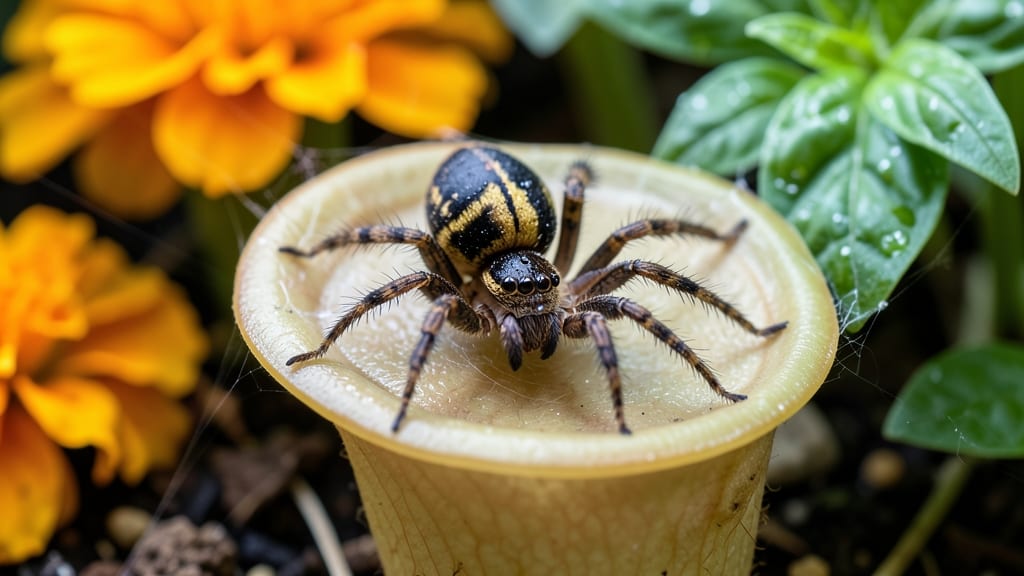
Keeping insects away from your garden naturally means protecting your hard-earned plants without toxic sprays or expensive traps.
Picture this: You’ve spent weeks nurturing your garden, only to wake up one morning and find your prized tomatoes skeletonized by beetles or your basil leaves riddled with holes. It’s enough to make any gardener want to toss in the trowel—but there’s a better way.
With the right natural barriers, you can create a garden that pests avoid like a bug-free fortress. From strategic planting to DIY sprays, these methods work fast and keep your soil—and your sanity—intact.
Below, I’ll show you the top 7 repellent plants and techniques that actually stop insects in their tracks.
No more guessing games or last-minute scrambles—just a pest-free harvest from seed to table. Ready to reclaim your garden? Let’s get started.
Top 7 natural barriers to repel common garden insects
If you’ve ever spent hours nurturing your garden only to watch aphids devour your tomatoes or slugs turn your hostas into Swiss cheese, you know how frustrating pests can be. The good news?
You don’t need harsh chemicals to keep your garden safe. Natural barriers—like plant-based repellents, physical shields, and soil treatments—can work just as effectively, often immediately.
Many of these solutions rely on science-backed methods, such as interrupting insect life cycles or masking plant scents that attract pests. The best part? These barriers are eco-friendly, safe for your pollinators, and won’t leave harmful residues on your produce.
Whether you’re dealing with beetles, caterpillars, or deer, these strategies will give your garden the protection it deserves without compromising its health.
One of my favorite immediate solutions is diatomaceous earth. I’ve used it for years to protect my strawberry plants from slugs and earwigs. The key is applying it d
How to create a long-term pest-resistant garden layout
A pest-resistant garden starts with smart design. Instead of treating problems after they appear, use permaculture principles to create a layout that naturally deters insects. This means strategic planting, companion crops, and trap crops—all working together to minimize infestations before they begin.
The key is diversity: bugs hate confusion, and a well-planned garden gives them exactly that.
Begin by mapping your garden in zones. Place repellent plants like marigolds, basil, and garlic near vulnerable crops. These act as natural barriers that mask the scent of your edibles, making it harder for pests to find their targets.
For example, basil repels thrips and whiteflies, while nasturtiums deter aphids and squash bugs. Think of these as your garden’s first line of defense.
| Method | Best For | Effectiveness | Ease of Use |
|---|---|---|---|
| Companion Planting | Tomatoes, peppers, herbs | High | Easy |
| Trap Crops | Cabbage moths, beetles | Very High | Moderate |
| Physical Barriers | Slugs, rabbits | Moderate | Easy |
| Intercropping | Root crops, leafy greens | High | Moderate |
| Diverse Planting | All crops | Very High | Moderate |
Next, incorporate trap crops like radishes or mustard greens to lure pests away from your main plants. These sacrificial crops attract bugs with their strong scents, giving you a chance to remove them before they spread.
For example, plant radishes near your cabbage to draw flea beetles away. It’s like setting up a decoy—except the decoy is edible and won’t ruin your harvest.
Don’t forget about garden layout. Use tall plants like sunflowers or corn as windbreaks to create microclimates that discourage pests. Place heavy feeders like tomatoes and peppers in the center of your garden, surrounded by lighter feeders like lettuce and herbs.
This layered approach disrupts pest navigation and makes it harder for them to locate your most vulnerable plants.
Finally, add mulch and ground covers like clover or straw to suppress weeds and retain moisture. These not only improve soil health but also create an environment where beneficial insects—like ladybugs and lacewings—thrive.
A healthy ecosystem means fewer pests, because nature’s balance will keep them in check. With these strategies, your garden will become a fortress against insects, not a buffet.
Start small, observe what works, and adjust your layout each season. Over time, you’ll create a self-sustaining, pest-resistant garden that requires minimal intervention. Your future self—and your plants—will thank you. 🌱