Planting
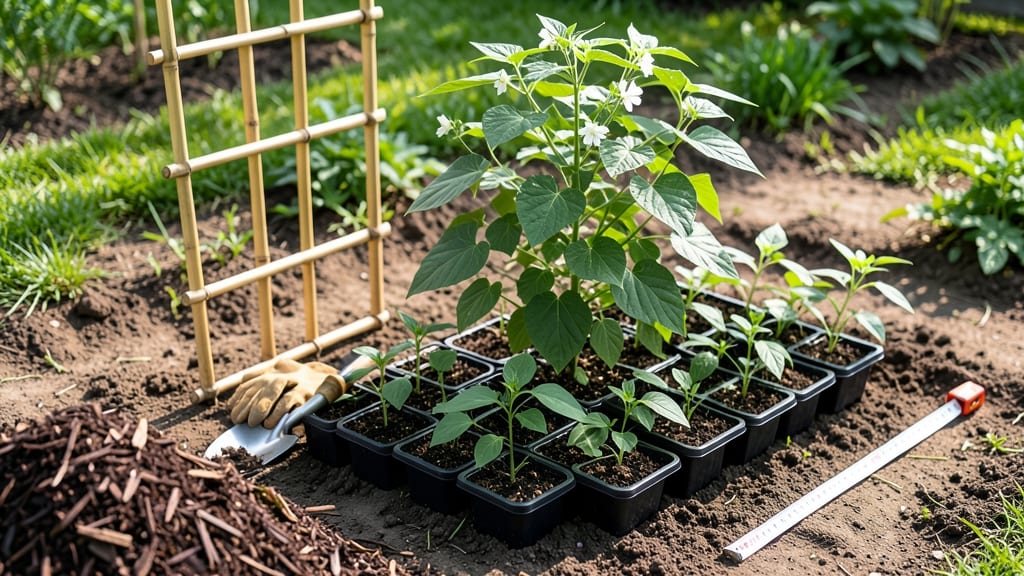
To plant string beans in a garden, start by sowing seeds 1 inch deep in warm soil after the last frost—this triggers fast germination and sets up a thriving harvest.
Picture this: you’ve waited all spring for those first green shoots, only to stare at bare soil for weeks. The difference between a quick sprout and a frustrating delay often comes down to soil temperature, seed depth, and sunlight.
Get these right, and you’ll be harvesting tender pods in just 55 days.
String beans thrive in full sun and well-draining soil, but their success hinges on planting them at the perfect depth and spacing. Too shallow, and they’ll dry out; too deep, and they’ll rot before sprouting.
Below, I’ll walk you through the exact steps—from soil prep to post-planting care—to ensure your beans grow strong and steady.
You’ll also discover how to avoid common pitfalls like overwatering, poor drainage, and crowding, plus which companion plants keep pests away. By the end, you’ll have a foolproof method for planting string beans that even beginners can master.

Optimal soil depth and planting techniques for string beans
Planting string beans at the right depth and spacing is the foundation for rapid germination and healthy growth. Unlike many vegetables, string beans thrive when sown just 1-2 inches deep—too shallow, and they struggle to anchor; too deep, and they rot before sprouting.
The key is balancing moisture, temperature, and airflow to trigger those first green shoots within 7-14 days.
Soil temperature plays a critical role—string beans won’t germinate well below 60°F. Use a soil thermometer to confirm warmth before planting. If your spring soil is still chilly, consider a black plastic mulch to warm it faster.
I’ve found that waiting for consistent 65°F+ days nearly doubles my germination success rate.
Spacing matters just as much as depth. Plant seeds 4-6 inches apart in rows spaced 18-24 inches apart to prevent crowding. Overcrowded plants compete for nutrients, leading to stunted growth and fewer pods.
For bush varieties, you can tighten spacing to 3-4 inches apart, but pole beans need that extra room to climb and spread.
Now, let’s break down the essentials in one quick reference:
If your string beans take longer than 2 weeks to sprout, check for seed viability—old seeds may need refreshing. I’ve also noticed that overwatered soil can suffocate seeds, so aim for consistent moisture (not soggy) until germination.
A light misting with a spray bottle keeps seeds hydrated without compacting the soil.
For pole beans, plant seeds near trellises or stakes at the time of sowing. This prevents transplant shock later. I’ve seen dramatic yield increases by training vines early—just tie them loosely with soft twine as they grow.
Bush beans don’t need support, but they benefit from staking individual plants if winds are strong in your area.
One common mistake is planting too early in cool, wet soil. Cold soil slows germination and invites fungal diseases like damping-off. To test readiness, press your finger into the soil—if it feels like a warm sponge (not muddy), it’s time to plant.
I always mark my calendar for 2 weeks after the last frost as my target date.
After planting, keep the soil moist but not waterlogged until seeds sprout. Once seedlings emerge, reduce watering slightly to 1 inch per week and focus on mulching to retain moisture. A 2-inch layer of straw or shredded leaves works wonders in my garden, cutting down on weeds and evaporation.
Troubleshooting slow sprouts? Start with a soil test—string beans prefer pH 6.0-7.0. If your soil is too acidic, amend it with lime 2-3 weeks before planting.
I’ve also had success with a seed starter solution (1 part hydrogen peroxide to 20 parts water) to prevent rot in stubborn seeds.
With these techniques, you’ll see those first green tendrils breaking soil in 7-10 days—and a harvest ready in just 50-60 days. The secret isn’t just depth or spacing; it’s the confidence of knowing you’ve given your plants the perfect start. Happy planting! 🌱
Step-by-step planting process for maximum yield
Ready to plant your string beans? Follow this step-by-step guide to ensure fast germination and a high-yield harvest. The key is preparing your soil correctly, planting at the right depth, and maintaining consistent care.
Whether you're growing in ground beds or containers, these steps will set you up for success.
Start by choosing a sunny location with at least 6-8 hours of sunlight daily. String beans are sun-worshippers, and they’ll reward you with vigorous growth if they get enough light.
If your garden gets partial shade, opt for bush varieties like ‘Blue Lake’ instead of pole beans, which need more support.