
Size
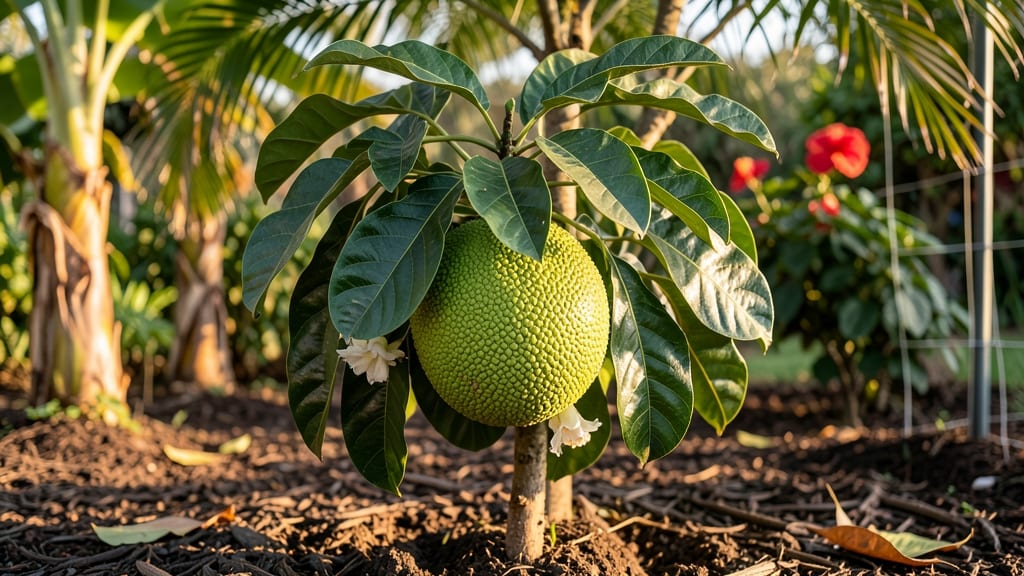
Yes, is sugar apple a tropical fruit you can grow in a garden, but it thrives best in warm climates, requiring USDA zones 10-12 or container cultivation in cooler regions. Its delicate nature demands careful garden planning, including frost protection and specific soil conditions for optimal growth and fruiting.
Is sugar apple a tropical fruit you can grow in a garden? Yes, it is! Native to the Andes Mountains, sugar apple (or cherimoya) truly belongs in tropical or subtropical climates. 🌴 The tree needs consistent warmth—temperatures below 40°F can kill it—and thrives in high humidity, which is why USDA zones 10-12 are ideal. Even in those zones, you’ll need well-draining soil with a slightly acidic pH to prevent root rot, a common issue for tropical plants. For gardeners outside these zones, growing sugar apple in containers and bringing them indoors during winter is often the best solution.
What sets sugar apple apart is its sensitivity to cold, which affects both flowering and fruiting. The tree needs a period of warmth to trigger blooms, but even a light frost can destroy new growth.
This makes it a high-maintenance choice unless you live in a frost-free area or can create a microclimate with shade and wind protection. Many growers swear by using black plastic mulch in cooler zones to retain heat around the roots.
💡 In This Article
- Sugar Apple’s Tropical Climate Requirements Explained
- How to Grow Sugar Apple in Non-Tropical Gardens
Sugar apple’s tropical climate requirements explained
Sugar apple trees (Annona cherimola) are tropical natives that demand specific climate conditions to thrive. Their ideal temperature range sits between 70-85°F year-round, with any dip below 50°F triggering stress responses in the plant.
The tree’s leaves contain waxy cuticles that help retain moisture, but these adaptations only work effectively in high humidity environments—typically 60-80% relative humidity.
This explains why USDA zones 10-12 (like Southern California or Florida) are perfect for outdoor cultivation. 🌿 In these zones, the tree can grow to 15-20 feet tall, producing fruit within 3-5 years when given full sun exposure (6-8 hours daily).
The tree’s flowering mechanism is particularly sensitive to temperature shifts. Sugar apple flowers require a consistent warm period (above 65°F) to trigger blooming, but the buds are extremely frost-sensitive—even a brief exposure to 32°F can cause irreversible damage.
This explains why many commercial growers in cooler regions use greenhouses or shade cloths to maintain temperatures above 55°F during critical growth phases. The fruit itself develops best when nighttime temperatures stay above 60°F, which prevents premature dropping—a common issue in marginal climates.
Soil conditions play an equally crucial role in sugar apple cultivation. The tree prefers well-draining, slightly acidic soil (pH 5.5-6.5), rich in organic matter to support its shallow root system.
Heavy clay soils can lead to root rot, while sandy soils may not retain enough moisture for the tropical plant’s needs. In ideal conditions, the tree’s roots spread 2-3 feet wide but stay relatively shallow, making them vulnerable to drought stress.
This is why many growers use mulching techniques to maintain consistent soil moisture and temperature.
What most gardeners don’t realize is how sugar apple trees respond to seasonal changes. Unlike temperate fruit trees, sugar apple doesn’t have a true dormancy period—instead, it maintains active growth year-round in tropical climates.
This continuous growth cycle means the tree is always vulnerable to cold snaps, which can disrupt flowering and fruiting patterns. The tree’s leaves also contain high levels of tannins, which help protect against fungal infections in humid conditions but make the plant more susceptible to cold-related stress. 🌡️
For those considering sugar apple cultivation, understanding these climate requirements is essential. The tree’s tropical nature means it can’t tolerate even brief periods of freezing temperatures, which is why container growing becomes necessary in cooler regions.
The tree’s shallow root system also makes it sensitive to temperature fluctuations in the soil, requiring careful irrigation management.
When grown in ideal conditions, however, sugar apple trees can produce 20-30 fruits per season, each weighing 1-2 pounds and containing sweet, custard-like flesh that’s highly prized for its tropical flavor profile.
One fascinating aspect of sugar apple’s tropical nature is its relationship with pollinators. The tree’s flowers are primarily pollinated by beetles and bats in its native habitat, which explains why hand-pollination is often required in home gardens.
This pollination dependency adds another layer of complexity for growers outside the tropical zone, as they must either attract these pollinators or perform manual pollination to achieve fruit set. 🐝