
Tools
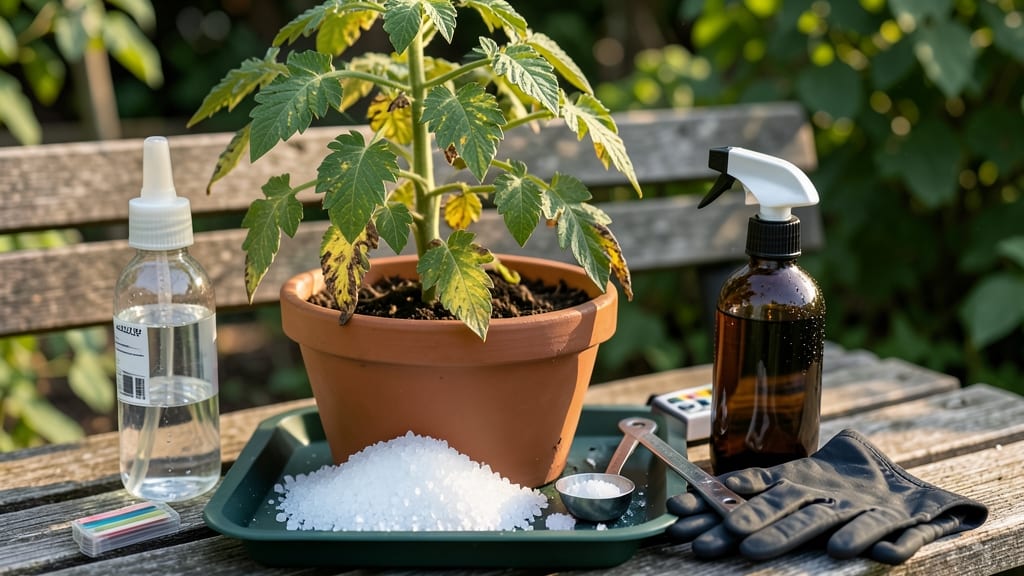
Using magnesium for gardens helps prevent yellowing leaves and enhances plant vigor by strengthening chlorophyll production and nutrient absorption, particularly in acidic or nutrient-depleted soils. Try Epsom salt (magnesium sulfate) or organic options like dolomitic lime as soil treatments or foliar sprays.
Magnesium acts as the backbone of chlorophyll, the green pigment that helps plants convert sunlight into energy. 🌿 When your garden shows signs like yellowing between leaf veins (interveinal chlorosis) or stunted growth, it’s often screaming for more magnesium.
I’ve seen tomatoes and peppers—both heavy feeders—struggle the most when soil pH or poor drainage locks out this essential mineral. The good news? A simple soil test can reveal deficiencies before they cripple your plants.
For quick fixes, I recommend mixing 1 tablespoon of Epsom salt per gallon of water for a foliar spray, applied every 2 weeks during growing season. But if you’re working with long-term soil health, dolomitic lime (which also adds calcium) is a game-changer for acidic soils.
Just remember: magnesium moves slowly in soil, so patience pays off—think of it as a slow-release vitamin boost for your plants.
💡 In This Article
- How Magnesium Deficiency Affects Plant Health
- Best Organic and Synthetic Magnesium Sources for Gardens
How magnesium deficiency affects plant health
Magnesium sits at the center of the chlorophyll molecule, acting like a bridge that holds the structure together while enabling photosynthesis. When plants lack magnesium, they can't produce enough chlorophyll, leading to that classic yellowing between leaf veins—a condition called interveinal chlorosis.
This happens because magnesium is mobile within the plant, so symptoms first appear in older leaves where it's been "stolen" from to support new growth. 🌱 Think of it like a plant's internal bank account: when magnesium reserves run low, the oldest leaves get the pink slip first.
The problem worsens in acidic soils (pH below 6.0) where magnesium binds tightly to soil particles, becoming unavailable to roots. Sandy soils also drain magnesium quickly, while clay soils may hold too much, creating an imbalance.
Heavy feeders like tomatoes, peppers, and citrus trees demand more magnesium because they produce large amounts of fruit and foliage. A 100-pound tomato plant might need up to 2 ounces of magnesium per season, yet many gardeners unknowingly starve their plants by only focusing on nitrogen or phosphorus.
Deficiency symptoms go beyond yellowing. You might notice stunted growth, weak stems, or even premature leaf drop as the plant redirects energy to survive. The roots struggle too—magnesium activates over 300 enzymatic reactions, including those that help roots absorb other nutrients like phosphorus.
Without enough magnesium, plants become nutrient-deficient in a domino effect, even if other elements are present in the soil. This is why a soil test showing "balanced" NPK levels doesn't always mean your plants are healthy.
Interestingly, magnesium deficiency often mimics phosphorus deficiency at first glance, but there's a key difference: phosphorus-deficient plants develop a dark green or purplish hue, while magnesium-deficient plants turn yellow between veins while keeping dark green edges. 🌿 This distinction helps gardeners diagnose the issue correctly.
The good news? Unlike nitrogen, which leaches quickly, magnesium stays in the soil longer, making it a more sustainable fix for long-term plant health.
Certain environmental factors accelerate magnesium loss. For example, excessive rainfall washes magnesium away, while high potassium levels can outcompete magnesium for root uptake. Even over-fertilizing with nitrogen can create a magnesium imbalance, as plants prioritize nitrogen uptake over other nutrients.
This is why organic gardeners often see magnesium deficiencies when using high-nitrogen composts without balancing amendments.
Here's what's happening at the cellular level: magnesium helps stabilize ribosomes (the protein factories in plant cells) and regulates the movement of other minerals like potassium and calcium.
Without it, cells can't maintain proper osmotic pressure, leading to wilting even when soil moisture is adequate. The result? Plants that look thirsty but aren't—just magnesium-starved. 💧