
Advice
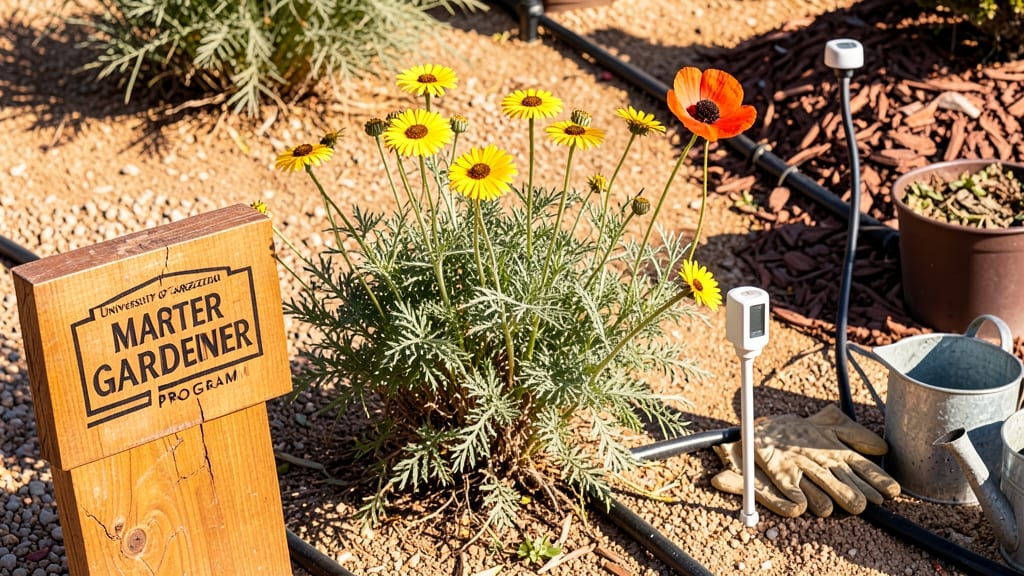
The Arizona Master Gardener Program transforms gardening enthusiasts into certified volunteers through intensive horticulture training that spans soil science, pest control, and sustainable landscaping techniques. Participants invest around $200–$400 in tuition while completing 120 hours of coursework over 4–6 months, gaining hands-on experience through plant clinics and community outreach.
The Arizona Master Gardener Program stands out for its focus on desert-specific challenges like water conservation and drought-resistant plants. 🌵 This training isn't just about theory—you'll spend time diagnosing plant diseases in labs and learning how to adapt gardening practices to Arizona's unique climate.
The program also prepares you to lead workshops, mentor new gardeners, and even collaborate with schools to teach youth about sustainable growing practices.
What makes this program particularly valuable is how it bridges academic learning with real-world application. Many graduates use their certification to enhance careers in horticulture or nonprofit work, while others simply gain confidence to tackle complex gardening problems in their communities.
The hands-on approach ensures you're not just memorizing facts, but developing practical skills that directly benefit Arizona's landscapes.
💡 In This Article
- Arizona Master Gardener Training Curriculum Breakdown
- How to Apply and Succeed in Arizona’s Master Gardener Program
Arizona Master Gardener training curriculum breakdown
The Arizona Master Gardener Program curriculum is meticulously designed to address the state's unique horticultural challenges, starting with a deep dive into soil science. You'll learn how to analyze soil composition in Arizona's arid regions, where clay and caliche layers often dominate.
The program covers pH testing (6.0-7.5 ideal range) and organic matter amendments, teaching you how to improve water retention in sandy desert soils. This foundational knowledge directly impacts plant health, as poor soil structure can reduce water uptake by up to 40% in drought conditions.
Desert landscaping gets special attention, with modules on xeriscaping principles and native plant selection. You'll study species like palo verde and desert marigold that thrive with less than 12 inches of annual rainfall, compared to traditional lawn grasses needing 20+ inches.
The curriculum includes hands-on training in drip irrigation systems and mulching techniques that can reduce water needs by 30-50%. Field trips to demonstration gardens show real-world applications of these principles in residential and commercial landscapes.
Plant pathology becomes particularly relevant in Arizona's climate, where fungal diseases like powdery mildew and bacterial leaf spot flourish in the heat. The program's diagnostic labs teach you to identify symptoms through microscopic analysis and cultural control methods.
You'll learn how to distinguish between pest damage and environmental stress - a critical skill when Arizona's sudden temperature swings (from 110°F days to 40°F nights) create ideal conditions for many plant problems. The curriculum emphasizes integrated pest management (IPM) strategies that prioritize prevention over chemical solutions.
Water conservation modules stand out for their practical focus. You'll calculate evapotranspiration rates for different plant types and learn to design landscapes that use 60% less water than traditional designs. The program even covers graywater systems and how to legally implement them in Arizona homes.
This technical training extends beyond theory - participants often complete projects that demonstrate these principles in community gardens or schoolyards, creating tangible impacts while reinforcing their learning.
The curriculum's hands-on components include diagnostic plant clinics where you'll examine real samples under supervision, and volunteer-led workshops that let you practice teaching others. These experiences build confidence while addressing Arizona's specific needs, like identifying invasive species such as buffelgrass that threaten native ecosystems.
The program's emphasis on sustainable practices ensures graduates can help communities reduce water usage by 25-40% through proper gardening techniques.
What sets Arizona's program apart is its climate-specific focus that most general gardening programs lack. While other states might emphasize cool-season crops, Arizona's curriculum teaches you to work with heat-tolerant varieties and understand how to protect plants during monsoon season's intense downpours.
This specialized knowledge makes Arizona Master Gardeners particularly valuable in their communities, where they can provide expertise that's directly applicable to local growing conditions.
The program's structure ensures you'll leave with both theoretical knowledge and practical skills. You'll understand the science behind desert gardening while gaining the confidence to implement solutions in real-world settings.
This dual approach is what makes Arizona's Master Gardener certification so respected - it's not just about knowing what to do, but knowing how to make it work in the challenging Sonoran Desert environment.