
Tools
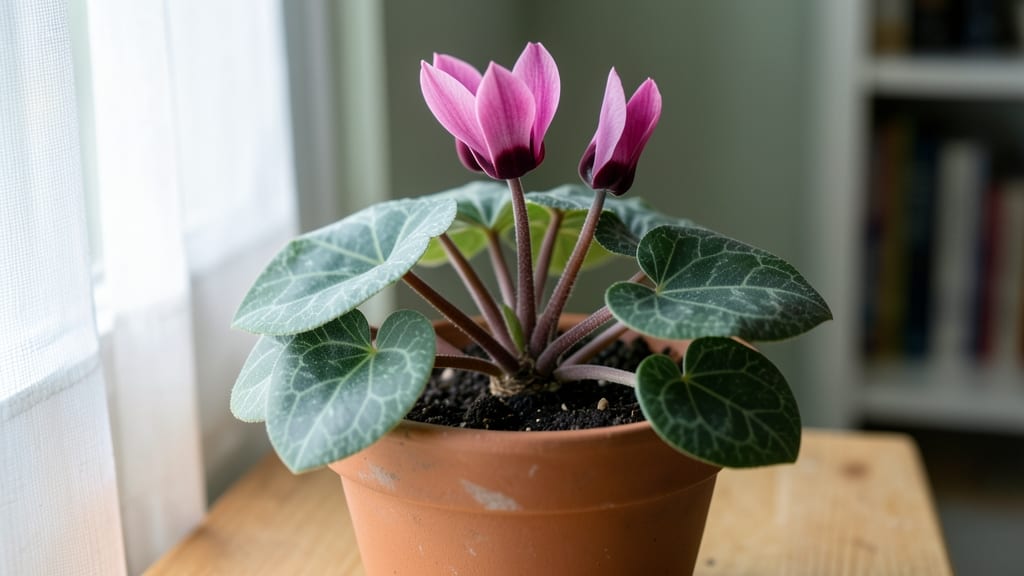
New garden eyes are smart IoT sensors that monitor soil moisture, light, and temperature to optimize plant health and automate watering schedules for precision gardening results.
These innovative devices transform gardening by using real-time data to create personalized care routines. 🌱 Instead of guessing when plants need water, garden eyes provide precise readings that adapt to your specific soil type and climate conditions.
Many models sync with smartphone apps, letting you adjust watering schedules remotely or receive alerts when your plants need attention. Whether you're growing delicate herbs or hardy vegetables, these sensors help prevent over- or under-watering, which can extend the lifespan of your plants and boost yields.
Beyond moisture tracking, some advanced garden eyes also measure light exposure and soil acidity, giving you a complete picture of your garden's health. This technology is particularly valuable for urban gardeners or those with limited time, as it automates much of the guesswork traditionally involved in plant care.
The initial investment often pays off through water savings and healthier plants, making them a smart upgrade for any gardener serious about maximizing growth potential.
💡 In This Article
- How Smart Garden Sensors Work for Plant Monitoring
- Choosing the Best Garden Eye for Your Plants and Climate
How smart garden sensors work for plant monitoring
Smart garden sensors, often called "garden eyes," rely on a combination of capacitive soil moisture probes and environmental sensors to gather real-time data. The moisture probe uses electrical conductivity to measure how much water is available in the soil—when soil moisture decreases, the electrical resistance increases, triggering the sensor.
These probes can detect even subtle changes, like the difference between 20% and 30% soil moisture content, which is crucial for plants like tomatoes that thrive in consistently damp but not soggy conditions. 🔥
Light intensity is typically measured using photodiodes or lux sensors, which convert light into electrical signals. These sensors track not just brightness but also the photosynthetically active radiation (PAR)—the specific light wavelengths plants use for growth.
For example, leafy greens like spinach need 10,000-15,000 lux of light, while herbs like basil can thrive in 5,000-8,000 lux. Temperature sensors use thermistors or RTD (resistance temperature detectors), which provide precise readings down to 0.1°F variations, helping prevent heat stress in sensitive plants like peppers.
The magic happens when these sensors connect to a Wi-Fi or Bluetooth module, sending data to a companion app like Blossom or PlantLink. The app uses algorithms to analyze trends—like detecting a sudden drop in soil moisture over 24 hours—and triggers alerts or even automates irrigation systems.
Some advanced models, like those from Aquacheck, can integrate with smart sprinklers to deliver water only when needed, saving up to 30% more water than manual watering. ✨
What sets these sensors apart is their ability to learn and adapt. Over time, they create a "plant profile" based on your garden's conditions. For instance, if your basil consistently thrives at 70°F with 40% soil moisture, the system will prioritize maintaining those exact levels.
This adaptive learning reduces the trial-and-error common in traditional gardening, especially for beginners or those with finicky plants like orchids or succulents.
Battery life varies by model, with most using rechargeable lithium-ion batteries that last 6-12 months on a single charge. Some, like the PlantLink Pro, include solar panels for continuous power. The sensors also feature low-power modes that activate only when conditions change, extending their lifespan.
For example, a sensor might sleep for 15 minutes between checks if nothing has changed, conserving energy while still providing real-time updates when needed.
Beyond the hardware, the software is where the true innovation lies. Apps use machine learning** to predict issues before they happen—like identifying a fungal risk when soil stays too damp for 48+ hours.
This proactive approach helps gardeners intervene early, whether by adjusting watering schedules or adding compost to improve drainage. For instance, if your app detects that your peppers are consistently wilting at 85°F, it might suggest moving them to partial shade or increasing airflow. 💫