
Tools
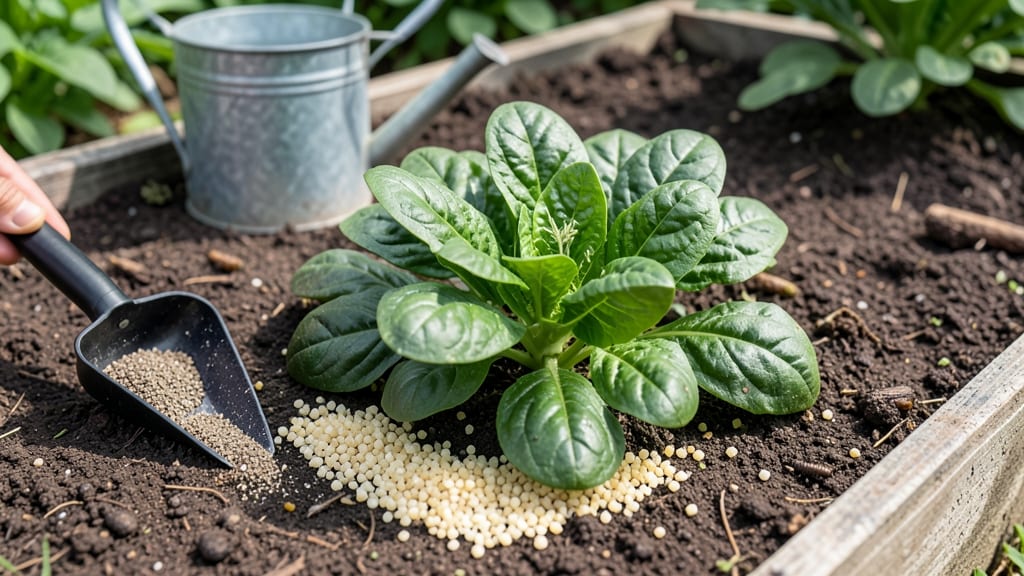
Nitrogen for garden enhances leafy growth and lush foliage by supplying essential nutrients through organic sources like compost or synthetic options such as urea. Application rates vary by soil type—sandy soils release nitrogen quickly, requiring more frequent feeding, while clay soils retain it longer. Always test soil first to prevent overuse, which can damage plants and contaminate water.
Nitrogen acts as the building block for chlorophyll, the compound that gives plants their vibrant green color and powers photosynthesis. 🌱 In sandy soils, nitrogen washes away faster, so I recommend applying organic sources like blood meal every 4-6 weeks during growing seasons.
For clay-heavy soils, a slow-release synthetic like ammonium sulfate can provide steady nourishment without leaching. The key is balance—too much nitrogen fuels leafy growth at the expense of flowers and fruit, while too little leaves plants yellow and weak.
Organic options like composted manure or fish emulsion not only feed plants but also improve soil structure over time. Synthetic fertilizers, on the other hand, deliver immediate results but lack the long-term benefits.
I've found that leafy greens like spinach and kale respond dramatically to nitrogen, while fruiting plants need it in moderation to avoid excessive foliage that crowds out production.
💡 In This Article
- How Nitrogen Fertilizers Work in Different Soil Types
- Best Organic and Synthetic Nitrogen Sources for Your Garden
How nitrogen fertilizers work in different soil types
Nitrogen fertilizers fuel plant growth by providing the essential nutrient plants need to produce chlorophyll, the pigment responsible for that lush green color. But how your soil type absorbs and retains nitrogen makes all the difference.
In sandy soils, nitrogen moves through quickly—almost like water through a sieve—because the large particles create big air pockets.
This means nitrogen washes away within days unless you apply it frequently, often every 4-6 weeks during active growing seasons. 🌱 The microbes in sandy soil also work faster to convert nitrogen into plant-available forms, but they can't hold onto it long-term.
On the opposite end, clay soils act like a sponge, clinging tightly to nitrogen molecules and releasing them slowly over months. This makes them ideal for slow-release fertilizers like ammonium sulfate or coated urea, which can provide steady nutrition without leaching. The trade-off?
Clay's dense structure can limit root penetration, so pairing nitrogen with organic matter (like compost) helps loosen the soil while feeding plants. Loamy soils, the happy medium, balance retention and drainage, making them perfect for balanced nitrogen applications—think fish emulsion every 6-8 weeks for consistent growth.
The real magic happens underground thanks to soil microbes. These tiny organisms—bacteria and fungi—convert nitrogen from fertilizers into forms plants can use through a process called nitrification.
Organic nitrogen sources (like manure or compost) rely heavily on microbes to break them down, which takes time but improves soil health long-term. Synthetic fertilizers, however, dissolve instantly, giving plants a quick nitrogen boost but bypassing the microbial benefits.
For example, blood meal releases nitrogen rapidly, making it great for leafy greens that need immediate growth spurts, while composted manure feeds plants gradually over 3-6 months.
Here's where things get tricky: nitrogen behaves differently based on soil pH. Most plants prefer a slightly acidic to neutral range (6.0-7.0 pH), where nitrogen is most available. In acidic soils (below 5.5), nitrogen can become "locked up" as ammonium, making it inaccessible to plants.
Conversely, alkaline soils (> 7.5) cause nitrogen to volatilize (turn into gas), wasting your fertilizer. Testing your soil's pH before applying nitrogen helps you adjust the type and amount—adding lime to acidic soil or sulfur to alkaline soil can optimize absorption. 🔬
Consider this real-world example: A sandy garden bed planted with spinach might need 1 pound of nitrogen per 100 square feet every 4 weeks to prevent yellowing leaves, while the same bed in clay soil could thrive on 0.5 pounds every 8 weeks.
The difference? Sandy soil loses nitrogen faster, while clay holds onto it longer. Overapplying nitrogen in clay can lead to "burnt" plants, where roots struggle to access water due to excess salts, or worse—nitrogen runoff polluting nearby waterways during heavy rains.
What most gardeners overlook is the carbon-to-nitrogen ratio in organic fertilizers. A high carbon content (like in fresh manure) requires microbes to "eat" nitrogen to break it down, temporarily starving plants.
Aged compost or well-rotted manure has a balanced ratio (20:1 or lower), feeding both microbes and plants simultaneously. For synthetic options, look for low-salt fertilizers** (like urea) to avoid stressing plants, especially in hot climates where salts concentrate in the soil.