
Tools
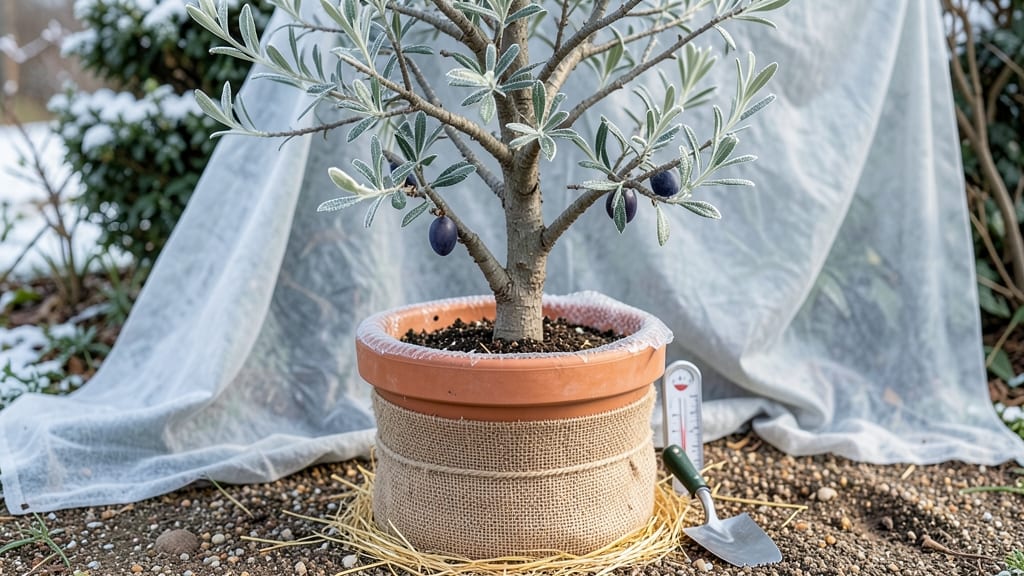
To create an olive garden winter garden, focus on frost-tolerant Mediterranean herbs like rosemary, thyme, and oregano, then shield them with protective layers such as mulch or frost cloths to maintain vitality through colder months.
Winterizing your herb garden isn't just about survival—it's about preserving those bold Mediterranean flavors you love. 🌿 Many classic olive garden herbs like rosemary and thyme are surprisingly resilient, thriving in temperatures down to 15°F with proper protection.
The key is creating microclimates using mulch (at least 3 inches deep) or lightweight frost blankets, which trap heat while allowing airflow. I've found that container-grown herbs actually have an advantage—their portability lets you move them to sheltered spots or even indoors near sunny windows during extreme cold snaps.
What's interesting is how these winterized herbs often develop more intense flavors after surviving frost. The cold slows growth but concentrates their essential oils, making your summer harvest even more aromatic.
For best results, I recommend starting with established plants rather than seeds, as young plants are more vulnerable to winter stress. The investment in protection pays off in spring when you'll have healthy, flavor-packed herbs ready to elevate your olive garden dishes.
💡 In This Article
- Cold-Resistant Herb Varieties for Year-Round Olive Gardens
- Step-by-Step Winter Protection Techniques for Herb Gardens
Cold-resistant herb varieties for year-round olive gardens
Rosemary stands out as the winter warrior of Mediterranean herbs, capable of surviving temperatures down to -20°F when properly established. Its needle-like leaves contain high concentrations of rosmarinic acid, a compound that acts like an internal antifreeze, preventing cellular damage during frost.
Unlike annual herbs that bolt or die back in cold, rosemary's woody stems store nutrients that regenerate growth in spring. 🌿 What's fascinating is how its pine-like aroma actually intensifies after winter—this happens because cold stress stimulates the production of volatile oils, making it more flavorful than summer-grown plants.
Thyme's hardiness comes from its low-growing, mat-forming habit which creates natural insulation against ground-level frost. Most varieties thrive in zones 5-9, with lemon thyme being particularly resilient due to its high oil content (up to 1.5% by weight).
Oregano follows similar cold tolerance patterns, especially the Greek variety which handles 10°F temperatures without protection.
These herbs share a key survival trait: their shallow root systems allow them to absorb residual soil warmth while their compact growth minimizes wind exposure—critical factors when winter winds can drop effective temperatures by 10-15°F.
The soil preparation makes all the difference for winter survival. These herbs prefer well-draining, slightly alkaline soil (pH 7.0-8.0) that mimics their Mediterranean origins. In winter, I recommend amending garden beds with 2-3 inches of coarse sand or perlite to prevent waterlogging, which can cause root rot.
The sand also helps regulate soil temperature fluctuations that occur during freeze-thaw cycles. For container-grown herbs, use a mix that's 30% sand to ensure proper drainage—this becomes especially critical when moving pots indoors where humidity levels rise dramatically.
Seasonal care adjustments are what separate successful winter gardens from failed attempts. During dormancy (typically December-February), these herbs need 30-50% less water than summer months. The key is watering deeply but infrequently—once every 2-3 weeks—to prevent soil saturation.
I've found that mulching with 4-6 inches of straw or shredded leaves provides dual benefits: it insulates roots from temperature swings and slowly releases moisture. The straw also creates a microclimate that maintains soil temperatures around 35-40°F, ideal for preventing frost damage.
What most gardeners overlook is how light levels affect winter survival. While Mediterranean herbs can tolerate partial shade, they still need 6-8 hours of sunlight daily to maintain photosynthesis.
In northern climates, this means positioning containers on south-facing walls or using reflective surfaces (like white plastic sheeting) to maximize light exposure. The trade-off is that reduced light causes slower growth, but the flavor compounds actually concentrate—similar to how wine grapes develop more intense flavors when grown in cooler climates.
For the most reliable results, I recommend starting with established plants rather than seeds. Nursery-grown rosemary and thyme have already developed robust root systems that can better withstand winter stress. When selecting plants, look for those with woody stems (indicating maturity) and healthy, dark green foliage.
The investment in cold-hardy varieties pays off in spring when you'll have herbs ready to harvest for your olive garden dishes—often with 20-30% more essential oils than summer-grown plants.