
Advice
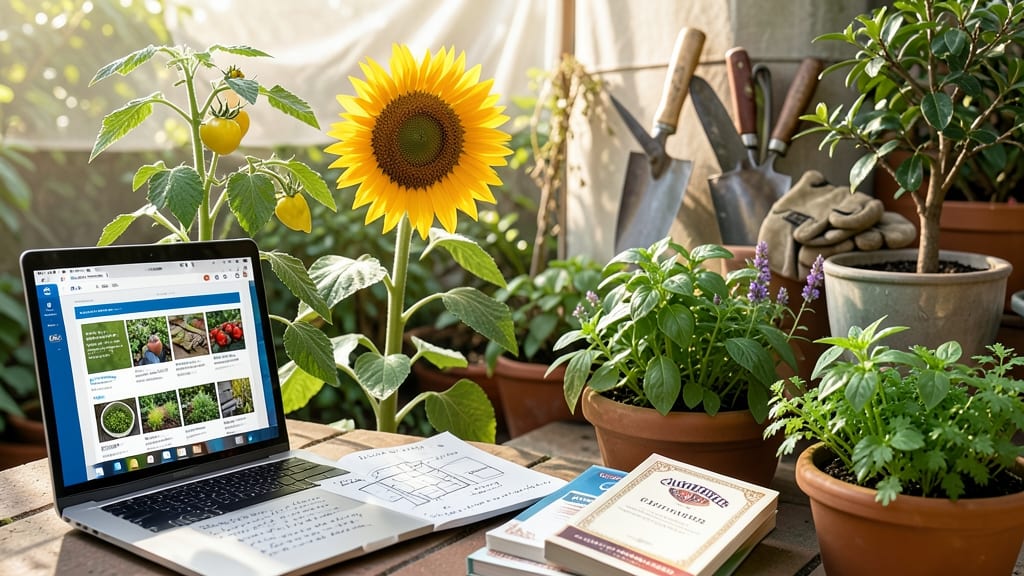
An online master gardener program certifies participants in sustainable gardening through coursework, exams, and hands-on training, equipping them for volunteer roles in community gardens, education, and horticultural outreach without in-person attendance requirements.
These programs blend science and practical skills, covering everything from plant biology to sustainable landscaping techniques. 🌱 What sets them apart is how they adapt traditional classroom learning for digital formats—think interactive modules, expert-led webinars, and even virtual plant ID challenges.
Many graduates use their certifications to lead workshops or manage urban garden projects, proving that online education can deliver the same real-world impact as in-person training.
One of the biggest advantages is flexibility—you can study at your own pace while still gaining hands-on experience through community partnerships or digital plant clinics. The certification process typically includes passing exams and completing volunteer hours, ensuring you're truly ready to contribute meaningfully to gardening initiatives.
Whether you're aiming to boost your career or simply deepen your gardening expertise, this path offers a structured way to make a tangible difference in your community.
💡 In This Article
- How Online Master Gardener Programs Work
- Top Online Master Gardener Programs for Certification
How online master gardener programs work
The curriculum in these programs typically spans 12-16 weeks and covers three core areas: plant science, horticultural practices, and sustainable gardening techniques. You'll dive into botany through modules on plant anatomy and physiology, learning how roots absorb water at 0.1-0.3 mm per hour depending on soil conditions.
Soil science units explore pH levels (ideal range: 6.0-7.0 for most vegetables) and how organic matter improves water retention by 20-30% compared to mineral soils.
Virtual platforms like Moodle or Canvas replicate hands-on training through interactive elements. Live Q&A sessions with horticulturists let you troubleshoot real plant problems—imagine diagnosing fungal infections from photos you submit.
Discussion forums connect you with peers who share regional growing challenges, while virtual plant ID labs teach you to recognize species by leaf shape, flower structure, and growth patterns. The University of Florida's program even includes a 10-hour diagnostic clinic where you analyze plant samples through digital submissions.
Certification requires passing quizzes after each module (typically 70%+) and a final exam covering all topics. Many programs mandate 30-50 hours of volunteer work to apply your knowledge, often through local extension offices or community gardens.
This hands-on requirement ensures you're not just memorizing facts but can practically solve gardening problems—like identifying pests or designing pollinator-friendly landscapes.
What makes these programs effective is their blend of theory and application. For example, when learning about pest management, you'll study biological controls (like ladybugs for aphids) and then participate in virtual case studies where you recommend solutions for specific garden scenarios.
The digital format also allows for real-time updates—programs can quickly incorporate new research on climate-adapted plants or soil health practices.
One standout feature is the emphasis on sustainable practices. Modules often include calculations for water conservation (like determining 1/3 inch per week as the general irrigation guideline) and organic fertilizers. You'll learn how compost tea can increase microbial activity by 300-500% while comparing its effects to synthetic alternatives.
This practical knowledge directly translates to volunteer work where you might lead workshops on reducing garden waste.
The flexibility of online programs means you can balance studies with work or family commitments. Many offer asynchronous learning, letting you complete modules during off-hours while still meeting deadlines. For instance, Cornell's program allows you to take exams during a 24-hour window each week, accommodating different time zones and schedules.
This accessibility is particularly valuable for those in rural areas who might otherwise struggle to attend in-person classes.
What most people don't realize is how these programs foster community through virtual means. Many graduates join online groups where they share before-and-after photos of their garden projects, troubleshoot problems together, and even organize regional meetups.
This digital community extends the learning experience beyond the coursework, creating lasting connections with fellow gardening enthusiasts who become valuable resources in your horticultural journey. 🌿