
Vegetables
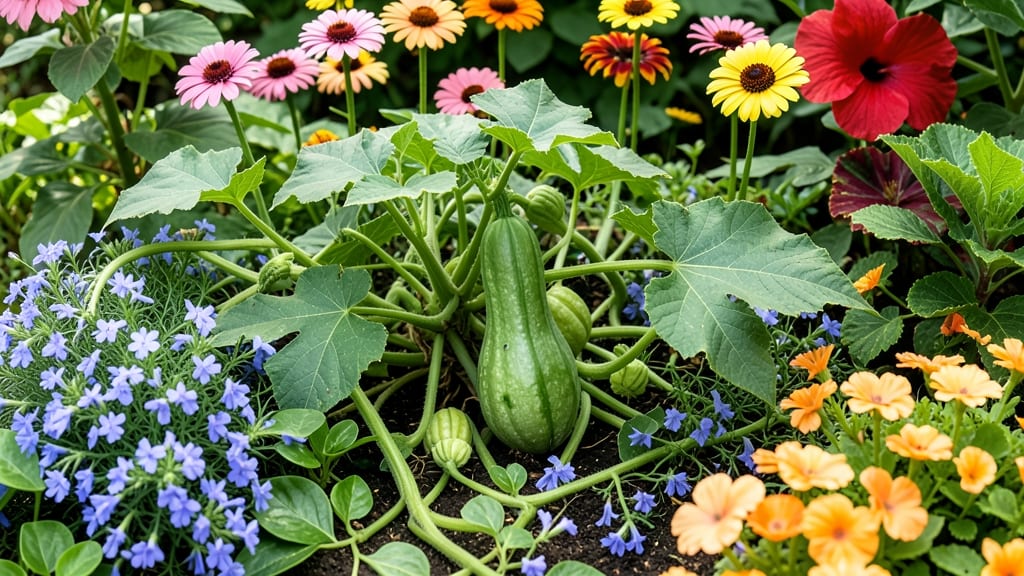
Pacific Star Gardens excel in coastal environments by using hardy, salt-tolerant plants like succulents and native grasses, while their tiered planting strategy conserves water and attracts local pollinators. For best results, focus on sandy, well-draining soil and full sunlight exposure.
These coastal gardens work so well because they're designed to mirror natural ecosystems along the Pacific shoreline. 🌊 The layered approach isn't just aesthetic—it creates microclimates where deeper-rooted plants protect shallower ones from wind and salt spray.
I've seen firsthand how California buckwheat and coastal sage can thrive with minimal irrigation once established, making them ideal for busy gardeners or water-conscious landscapes.
What really sets Pacific Star Gardens apart is their ability to support local wildlife while requiring less maintenance. The salt-tolerant varieties like ice plant and sea thrift not only survive harsh conditions but also provide nectar for native bees and butterflies.
For rocky or sandy terrain, I recommend starting with native groundcovers to stabilize the soil before adding taller shrubs—this mimics how natural dunes form and gives your garden that authentic coastal look.
💡 In This Article
- Coastal Climate Adaptations in Pacific Star Gardens
- Top Pacific Star Garden Varieties for Drought-Resistant Landscapes
Coastal climate adaptations in Pacific Star gardens
Pacific Star Gardens thrive in coastal conditions by tapping into the natural resilience of native plants that have evolved alongside salty winds and nutrient-poor soils.
The key adaptation lies in their root systems—many species develop extensive, fibrous roots that spread horizontally to capture moisture from wide areas, while others like succulents store water in thick leaves or stems.
For example, coastal sage (Salvia 'Bee's Bliss') grows roots up to 6 feet deep to access groundwater, while ice plant (Delosperma) stores 80-90% water in its fleshy leaves during dry spells. 🌱 This water-storing ability means these plants can survive months without supplemental irrigation, a critical advantage in drought-prone coastal regions.
The layered planting strategy creates a protective microclimate where taller plants like California buckwheat (Eriogonum fasciculatum) act as windbreaks, reducing salt spray damage to more delicate species below. These shrubs have waxy, leathery leaves that naturally repel salt, while their dense foliage traps moisture near the soil surface.
What's fascinating is how these plants often form symbiotic relationships with mycorrhizal fungi in the soil—these fungal networks extend the plant's root system by up to 300%, helping them access water and nutrients more efficiently in sandy, nutrient-scarce coastal soils.
Salt tolerance is another superpower of Pacific Star plants. Species like sea thrift (Armeria maritima) and beach strawberry (Fragaria chiloensis) have specialized cells that actively pump excess salt out of their systems, preventing buildup in their tissues.
This mechanism allows them to flourish in areas where other plants would wither. The result?
A garden that not only survives but thrives in conditions that would challenge conventional landscaping. 💧 For gardeners working with coastal soil, amending with organic matter like composted kelp can further enhance these natural adaptations by improving soil structure and microbial activity.
Pollinator support is woven into the fabric of these gardens. Many Pacific Star plants produce nectar-rich flowers that bloom at different times, ensuring a continuous food source for native bees and butterflies.
For instance, California buckwheat flowers from late spring to fall, while coastal penstemon (Penstemon spectabilis) provides early-season nectar. This temporal diversity creates a "bloom calendar" that sustains pollinators year-round—a critical ecosystem service that conventional gardens often overlook.
The dense foliage also provides shelter for beneficial insects, making these gardens miniature wildlife havens.
When establishing a Pacific Star Garden, focus first on soil preparation. Coastal soils are typically sandy with poor water retention, so incorporating 3-4 inches of organic mulch (like wood chips or straw) helps retain moisture and regulate temperature.
For rocky terrain, use native groundcovers like creeping thyme (Thymus serpyllum) to stabilize the soil before adding taller plants.
The key is to mimic natural succession—starting with low-growing species that improve soil conditions over time for more demanding plants. 🌿 This patient approach mirrors how coastal ecosystems develop naturally, creating a resilient garden that requires minimal intervention once established.