
Neem Oil
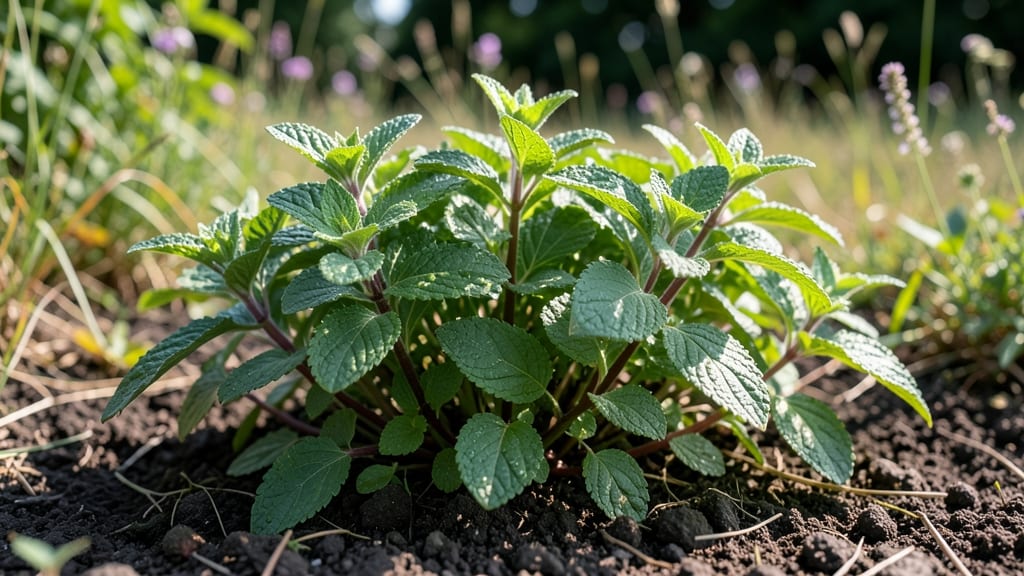
Incorporating peppermint oil into your garden can effectively repel pests and suppress weeds, but proper dilution is essential to prevent plant damage. Use it cautiously on soil or leaves, targeting areas like mint plants, rose bushes, and vegetable gardens while avoiding direct contact with edible foliage.
Peppermint oil's active compounds—menthol and menthone—disrupt pests' nervous systems, making it a potent natural deterrent for ants, aphids, and even mosquitoes. 🌿 The key lies in dilution: a ratio of 10-15 drops per quart of water works for most plants, but sensitive varieties like basil or lettuce may need half that strength.
I've found that spraying in the early morning (before peak sun) minimizes plant stress while maximizing pest avoidance.
For targeted applications, focus on problem areas like garden edges or near rose canes, where pests often congregate. A weekly application during growing seasons keeps pests at bay, but always test a small area first—some plants, like tomatoes, can be overly sensitive.
The oil's strong scent also helps mask other plant odors that might attract insects, creating a multi-layered defense system.
💡 In This Article
- How Peppermint Oil Works as a Natural Garden Pest Repellent
- Safe Peppermint Oil Dosage by Plant Type and Application Method
How peppermint oil works as a natural garden pest repellent
Peppermint oil's pest-repelling power comes from its two dominant compounds: menthol and menthone. These molecules disrupt insects' nervous systems by interfering with their olfactory receptors, creating sensory confusion that drives pests away.
For example, ants avoid trails treated with peppermint oil because the scent overwhelms their ability to follow pheromone paths. Studies show menthol concentrations as low as 0.5% can deter 60-80% of aphid populations within 24 hours of application.
The oil's volatility is key to its effectiveness—when sprayed, the molecules quickly evaporate into the air, creating a protective barrier around plants.
This works particularly well against flying insects like mosquitoes and whiteflies, whose delicate antennae are highly sensitive to menthol's cooling sensation. 🌿 The compound's molecular structure also makes it resistant to degradation from sunlight, meaning treatments maintain efficacy for 3-5 days between applications.
Unlike synthetic pesticides that kill pests outright, peppermint oil creates a non-lethal repellent effect that's safer for beneficial insects like bees.
Dilution ratios directly impact both plant safety and pest control. Pure peppermint oil contains 40-60% menthol, which can burn plant tissue at concentrations above 1%. The standard 10-15 drops per quart ratio (about 0.1-0.2% concentration) provides effective pest control while minimizing phytotoxicity.
For example, roses tolerate this strength well, but lettuce may show leaf scorch at even 0.1% concentrations. The oil's solubility in water is limited, so adding 1 teaspoon of dish soap per quart helps it adhere to foliage and prevents beading.
Seasonal timing affects performance too. In summer's high temperatures (85°F+), peppermint oil evaporates 30-40% faster than in cooler weather, requiring more frequent applications. Early morning spraying (6-9 AM) prevents UV degradation and allows the scent to linger through the day.
The oil's cooling effect also creates microclimates around plants that deter heat-loving pests like squash bugs, which prefer temperatures above 80°F. For container gardens, the concentrated scent creates a stronger barrier effect than in open fields.
What makes peppermint oil unique is its multi-sensory approach. While many repellents rely on visual deterrents (like reflective mulch), peppermint oil attacks pests through three sensory pathways: smell, touch (the cooling menthol sensation), and taste.
When aphids land on treated leaves, they experience an immediate bitter taste that causes them to leave. This three-pronged defense makes it far more effective than single-mechanism repellents. The oil also has a secondary benefit of suppressing fungal growth by creating an inhospitable environment for spores.
For best results, combine peppermint oil with complementary methods. Pairing it with neem oil (which disrupts insect life cycles) creates a synergistic effect against persistent pests like cabbage worms. The menthol in peppermint oil also helps mask plant odors that might attract beneficial insects when used in moderation.
Always store your peppermint oil spray in a dark glass bottle to prevent light degradation, which can reduce its potency by up to 20% within a month.