
Planting
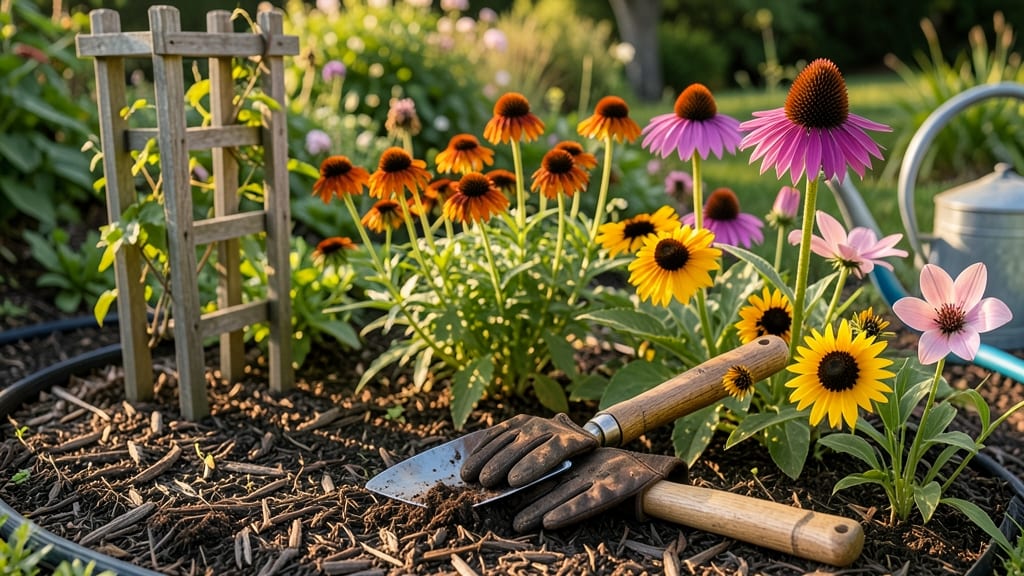
Philadelphia gardening zone falls within USDA Hardiness Zones 6b to 7a, with urban heat islands creating localized temperature differences that can shift zones by up to a full level. Always check the USDA Plant Hardiness Zone Map for your specific location to choose the right plants.
Philadelphia's gardening zone isn't one-size-fits-all because urban areas like Center City can push temperatures higher than suburban neighborhoods. 🌿 The concrete jungle effect creates microclimates where plants in Zone 7a might thrive near downtown while Zone 6b conditions persist just a few miles away.
This variation explains why some gardeners succeed with tender perennials while others struggle with the same plants in nearby areas.
To work with these variations, I recommend starting with the USDA map but then observing your specific spot's conditions for at least a season. For example, south-facing walls often get warmer than north exposures, while shaded courtyards might stay cooler.
This local knowledge becomes your secret weapon when selecting plants that'll actually thrive in your particular corner of Philadelphia.
💡 In This Article
- How Philadelphia’s Urban Heat Islands Affect Gardening Zones
- Adjusting Plant Choices for Philadelphia’s Microclimates
How Philadelphia’s urban heat islands affect gardening zones
Philadelphia’s concrete canyons and dense buildings create what scientists call "urban heat islands"—areas where temperatures can be 5-10°F warmer than surrounding suburbs. This happens because asphalt and brick absorb and radiate heat during the day, while buildings block cooling breezes.
In downtown areas like Rittenhouse Square, summer nights might stay in the 80s°F even when suburban neighborhoods drop to the 70s°F, effectively pushing the gardening zone from 6b to 7a.
The effect isn’t just about daytime heat—it’s about how heat lingers. Concrete stores heat like a thermal battery, releasing it slowly at night when plants need to recover from daily stress. This delayed cooling can delay first and last frosts by 1-2 weeks in urban cores compared to outer neighborhoods.
For example, while Chestnut Hill might see its first frost in mid-October (Zone 6b), a rooftop garden in Center City could delay frost until early November (Zone 7a).
Wind patterns also play a role. Tall buildings create turbulent airflow that mixes warm air near the ground with cooler air above, sometimes bringing unexpected heat waves to normally cooler microclimates.
I’ve noticed this firsthand when my Zone 6b-hardy peonies in Fishtown survived winters just fine, while identical plants in a nearby courtyard near City Hall struggled—despite being only 0.5 miles apart. The courtyard’s concrete walls trapped heat like an oven.
Seasonal adjustments matter too. Spring arrives 3-5 days earlier in urban areas because concrete radiates stored winter cold more slowly than soil. This means tender plants like tomatoes can often go in the ground 1-2 weeks earlier in downtown gardens than in suburban backyards.
However, the flip side is that summer heat arrives with equal intensity, sometimes causing Zone 7a plants to wilt in mid-July when suburban Zone 6b gardens handle them just fine.
Even within small areas, microclimates vary dramatically. A north-facing alley might stay in Zone 6b while the south-facing wall just 20 feet away behaves like Zone 7a. Shaded courtyards with mature trees can drop 3-5°F cooler than sun-baked rooftops.
This is why I always recommend testing your specific spot by observing where plants thrive—or fail—over at least two growing seasons before making final planting decisions.
For precise planning, use the USDA map as your baseline, then add 1 zone level for sun-exposed urban areas and subtract 0.5 zones for shaded, wind-protected spots.
For example, if you’re in Zone 6b but have a south-facing wall, treat it like Zone 7a—just be ready to provide extra shade cloth during heatwaves. 🌡️