Companion Plants
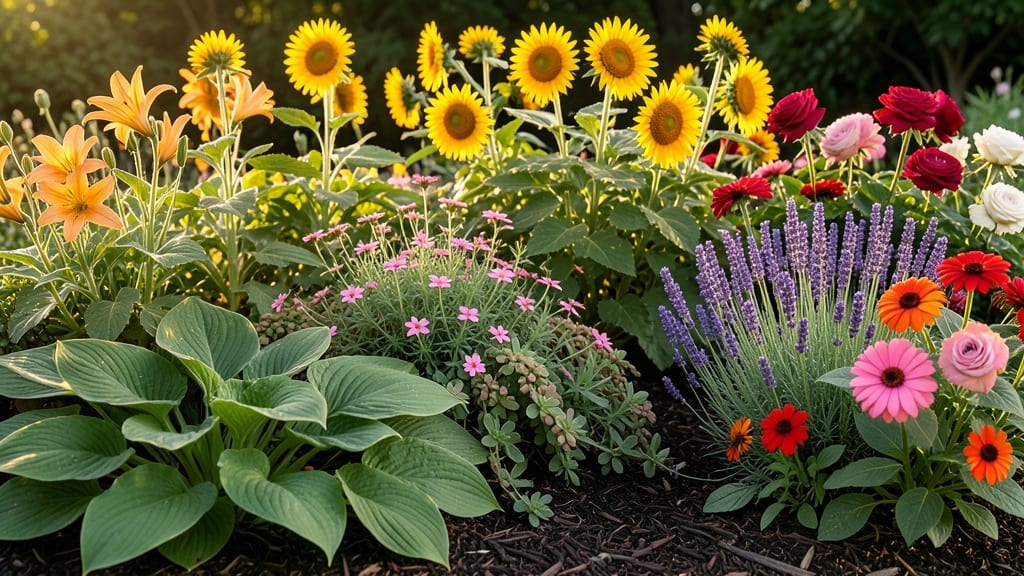
Growing popular garden plants can turn your yard into a thriving, low-maintenance paradise that blooms with color and life all year long.
Picture this: bees buzzing between vibrant flowers, butterflies flitting from blossom to blossom, and your garden humming with energy—no matter the season. That’s the magic of the right plants, chosen not just for beauty but for their ability to support local ecosystems while demanding minimal effort from you.
From hardy perennials that return year after year to annuals that burst with seasonal color, these popular garden plants thrive in nearly any climate. Whether you’re a beginner or a seasoned gardener, they offer versatility, resilience, and the kind of visual impact that makes neighbors stop and stare.
In this guide, I’ll share my top picks for year-round color, pollinator powerhouses, and easy-care combos—plus how to pair them for maximum impact. Ready to transform your space into a garden that works as hard as you do?
Top 10 year-round colorful plants for every climate Zone
Creating a garden that thrives in every season doesn’t require endless effort—just the right low-maintenance plants that bring year-round color. Whether you’re in USDA Zone 3 with harsh winters or Zone 10 with mild climates, these hardy perennials, annuals, and shrubs deliver nonstop blooms and foliage interest.
I’ve handpicked plants that adapt to diverse conditions while attracting pollinators and adding texture to your landscape.
The key to success lies in matching plants to your climate zone and sunlight conditions. For example, Russian sage thrives in dry climates (Zones 5-9), while heuchera (coral bells) handles shady spots in Zones 3-9.
Below, I’ve organized these top 10 plants by their seasonal performance and care needs to simplify your planning.
| Plant | Climate Zones | Sunlight Needs | Bloom Season | Key Features |
|---|---|---|---|---|
| Russian Sage (Perovskia atriplicifolia) | 5-9 | Full sun | Summer-Fall | Drought-tolerant, purple spikes, attracts bees |
| Heuchera (Coral Bells) | 3-9 | Partial shade | Spring-Summer | Colorful foliage, low-maintenance, deer-resistant |
| Coneflower (Echinacea) | 3-9 | Full sun | Summer-Fall | Pollinator magnet, medicinal uses, long-lasting blooms |
| Salvia (Salvia nemorosa) | 4-9 | Full sun | Spring-Summer | Heat-resistant, vibrant colors, attracts hummingbirds |
| Hosta (Hosta spp.) | 3-8 | Partial shade | Summer | Lush foliage, shade-loving, great for borders |
| Black-Eyed Susan (Rudbeckia) | 3-10 | Full sun | Summer-Fall | Cheerful yellow blooms, drought-resistant, long bloom time |
| Daffodil (Narcissus) | 3-10 | Full sun | Spring | Early bloomer, deer-resistant, naturalizes easily |
| Lavender (Lavandula) | 5-9 | Full sun |
Best pollinator-friendly plants to attract bees & butterfliesCreating a pollinator-friendly garden isn’t just about adding beauty—it’s about supporting the health of your local ecosystem. Bees, butterflies, and other pollinators need reliable sources of nectar and host plants to thrive, and the right popular garden plants can turn your yard into a year-round buffet. I’ve selected these top performers based on their ability to attract pollinators while requiring minimal maintenance. The key to a successful pollinator garden lies in diversity and timing. By planting species that bloom in succession—from early spring through late fall—you ensure pollinators always have food. Many of these plants also serve as host plants for caterpillars, completing the life cycle that supports butterflies. Let’s dive into my top recommendations, backed by science and real-world results.
When planting these pollinator-friendly plants, focus on creating layers of blooms to ensure continuous food sources. For example, pair early bloomers like bee balm with mid-season stars like coneflower and late-season favorites like aster. This strategy keeps pollinators visiting your garden from spring through fall. Don’t overlook the importance of native plants in your garden. While many of these popular garden plants are non-native, incorporating local species (like milkweed or goldenrod) ensures pollinators have evolved alongside them. Native plants often require less water and care while providing the most benefit to local ecosystems. To maximize pollinator attraction, avoid using pesticides or herbicides, as these can harm bees and butterflies. Instead, opt for organic pest control methods like companion planting or introducing beneficial insects. With the right mix of these pollinator-friendly plants, your garden will buzz with life—and you’ll play a crucial role in supporting your local environment. |