
Tools
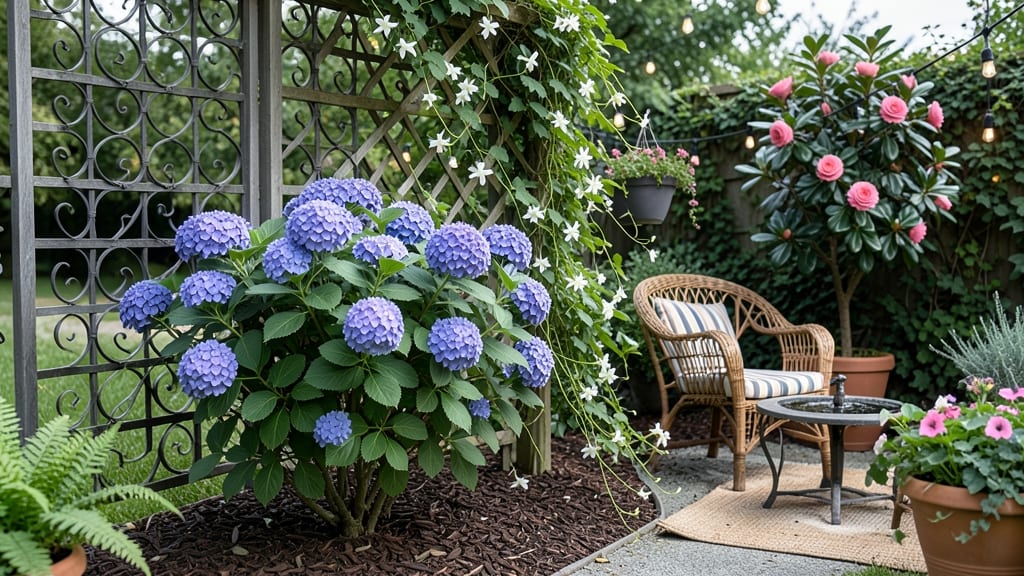
A screened-in garden creates a private, pest-free outdoor retreat where you can relax, garden, or entertain year-round without sacrificing nature’s beauty.
Picture this: a cozy space shielded from bugs, wind, and neighbors’ views, yet filled with lush greenery and fragrant blooms. Whether you dream of a morning coffee nook or a dinner patio, this versatile design adapts to any backyard.
You’ll discover how to choose the right materials—from durable mesh to elegant glass screens—and design layouts that work for small or large spaces. Plus, we’ll cover the best low-maintenance plants to keep your oasis thriving with minimal effort.
Ready to transform your outdoor area into a serene escape? Let’s dive into the practical steps, creative ideas, and budget-friendly tips to make it happen.
How to design a functional screened-in garden for all seasons
A screened-in garden is more than just a pretty addition—it’s a multi-seasonal workspace that thrives year-round. The key to success lies in strategic planning that balances climate resilience, plant health, and human comfort.
Whether you’re battling humid summers or chilly winters, thoughtful design ensures your garden remains usable, beautiful, and functional. Start by assessing your local climate zone—this dictates everything from screen material to plant selection and flooring choices.
For example, vinyl screens handle moisture well in rainy climates, while aluminum frames resist rust in coastal areas.
Before breaking ground, sketch a layout that prioritizes airflow and sunlight exposure. Poor circulation can trap stagnant air and invite pests, while uneven light distribution stunts plant growth. Place tall plants (like ornamental grasses or small trees) along the north or east sides to avoid shading shorter varieties.
Leave at least 3 feet of clearance between plants and screens to prevent condensation buildup and mold growth. If your space is small, consider vertical gardening—hanging planters or trellises maximize greenery without crowding.
- Flooring: Gravel (drainage) or stamped concrete (durability) for easy maintenance. Avoid wood if humidity is high—opt for composite decking instead.
- Lighting: Install LED string lights (warm white) along screens and solar-powered path lights for safety. Use dimmable fixtures to adjust ambiance by season.
- Seating: Choose weather-resistant wicker or metal frames with cushions that can be stored indoors during wet months. Add a foldable dining set for versatility.
- Ventilation: Include adjustable vents or a ceiling fan (with a weatherproof cover) to circulate air. Open vents on mild days to reduce humidity.
- Storage: Use wall-mounted planters or under-bench bins to keep tools and supplies organized. Add a pegboard for hanging pruners and gloves.
- Climate Zones: In Zone 5-7, prioritize insulated screens and heat lamps for winter use. In Zone 8+, focus on shade cloths and mist systems for summer cooling.
When selecting flooring, think beyond aesthetics—functionality matters most. Gravel is ideal for drainage and low-maintenance, but it can feel harsh underfoot. Pavers offer a polished look and customizable patterns, while wood decking adds warmth but requires regular sealing to prevent rot.
For small yards, modular tiles (like interlocking plastic grids) create a clean, customizable surface that’s easy to repair. If you love the look of wood but hate the upkeep, composite materials (made from recycled wood fibers) mimic the grain without the maintenance.
Lighting transforms your screened garden from a daytime retreat into an evening oasis. Start with ambient lighting—think solar-powered lanterns or plug-in LED panels—to illuminate the space softly. Add task lighting near seating areas with adjustable floor lamps or clip-on reading lights.
For a magical touch, string fairy lights along the screen’s perimeter or drape them over plants. Smart lighting (with timers or motion sensors) saves energy and adds convenience. Just ensure all fixtures are rated for outdoor use and protected from moisture.
Integrating seating or dining areas depends on your garden’s purpose. For a relaxation zone, a hammock chair or swivel rocker works beautifully, while a compact bistro set (with a foldable umbrella) is perfect for al fresco dining.
If space is tight, wall-mounted benches or stackable stools free up floor area. Add outdoor-friendly cushions with removable, washable covers to protect against spills and weather. For a year-round setup, consider a fire pit (with a spark screen) or a tabletop heater for chilly evenings.
Maximizing plant growth in a screened space requires smart placement and species selection. Avoid heavy feeders like tomatoes or corn—they demand excessive nutrients and can deplete soil quickly. Instead, opt for low-maintenance perennials (like lavender or Russian sage) or fragrant herbs (such as rosemary or thyme).
Use self-watering planters to maintain moisture levels without overwatering. If your garden gets limited sunlight, incorporate shade-tolerant plants like hostas or caladiums. For airflow, space plants 12-18 inches apart and prune regularly to prevent overcrowding.
Don’t overlook the small details that elevate your garden’s usability. Install hooks or rails to hang gardening tools, wall-mounted shelves for pots, and a small sink (if plumbing allows) for rinsing hands or cleaning produce. A built-in bench with storage underneath keeps tools hidden yet accessible.
For pest control, line the bottom of the screen with fine mesh (no larger than 1/16-inch holes) to block mosquitoes and gnats. If you love butterflies, add a small water feature (like a bubble fountain) to attract them without inviting pests.
Finally, seasonal adjustments keep your screened garden thriving.
In spring, focus on soil prep and early bloomers like pansies. Summer calls for shade solutions (like retractable awnings) and hydration stations for plants. Fall is perfect for harvesting herbs and adding mulch to protect roots. Winter might require greenhouse panels or row covers to extend the growing season.
With these strategies, your screened garden becomes a four-season sanctuary—ready for gardening, entertaining, or simply escaping the elements**.
Best plants for screened-in gardens: low-maintenance and pest-resistant varieties
A screened-in garden thrives with plants that need little care and natural pest control. The key is choosing varieties that stay healthy in enclosed spaces while keeping bugs at bay. Fragrant herbs like rosemary and basil not only repel pests but also add culinary value to your retreat.
Shade-tolerant ferns and drought-resistant succulents are perfect for areas with limited sunlight. These plants require minimal watering and thrive in the controlled environment of a screened space. Flowering annuals like marigolds and nasturtiums add vibrant color while deterring insects naturally.
Here’s a curated list of the best low-maintenance, pest-resistant plants for your screened-in garden:
These fragrant herbs and flowering plants create a self-sustaining ecosystem in your screened garden. For example, rosemary thrives in full sun and requires only occasional pruning, while basil adds fresh flavor and deters flies with its scent.
If your screened area gets partial shade, consider Boston ferns for lush greenery. Their delicate fronds add texture without needing frequent watering. For a pop of color, marigolds bloom all season and naturally repel pests like aphids.
Drought-resistant succulents like jade plants are ideal for containers and need almost no care. Their thick leaves store water, making them perfect for forgetful gardeners. Pair them with lavender for a fragrant, low-maintenance duo that thrives in enclosed spaces.
To keep your screened garden thriving, focus on well-draining soil and regular but light watering. Most of these plants prefer morning sunlight, which helps prevent fungal issues. With these hardy varieties, you’ll enjoy a pest-free retreat with minimal effort.