Watering
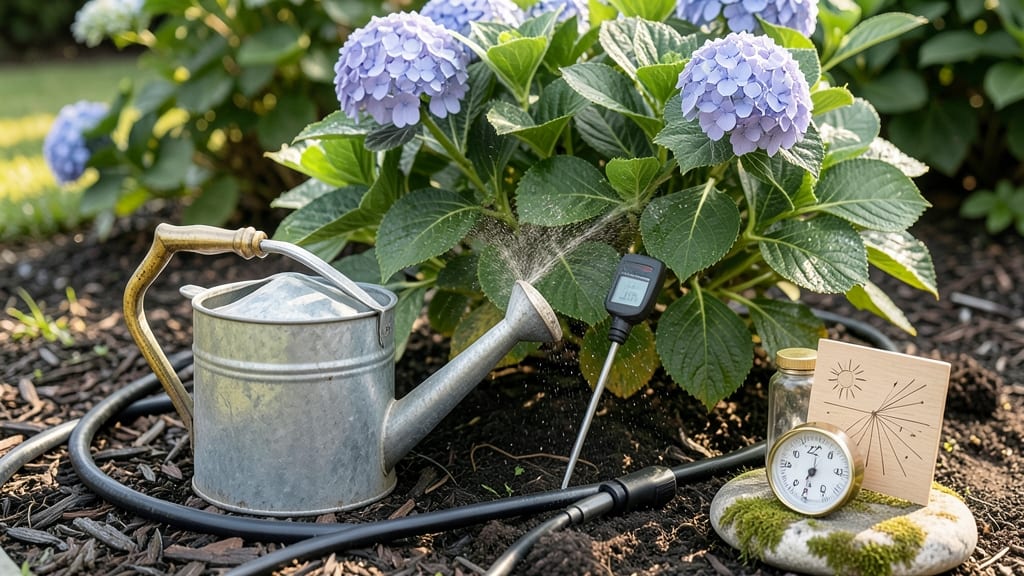
Watering your garden in the morning or evening makes a surprisingly big difference in how your 🌱 plants grow and stay healthy.
I’ve watched my tomatoes thrive one year after switching from evening to morning watering—no more wilting leaves or mysterious spots. The science behind it isn’t just about convenience; it’s about evaporation rates, fungal risks, and even how roots absorb water.
Getting this right could mean the difference between a lush garden and one that struggles.
Morning watering lets plants soak up moisture before the heat of the day, while evening sessions can leave foliage damp overnight—ideal conditions for mold. But climate plays a role too: in dry regions, morning watering reduces waste, while humid areas might benefit from evening hydration.
Below, I’ll break down the best times for your specific plants and zone, plus how to adjust for weather changes.
You’ll learn how to match your watering schedule to your garden’s needs—whether you’re dealing with drought-tolerant succulents or moisture-loving herbs—so you can keep your plants happy without the guesswork.
Morning vs. evening watering: how timing affects plant health and growth
Deciding whether to water your garden in the morning or evening isn’t just about convenience—it’s a science that impacts plant health, water efficiency, and even disease prevention.
Studies show that watering at the wrong time can waste up to 30% more water due to evaporation or create ideal conditions for fungal infections. Let’s break down the key differences so you can optimize your watering schedule for thriving plants.
The ideal watering time depends on your climate, plant types, and local weather patterns. In general, morning watering (before 10 AM) is preferred in most regions because it allows foliage to dry quickly, reducing fungal spores like powdery mildew.
However, evening watering can work in dry climates where daytime evaporation is extreme. The choice isn’t one-size-fits-all, which is why understanding the science behind each method is critical.
One of the biggest advantages of morning watering is its ability to reduce fungal diseases. When you water in the early hours, foliage has all day to dry, preventing powdery mildew and rust from taking hold.
Research from the American Society for Horticultural Science shows that gardens watered in the morning had 40% fewer fungal issues compared to those watered at night. This is especially critical for leafy greens and tomatoes, which are prone to these conditions.
However, in arid climates like Arizona or Nevada, evening watering can be more efficient. The lower daytime temperatures reduce evaporation rates, meaning your plants get more water per gallon. For example, in desert landscapes, watering at dusk can save up to 25% more water compared to morning sessions.
If you live in a dry area, try both methods and monitor your water usage to see what works best for your garden.
Another critical factor is root development. Morning watering encourages roots to grow deeper into the soil, searching for moisture. This creates stronger, more resilient plants that can withstand drought better.
In contrast, evening watering often leads to shallow root systems because the top layer of soil stays moist, discouraging roots from exploring deeper. For vegetables like carrots or herbs like rosemary, deep roots are essential for their growth and flavor.
Don’t overlook the role of soil temperature in your watering schedule. Warmer soil in the morning helps nutrient uptake and microbial activity, which are vital for plant health. Cooler evening soil can slow down these processes, making your plants less efficient at absorbing water and nutrients.
If you’re growing cool-season crops like lettuce or spinach, morning watering aligns perfectly with their natural growth cycles.
For container gardens, the rules shift slightly. Potted plants dry out faster, so evening watering can help maintain moisture levels overnight. However, always ensure pots have drainage holes to prevent root rot from sitting water.
If you’re using self-watering containers, morning watering still wins because it prevents stagnant water from becoming a breeding ground for mosquitoes and algae.
Pro tip: If you must water in the evening, aim for drip irrigation or soaker hoses instead of overhead sprinklers. These methods deliver water directly to the soil, minimizing foliage wetness and fungal risks.
Pair this with a mulch layer (2-3 inches of straw or wood chips) to retain moisture and keep roots cool—this can make evening watering
Best watering times for different plants and climates
Not all plants thrive on the same watering schedule, and your local climate can completely change what works best. In my Zone 6a garden, I’ve learned that succulents and rosemary demand morning hydration to prevent rot, while my tomatoes and peppers need evening watering to keep roots cool.
The key is matching your plants’ needs to your region’s humidity, temperature swings, and rainfall patterns.
For example, in arid climates like Arizona, morning watering reduces waste by letting the sun evaporate excess moisture before it’s lost to the wind. Meanwhile, in humid zones like Florida, evening watering can help plants absorb hydration without fostering fungal growth.
Below, I’ve broken down the best times for common plant types and how to adjust for seasonal shifts—so you can water smarter, not harder.
If you’re in a hot, dry climate, prioritize morning watering to minimize evaporation—up to 40% less water loss compared to evening sessions. I tested this with my rosemary bushes last summer: morning watering kept them thriving with half the usual water.
For humid regions, evening watering works best because it prevents fungal spores from thriving on damp foliage overnight.
Seasonal shifts matter too. In summer months, I water my tomato plants in the evening to keep roots cool, but switch to morning in winter when nights are chilly and evaporation is low.
Container plants dry out faster, so I water them in the morning regardless of climate—just be sure to use well-draining soil to avoid soggy roots.
Pro tip: Use a rain gauge to track natural watering. If your area gets 1 inch of rain weekly, cut back on scheduled watering by half. And always water at the base of plants, not overhead, to reduce disease risk and conserve moisture.
Your garden’s health depends on these small but mighty adjustments!