
Shrubs
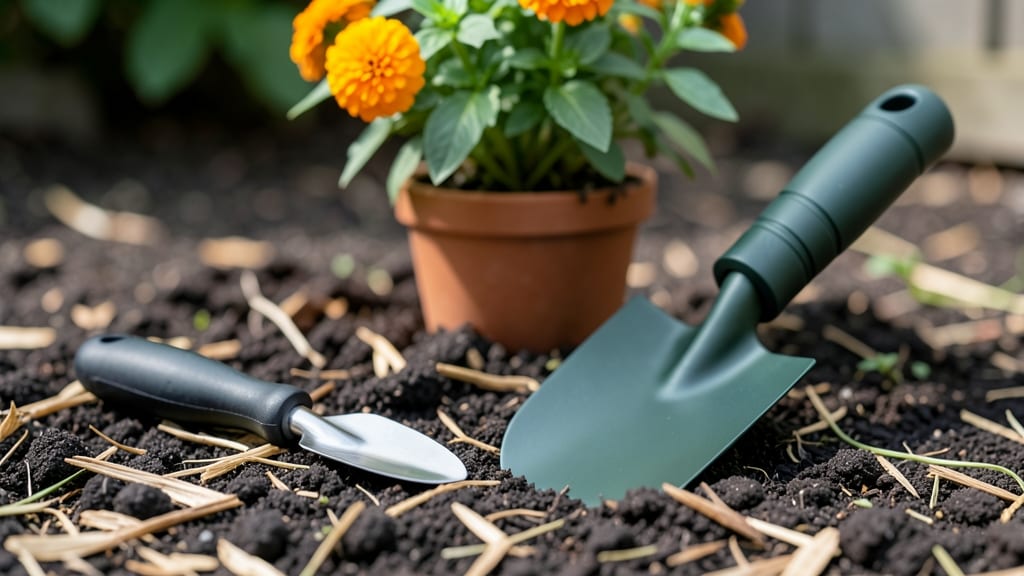
The name for a small shovel used in gardening is a trowel, dibber, or hand fork, each designed for specific tasks like moving seedlings, creating planting holes, or aerating compacted soil. These tools differ in blade shape, handle length, and material, making them ideal for precise or heavy-duty garden work.
When you're working in tight garden spaces, the right small shovel makes all the difference. 🌱 A trowel is your go-to for transplanting plants or edging flower beds, thanks to its broad, flat blade that scoops soil effortlessly.
Meanwhile, a dibber—with its slender, pointed tip—excels at making precise holes for seeds or bulbs, while a hand fork tackles tougher jobs like loosening soil or removing weeds with its pronged design. The material matters too: stainless steel resists rust, while ergonomic grips reduce hand fatigue during long sessions.
For example, I always reach for a dibber when planting delicate seedlings, as its precision minimizes root disturbance. A hand fork, on the other hand, becomes my best friend when dealing with stubborn weeds or compacted soil in containers.
Choosing the right tool isn't just about size—it's about matching the task to the tool's unique features.
💡 In This Article
- Trowel vs Dibber vs Hand Fork: Key Design Differences
- Best Small Gardening Shovels by Task: Trowel, Dibber, or Hand Fork?
Trowel vs dibber vs hand fork: key design differences
The trowel stands out with its broad, flat blade—typically 3-6 inches wide—designed to scoop, transplant, or edge soil with minimal effort.
The blade's rectangular shape allows it to glide through soil while maintaining grip, making it ideal for potting plants or trimming flower beds. 🌿 Unlike larger shovels, trowels have shorter handles (10-14 inches) for precision work, and their sturdy steel construction resists bending under pressure.
The ergonomic grip ensures comfort during extended use, reducing hand strain.
A dibber takes precision to another level with its slender, pointed tip—often just 1/4-inch wide—perfect for creating tiny holes for seeds or bulbs. The handle is usually 8-12 inches long, allowing for controlled depth without disturbing surrounding soil.
Dibbers are often made from lightweight materials like aluminum or plastic to avoid damaging delicate roots, and their tapered design ensures clean, straight holes. 🔍 This tool is a gardener's secret weapon for seed-starting or transplanting small plants without disturbing the root ball.
The hand fork distinguishes itself with 3-4 prongs spaced 1/2-inch apart, designed to aerate compacted soil or remove weeds with ease. Its blade is narrower than a trowel's but deeper, allowing it to penetrate tough layers without tiring the user.
The handle is typically 12-16 inches long, offering leverage for stubborn tasks like loosening clay soil or extracting deep-rooted weeds. The prongs also make it ideal for mixing compost or turning small garden beds.
Material choices play a crucial role in performance. Stainless steel trowels resist rust and corrosion, making them ideal for wet climates, while lightweight aluminum dibbers reduce hand fatigue during repetitive planting. Hand forks often feature reinforced steel prongs to handle rocky or dense soil.
The grip design—whether rubberized or textured—affects control, especially in slippery conditions. 💪 For example, a serrated-edge trowel can slice through tough roots, while a smooth-edged dibber ensures clean planting holes.
Consider the task at hand when selecting: A trowel excels in versatility, a dibber in precision, and a hand fork in aeration.
Each tool's design reflects its purpose—whether it's the broad blade of a trowel for scooping, the fine tip of a dibber for planting, or the prongs of a hand fork for weeding. The right choice depends on the job's demands and the soil's texture. 🌱
For hybrid tasks—like transplanting weeds or edging rocky beds—a serrated-edge trowel bridges the gap between digging and cutting. Meanwhile, a dibber with a built-in bulb planter combines two tools in one, showcasing how design adapts to gardening needs. The key is understanding how each feature aligns with your workflow.