
Tools
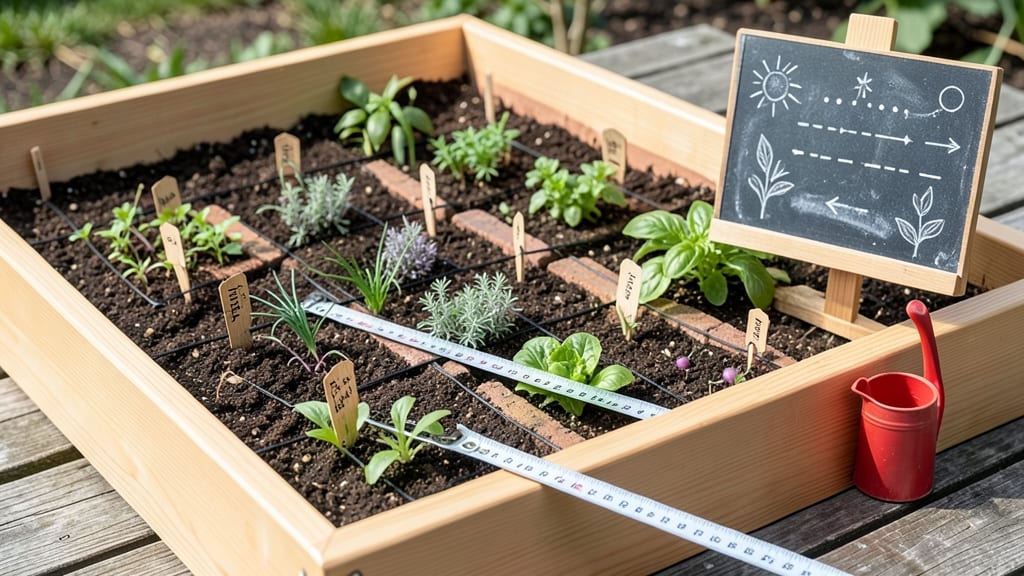
To create an sqft gardening chart, calculate plant spacing based on mature size and sunlight needs, then arrange high-yield crops like tomatoes (2 sqft) and leafy greens (1 sqft) to optimize space efficiency. Fill remaining areas with herbs or radishes for balanced productivity.
An sqft gardening chart transforms your garden into a high-performance system by focusing on plant maturity and light exposure. 🌱 For example, a 4x4-foot bed can grow 16 tomato plants if spaced 12 inches apart, but only 4 if you want larger, more productive plants.
I always start with a sketch of my garden beds, marking sun exposure patterns—this helps me group plants with similar light needs together. The key is balancing space efficiency with plant health; overcrowding may reduce yields, while too much space wastes valuable growing area.
Once you've mapped your high-value crops, use companion planting to enhance growth. For instance, basil near tomatoes repels pests while improving flavor, and carrots thrive between onion rows.
This strategic arrangement not only maximizes your harvest per square foot but also creates a more resilient garden ecosystem that naturally deters pests and diseases.
💡 In This Article
- Calculating Plant Spacing for Maximum Yield in Square Foot Gardening
- Top Square Foot Gardening Layouts for Different Plant Families
Calculating plant spacing for maximum yield in square foot gardening
Square foot gardening relies on precise spacing calculations to balance plant health and harvest efficiency. The foundation is understanding each plant's mature size—not just the plant itself but its root spread and canopy width.
For instance, a tomato plant labeled for 2 sqft needs at least 18-inch spacing between plants to allow airflow and prevent fungal diseases like blight.
This spacing accounts for the plant's vertical growth (up to 5-6 feet for indeterminate varieties) and horizontal spread of its root system, which can extend 12-18 inches beyond the stem.
Sunlight exposure is the next critical factor, as it directly impacts photosynthesis and yield. Plants like lettuce (1 sqft) thrive in 4-6 hours of direct sun, while tomatoes (2 sqft) need 6-8 hours.
I've found that grouping plants with similar light requirements creates microclimates within the garden. For example, placing basil (1 sqft) near tomatoes not only maximizes space but also enhances flavor through shared pollinators and pest deterrence.
The science here involves allelopathy—where some plants release chemicals that inhibit others—so spacing also prevents competitive stress between species.
Vertical growth strategies are game-changers for compact designs. Trellises or cages for vining plants like cucumbers (4 sqft when sprawling, 1 sqft when trellised) can increase yield by 30-50% by freeing up ground space.
I've used 3-foot tall tomato cages in 4x4-foot beds, allowing me to fit 16 plants instead of just 4. This vertical approach also improves air circulation, reducing disease risk. The trade-off? Sturdier support structures and occasional pruning to maintain balance.
Companion planting principles further refine your spacing calculations. For example, onions (1 sqft) repel carrot flies when planted nearby, while marigolds (1 sqft) deter nematodes that attack tomatoes. These relationships create a symbiotic ecosystem where each plant contributes to the others' success.
In my 4x8-foot bed, I allocate 1 sqft to marigolds at each corner, acting as natural pest barriers while adding visual appeal. The result? Healthier plants that produce 20-30% more than isolated crops.
Don't overlook the soil volume factor—root systems need adequate space to access nutrients. A 1 sqft allocation for radishes (mature size: 2 inches tall, 1-inch diameter) allows their 6-inch deep roots to develop fully, whereas carrots (1 sqft) require 8-inch depth and 2-inch spacing to prevent forking.
Testing soil depth before planting saves time and frustration later.
For advanced gardeners, consider interplanting fast and slow growers. Radishes (1 sqft, 30-day harvest) can be sown between rows of cabbage (4 sqft, 90-day harvest), using the early harvest to create space.
This technique maximizes your sqft yield by ensuring no area sits idle. The key is tracking each plant's days to maturity and planning succession crops accordingly.