
Vegetables
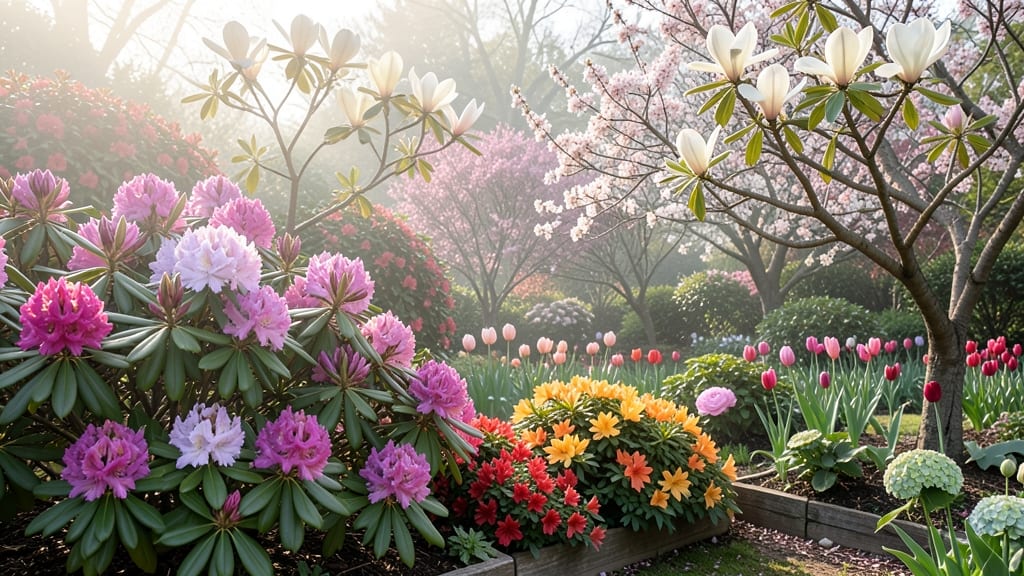
The Butchart Gardens in Victoria, BC, are world-famous floral displays spanning 55 acres, featuring themed gardens, vibrant seasonal blooms, and iconic glasshouses showcasing rare plants and orchids year-round. Designed by Jennie Butchart, they blend horticultural artistry with stunning ocean views.
The Butchart Gardens in Victoria, BC, offer more than just beautiful flowers—they're a living testament to visionary landscaping. 🌸 Originally a limestone quarry transformed in 1904, these gardens showcase over 200,000 plants across 55 acres, including rare orchids and vibrant seasonal displays.
What makes them special is their perfect harmony with nature, featuring dramatic ocean views and meticulously designed themed sections like the Sunken Garden and Rose Garden. The glasshouses alone house thousands of tropical plants, creating microclimates that showcase biodiversity year-round.
Visitors often marvel at how the gardens evolve with each season, from spring tulip festivals to winter light displays. The night gardens, illuminated after dark, provide a magical experience that's especially popular during summer evenings.
What's fascinating is how Jennie Butchart's original vision has been preserved while expanding to include modern conservation efforts, making it both a horticultural masterpiece and an educational resource.
💡 In This Article
- History and Design of Victoria’s Legendary Butchart Gardens
- Best Times to Visit and Must-See Features at Butchart Gardens
History and design of Victoria’s legendary butchart gardens
The Butchart Gardens began life as a limestone quarry in 1904, when Jennie Butchart transformed the industrial site into a breathtaking floral sanctuary. She was inspired by her husband's success with the Pacific Rim Cement Company and sought to create something equally remarkable using the quarry's unique topography.
The limestone walls, some reaching 30 feet high, became natural planters that still frame the gardens today, creating dramatic vertical displays of cascading flowers and foliage.
Jennie's design philosophy centered on creating "rooms" within the gardens, each with its own distinct character. The Sunken Garden, for example, was engineered to be 20 feet below ground level, requiring precise drainage systems and structural supports to prevent erosion.
This innovative approach allowed for lush plantings while maintaining the natural contours of the original quarry.
The Rose Garden, another centerpiece, features over 1,000 rose bushes arranged in geometric patterns that bloom from May through October, with peak fragrance typically reaching its intensity between 10 AM and 3 PM on sunny days.
The gardens' evolution into a global landmark required overcoming significant challenges.
The original limestone quarry contained acidic water that would have made plant growth difficult, so Jennie implemented an ingenious lime treatment system that neutralized the soil pH. This allowed for the introduction of delicate acid-loving plants like azaleas and rhododendrons that now thrive in the Japanese Garden section.
The glasshouses, added later in the 20th century, create microclimates that maintain 75-85°F temperatures year-round, enabling the cultivation of tropical orchids and ferns that would otherwise perish in Victoria's mild but unpredictable coastal climate.
What makes the Butchart Gardens truly unique is their adaptive design that responds to both natural and human elements. The Night Gardens, for instance, were specifically engineered with low-voltage lighting that enhances the natural bioluminescence of certain plants while minimizing light pollution that could disrupt nearby wildlife habitats.
The gardens also incorporate sustainable practices like rainwater harvesting systems that collect and filter over 500,000 gallons annually, reducing reliance on municipal water sources by 30% during peak growing seasons.
The original vision has been carefully preserved while expanding to include modern conservation efforts. Today, the gardens feature 15 distinct themed areas that showcase everything from alpine plants to desert cacti, all while maintaining Jennie Butchart's original aesthetic of harmonious integration with the natural landscape.
The Italian Garden, for example, replicates Renaissance-era designs with its symmetrical pathways and terracotta pots, while the Native Plant Garden highlights indigenous species that thrive without irrigation, demonstrating sustainable landscaping principles.
Visitors often remark on how the gardens feel like a living museum where each element tells a story. The Sunken Garden's original design included a fountain system that was later adapted to incorporate recycled water, while the glasshouses now feature interactive displays explaining the science behind plant propagation.
This blend of historical preservation and modern innovation creates an experience that educates as much as it inspires, making the Butchart Gardens more than just a floral display—they're a testament to how human creativity can transform industrial spaces into ecological masterpieces.