
Tools
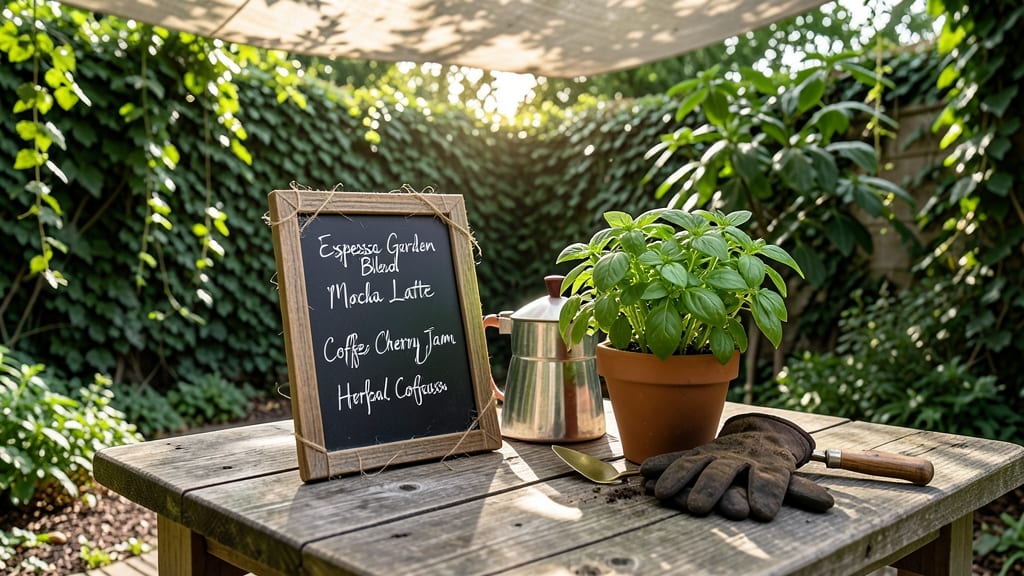
The Coffee Garden menu transforms seasonal botanicals into unforgettable dishes, combining edible flowers, fresh herbs, and locally grown produce with coffee-infused techniques. Think floral cocktails, herb-roasted coffee-rubbed meats, and desserts drizzled with coffee syrup, all paired with vibrant garden salads.
The menu's magic lies in its botanical-forward approach, where every dish tells a story through ingredients like nasturtium petals in cocktails or lavender-infused coffee syrups. 🌿 For example, their signature coffee-rubbed lamb chops pair perfectly with roasted heirloom carrots and a balsamic reduction, while the dessert menu features coffee-drizzled chocolate mousse topped with edible violets.
The seasonal rotation ensures no two visits feel the same—spring might bring pea shoots and mint, while fall highlights rosemary and chestnuts.
What makes this menu stand out isn't just the flavors but the sustainability behind it—many ingredients are grown on-site or sourced from nearby farms. The coffee-infused elements add depth without overpowering, creating a balance that feels both rustic and refined.
Whether you're a foodie or just love unique dining experiences, this menu delivers an immersive taste of nature's bounty.
💡 In This Article
- Botanical Ingredients Behind Coffee Garden’s Signature Dishes
- How to Recreate Coffee Garden-Inspired Dishes at Home
Botanical ingredients behind coffee garden’s signature dishes
The Coffee Garden’s menu thrives on a symphony of botanicals where each ingredient plays a specific role in flavor and presentation. Take edible flowers like nasturtiums and violets—their bright colors and subtle floral notes transform cocktails and salads into visual masterpieces.
For instance, nasturtium petals add a peppery bite to drinks, while violets lend a delicate sweetness that pairs beautifully with coffee’s bitterness. These flowers aren’t just garnishes; they’re functional, enhancing dishes with their unique aromas and textures.
Coffee-infused syrups are another star, where the natural acids in coffee (like chlorogenic acid) interact with sugar during slow reduction, creating a complex, caramelized depth. The menu’s rosemary and thyme aren’t just herbs—they’re cultivated using specific pruning techniques to maximize their essential oils.
For example, rosemary’s pine-like aroma intensifies when harvested just before flowering, while thyme’s earthy notes peak in late summer. These herbs are often roasted with coffee beans to create a rub for meats, where the smoky coffee and herbal notes meld into a rich, aromatic crust.
Seasonality dictates the menu’s rotation, ensuring dishes reflect what’s freshest in the garden or local farms. In spring, you’ll find pea shoots and mint>—their bright, grassy flavors cutting through rich coffee notes. By fall, rosemary and chestnuts take center stage, their woodsy sweetness complementing coffee’s bitterness.
This approach isn’t just about taste; it’s about sustainability. Many ingredients are grown on-site or sourced within a 50-mile radius, reducing carbon footprints while maximizing freshness.
The science behind these pairings lies in flavor chemistry. Coffee’s tannins bind with herbal oils, creating a smoother mouthfeel, while floral compounds in edible flowers act as natural brighteners, balancing coffee’s intensity.
For example, a dessert drizzled with lavender-infused coffee syrup benefits from lavender’s coumarin compounds, which enhance sweetness perception. This is why the menu’s desserts—like coffee-drizzled chocolate mousse—taste richer without extra sugar.
Consider the textural contrast in their signature coffee-rubbed lamb chops: the crispy coffee-herb crust gives way to tender meat, while a balsamic reduction ties everything together. The reduction’s acidity (from vinegar) reacts with coffee’s tannins, softening their astringency and creating a velvety finish.
It’s a perfect example of how botanicals and coffee work in harmony to elevate simple ingredients into something extraordinary.
For those curious about recreating these flavors at home, start with high-quality coffee beans—dark roasts work best for syrups because their oils contribute to richness. Pair them with fresh herbs like rosemary or thyme, and experiment with edible flowers from your garden or a local farmer’s market.
The key is balance: let the botanicals shine while using coffee as a supporting player, not the star.
What’s fascinating is how these ingredients transform based on preparation. For instance, lightly toasting rosemary before using it in a coffee rub intensifies its aroma, while steeping violets in warm coffee syrup (instead of boiling) preserves their delicate flavor.
These small tweaks make all the difference between a good dish and a memorable one.