
Tools
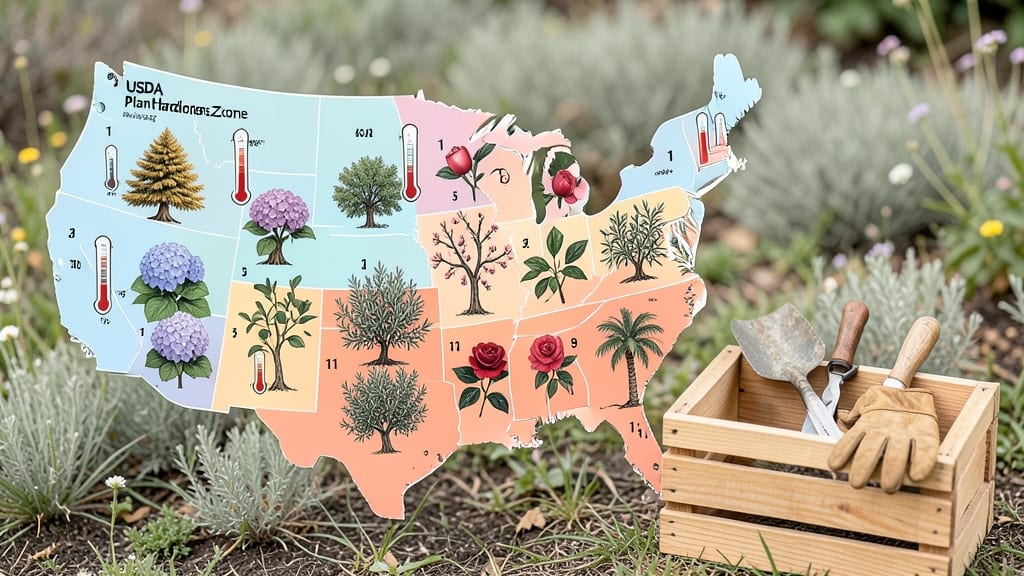
USA garden zones categorize regions by average minimum winter temperatures to determine which plants thrive in your area, using a 10°F increment scale from Zone 1 (coldest) to Zone 13 (warmest). Check the USDA Plant Hardiness Zone Map for precise guidance on planting and seasonal care.
Understanding your USA garden zones is like having a climate decoder for your yard.
These zones help you match plants to your local frost patterns, ensuring they survive winter's chill. 🌱 For example, a Zone 5 gardener can grow hardy perennials like coneflowers, while a Zone 9 gardener might focus on citrus trees.
The USDA map even accounts for microclimates—like a sunny south-facing wall that stays warmer than the rest of your yard—so you can fine-tune your planting strategy for success.
Here's a pro tip: If you live near a large body of water or at high elevation, your actual growing conditions might differ from the general zone. For instance, mountain areas can be 2-5°F colder than surrounding lowlands.
Always verify with the interactive USDA map, which lets you zoom in to your exact location for the most accurate planting advice.
💡 In This Article
- How USDA Plant Hardiness Zones Work
- Finding and Using Your Local Garden Zone
How USDA plant hardiness zones work
The USDA Plant Hardiness Zone Map divides North America into 13 zones based on the average annual minimum winter temperature, measured over a 30-year period. Each zone represents a 10°F increment, with Zone 1 being the coldest (below -50°F) and Zone 13 the warmest (above 60°F).
For example, Zone 6 (common in the Midwest) ranges from -10°F to 0°F, while Zone 10 (Florida, Southern California) stays above 30°F. These temperature thresholds determine which plants can survive winter dormancy in your area.
What makes this system so precise is how it accounts for the coldest temperatures plants will encounter—not the average daily temperature. Plants like peonies (Zone 3-8) can handle -40°F winters, while bougainvillea (Zone 9-11) wilts below 25°F.
The map also reflects long-term climate data, updated every 10 years to adapt to shifting weather patterns. This ensures gardeners have the most current information for selecting cold-hardy varieties.
Microclimates add another layer of complexity. A single yard might have multiple zones due to factors like sun exposure, wind patterns, or soil type. For instance, a north-facing slope can be 5°F colder than the rest of your property, while a south-facing wall might be 3°F warmer.
These variations explain why some plants thrive in one spot but struggle just a few feet away. Paying attention to these nuances helps you create microenvironments for heat-loving plants in cooler zones or protect tender species from frost pockets.
Science plays a key role in how these zones are calculated. Meteorologists analyze 30-year temperature averages to smooth out year-to-year fluctuations, then apply statistical models to predict survival rates. This data helps nurseries label plants with their hardiness zones, giving you confidence in your selections.
For example, a Zone 5 tomato plant won't survive winter in Zone 3, but it will thrive in summer heat. Understanding these boundaries prevents costly mistakes in garden planning.
Here's what most people overlook: The USDA zones focus solely on winter survival, not summer heat tolerance. Plants like okra (Zone 7-11) need hot summers but can't handle below 20°F winters. This is why some gardeners in Zone 6 grow okra in containers and bring it indoors during winter.
The zones are just one piece of the puzzle—soil, sunlight, and water needs matter just as much.
To put it simply: Your garden zone is like a climate fingerprint for your property. It tells you which plants can handle your area's worst weather, but you still need to consider other factors like wind exposure or soil drainage for complete success. 🌡️