
Tools
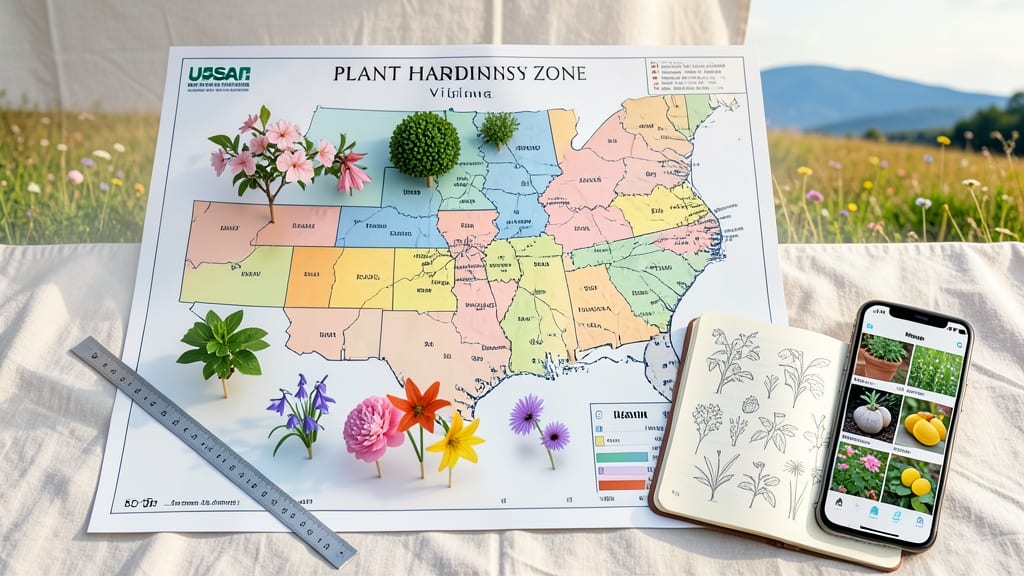
Virginia's garden zones range from USDA Hardiness Zones 4 through 8, with most areas falling between 5a and 7b. These zones vary significantly based on elevation and coastal proximity, so always verify your exact location using the Virginia Cooperative Extension’s interactive map before selecting perennials or frost-sensitive plants.
Virginia's diverse geography creates unique growing conditions—mountainous regions like the Blue Ridge push zones upward to 4 or 5, while coastal areas near Norfolk reach zone 8. Microclimates further complicate things: valleys trap cold air (creating frost pockets), and urban areas can be 5-10°F warmer than rural spots. 🌿 For example, a garden in Charlottesville (zone 7a) might need different care than one just 20 miles away in the Shenandoah Valley (zone 6b).
The key is observing your specific microclimate for at least 3 years before committing to cold-hardy plants.
This variability means Virginia gardeners often plant in transitional zones (like 6a-7a) where plants need flexibility. Native species like Virginia sweetspire or eastern redbud thrive here, while non-natives like dwarf lilacs may struggle in colder pockets.
For annuals, start seeds indoors 6-8 weeks before your last frost date—typically late March in the south to early May in higher elevations.
💡 In This Article
- How Virginia’s Elevation and Microclimates Affect Plant Hardiness
- Best Plants for Virginia’s Mixed Garden Zones
How Virginia’s elevation and microclimates affect plant hardiness
Virginia’s garden zones aren’t just about latitude—they’re shaped by dramatic elevation changes and local climate quirks. The state’s highest points, like Mount Rogers at 5,729 feet, plunge into USDA Zone 4, where winter temperatures can drop below -30°F.
In contrast, coastal areas near Virginia Beach sit in Zone 8, where palm trees thrive and frost is rare. The Piedmont region—Virginia’s breadbasket—typically falls in Zones 6b-7a, offering a middle ground for most gardeners.
Microclimates add another layer of complexity. Frost pockets in valleys (like those in the Shenandoah Valley) can be 5-10°F colder than surrounding hills, creating "cold traps" where tender plants like oleanders or bougainvillea may fail.
Meanwhile, urban heat islands in cities like Richmond push temperatures up by 3-5°F compared to rural areas, allowing gardeners to grow plants one zone harder than official maps suggest. Even a 10-foot slope can shift your microclimate enough to warrant different plant choices!
Water bodies also play a role. The Chesapeake Bay’s moderating influence keeps nearby areas like Yorktown in Zone 8, while inland spots like Blacksburg hover around Zone 6b. Coastal breezes delay first frosts by 2-4 weeks compared to inland locations.
For gardeners, this means timing is everything—planting tender perennials like salvias in late May (after average last frost) could work in Zone 7a but fail in a nearby Zone 6b pocket.
Soil type matters too. Sandy coastal soils drain quickly, warming faster in spring, while clay-rich Piedmont soils hold cold longer. A garden in Zone 7a with poor drainage might experience colder winters than one with well-drained soil just a mile away.
The solution? Observe your space for 3 growing seasons, noting frost dates, heat buildup, and plant performance before committing to high-maintenance species.
For precise planning, use the Virginia Cooperative Extension’s interactive zone map, which overlays elevation data with historical temperature records. Pro tip: If you’re in a transitional zone (like 6a-7a), choose plants labeled "zones 5-8" for flexibility.
Native species like Virginia bluebells or wild columbine already adapt to these variations—making them low-maintenance winners.
Remember: Microclimates aren’t just about cold. Summer heat in Zone 7b can stress plants like hydrangeas if they’re not acclimated, while coastal humidity may encourage fungal diseases in Zone 8. The key is matching plants to your specific conditions—not just the zone number.