
Vegetables
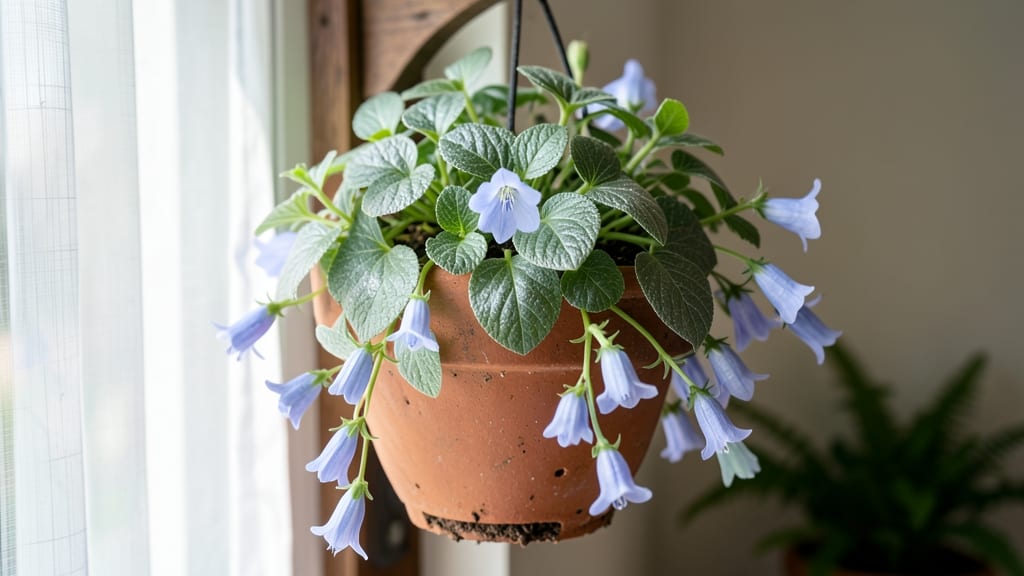
Weather bell gardens grow best when planted in late winter to early spring (USDA Zones 3-9) after the last frost, in well-draining soil with full sun exposure. Timing adjustments based on local frost dates and rainfall patterns maximize flowering and yield.
Planting bell gardens at the right time ensures vibrant blooms and healthy growth. The key is aligning with your local climate's frost-free window, which typically falls between late February and early April in most regions.
Bell gardens, especially varieties like Shamrock or Blue Boy, thrive in warm conditions but need a head start in cooler zones.
I've found that soil temperature plays a crucial role—waiting until the ground reaches at least 60°F prevents stunted growth. 🌱 Coastal areas may have earlier planting windows, while inland regions often need to wait until after the last frost date to avoid cold damage.
Another critical factor is sunlight exposure. Bell gardens demand at least 6-8 hours of direct sun daily to produce their signature vibrant blooms. In regions with intense summer heat, providing afternoon shade can prevent wilting.
I recommend monitoring your garden's microclimate—areas near buildings or trees may have different temperature profiles than open spaces. Adjusting your planting schedule based on these microclimates can make all the difference in achieving the best possible yield.
💡 In This Article
- How Climate Zones Affect Bell Garden Planting Timing
- Seasonal Planting Calendar for Bell Gardens by Region
How climate zones affect bell garden planting timing
Bell gardens rely heavily on climate zones because their delicate foliage and blooms are highly sensitive to temperature fluctuations. The USDA hardiness zones (3-9) provide a baseline, but frost-free dates—typically ranging from mid-March in Zone 9 to late May in Zone 3—dictate the real planting window.
For example, in Zone 5, where average winter lows dip to -20°F, gardeners should wait until after the last frost (usually mid-May) to avoid cold damage to young plants.
Coastal areas, however, often experience milder winters due to ocean currents, allowing for earlier plantings—sometimes as early as February—while inland regions may need to delay until April to escape late frosts.
Heat tolerance varies by variety, but most bell gardens struggle when daytime temperatures exceed 85°F for extended periods. Varieties like Shamrock (a hybrid) handle heat better than heirloom types, which may bolt (flower prematurely) in 90°F+ conditions.
This is why Southern gardeners in Zones 8-9 often opt for fall plantings to avoid summer heat stress.
In contrast, Northern gardeners (Zones 3-5) focus on early spring plantings, using row covers to extend the growing season by 2-4 weeks and protecting against late frosts that can kill tender seedlings.
Microclimates—small areas with unique temperature or moisture conditions—can shift planting windows by 2-3 weeks. A south-facing slope, for instance, warms up faster in spring than a shaded valley, allowing for earlier plantings.
I’ve seen gardeners in Zone 6 plant bell gardens on sunny slopes by late April while their neighbors in low-lying areas wait until mid-May.
Similarly, urban heat islands (where pavement and buildings trap warmth) can create microclimates where soil temperatures reach 60°F a week earlier than rural areas, giving city gardeners a head start.
Rainfall patterns also play a critical role in timing. Bell gardens prefer 1-1.5 inches of water weekly, but excessive rainfall in spring can lead to root rot or fungal diseases like powdery mildew.
In Zone 7, where spring showers are common, gardeners often delay planting until the soil dries enough to support seedling growth—usually after 3-4 consecutive dry days. Drought-prone regions, like parts of Zone 9, may require irrigation scheduling to ensure consistent moisture without waterlogging.
Adjusting planting dates based on local rainfall forecasts can mean the difference between lush blooms and leggy, weak plants.
For gardeners in transitional zones (e.g., Zone 6b), where winters are harsh but summers are hot, a two-part strategy works best: Start seeds indoors 6-8 weeks before the last frost to get a jump on the season, then transplant hardened-off seedlings after soil temperatures stabilize at 60°F.
This approach mitigates the risk of late frosts while ensuring plants mature before summer heat sets in. 🌿
One often-overlooked factor is wind exposure. Coastal gardens in Zone 8 may experience strong offshore winds that dry out soil and stress plants, while inland areas might have calmer conditions. Using windbreaks or choosing compact varieties like Blue Boy can help offset these challenges.
The interplay of wind, temperature, and humidity creates a complex puzzle—mastering it means your bell gardens will thrive year after year.