
Flowers
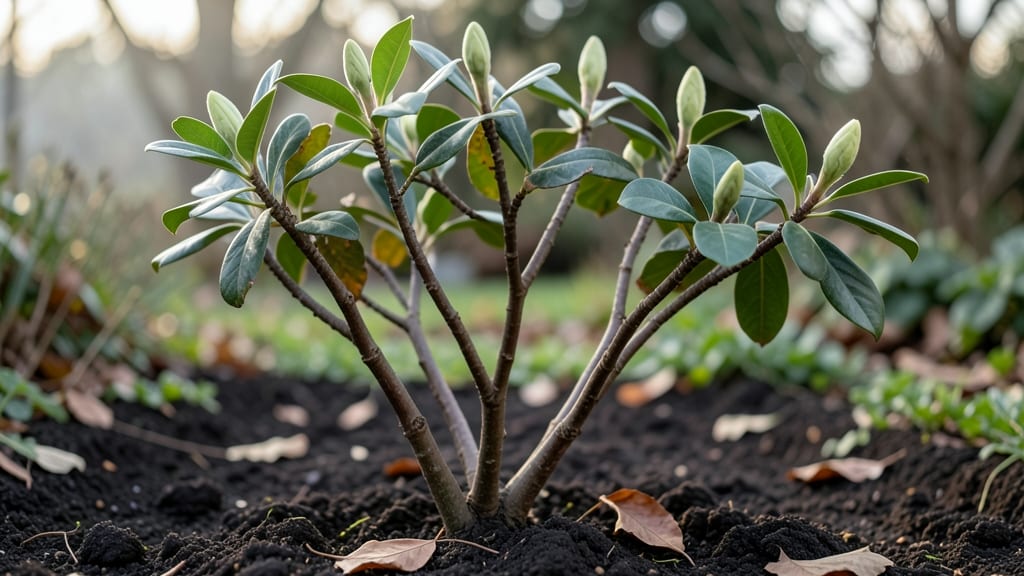
What do gardenias look like in winter? They often lose their showy blooms but reveal their evergreen leaves and dormant buds 🌸 — a quiet beauty that surprises many plant owners.
You might expect them to shed leaves entirely, but their glossy, dark foliage stays lush through the cold months, a stark contrast to other plants that go bare. This evergreen trait is what makes gardenias stand out in winter landscapes, even when the flowers fade.
Below, I’ll break down what healthy winter foliage looks like, how to spot dormant buds preparing for spring, and the care adjustments that keep your gardenia thriving until the blooms return.
If you’ve ever wondered whether your gardenia’s winter look is normal—or how to encourage those fragrant blooms next season—this guide has the answers you need.
Gardenia winter foliage: how evergreen leaves stay lush through cold months
When winter arrives, many plants shed their leaves or enter dormancy, but gardenias defy expectations with their evergreen foliage. Unlike deciduous plants, gardenias retain their glossy, dark green leaves year-round, creating a striking contrast against bare branches.
This unique trait makes them a favorite for winter interest in landscapes, especially in USDA Zones 8-10 where they thrive outdoors.
The secret behind gardenia's winter resilience lies in their thick, leathery leaves and dense waxy coating. These adaptations prevent moisture loss and protect against cold temperatures, allowing the plant to photosynthesize even in cooler months.
In milder climates, gardenias maintain their vibrant green hue, while in colder regions, you might notice a subtle shift to a slightly bluish tint as temperatures drop.
Here’s what to expect from gardenia foliage in winter, including key differences between healthy and struggling plants:
In warmer climates, gardenias may continue growing slowly, producing new leaves and even occasional blooms. However, in cooler regions, growth nearly halts, and the plant focuses on conserving energy. This dormancy is normal and ensures the plant rebounds strongly in spring.
If you notice yellowing leaves or leaf drop, it could signal overwatering, poor drainage, or cold stress.
One of the most striking features of winter gardenias is their glossy sheen, which becomes more pronounced as the plant sheds old leaves. The remaining foliage often appears darker and tighter on the branches, creating a neat, manicured look.
This is especially noticeable in mature gardenias (3-6 feet tall), where the dense canopy provides year-round structure.
Climate plays a huge role in how gardenias look in winter. In Zone 10, where temperatures rarely drop below 30°F, gardenias may look nearly identical to their summer appearance, just with fewer blooms.
But in Zone 8, where frosts are common, you’ll see a more pronounced slowdown in growth and a deeper green hue as the plant conserves resources.
If your gardenia is struggling, check for pests like spider mites or fungal diseases, which thrive in damp winter conditions. Healthy gardenias should have firm stems and no signs of mold. Prune back any dead or diseased branches in late winter to encourage new growth when spring arrives.
Pro tip: Mulch around the base of your gardenia with 2-3 inches of organic mulch (like pine bark) to insulate roots and retain moisture. This simple step can make a huge difference in how well your plant survives winter and rebounds in spring.
Gardenias are a standout choice for winter interest, offering both texture and color when many other plants are dormant. By understanding their unique winter adaptations, you can care for them effectively and enjoy their lush foliage year-round.
Dormant gardenia buds: what they look like and how to encourage spring blooms
When your gardenia’s summer blooms fade, you might assume the plant is dead—but dormant buds are already forming, hidden beneath the glossy leaves.
These tiny, tightly packed structures are the key to next season’s fragrant flowers, and knowing how to spot them can help you prepare for a spectacular spring rebloom.
Unlike deciduous plants that lose all foliage, gardenias retain their evergreen leaves year-round, making dormant buds easier to locate. They appear as small, green or brownish swellings along the stems, often clustered near leaf nodes.
These buds are your plant’s secret promise of future blooms, but they need the right conditions to thrive.
⚠️ WARNING: Don’t confuse dormant buds with dead growth! Many gardeners mistake shriveled, brown buds for healthy ones—but these are often failed blooms from the previous season. Healthy dormant buds should feel firm to the touch and show a slight bulge under the leaf axils.
If you see wrinkled or hollow buds, your plant may need better winter care or pruning to remove dead tissue before spring.
To encourage these buds to open into vibrant blooms, start with proper winter pruning. Use clean, sharp pruners to trim back any dead or crossing branches in late winter (February-March).
This improves airflow and redirects energy toward bud development. Avoid heavy pruning now—just shape lightly to maintain the plant’s natural form and encourage new growth.
Mulching is another critical step for winter protection. Apply a 2-3 inch layer of organic mulch (like pine bark or shredded leaves) around the base of your gardenia. This insulates the roots from temperature fluctuations and retains moisture, which dormant buds need to stay hydrated.
Just keep mulch 6 inches away from the trunk to prevent rot.
Finally, protect your gardenia from harsh winter winds and frost. If you’re in USDA Zones 7 or colder, consider wrapping the plant in burlap or using a frost cloth for extra insulation.
Even in milder zones, morning sun exposure is key—position your gardenia where it gets dappled sunlight to avoid stress. With these steps, your dormant buds will wake up stronger and ready to bloom by spring.
By early spring, you’ll start seeing new growth at the tips of branches, signaling that your dormant buds are activating.
Keep an eye out for tiny green shoots—this is your cue to resume regular watering and fertilize lightly with an acidic, bloom-boosting formula to set the stage for a spectacular floral display.