
Tools
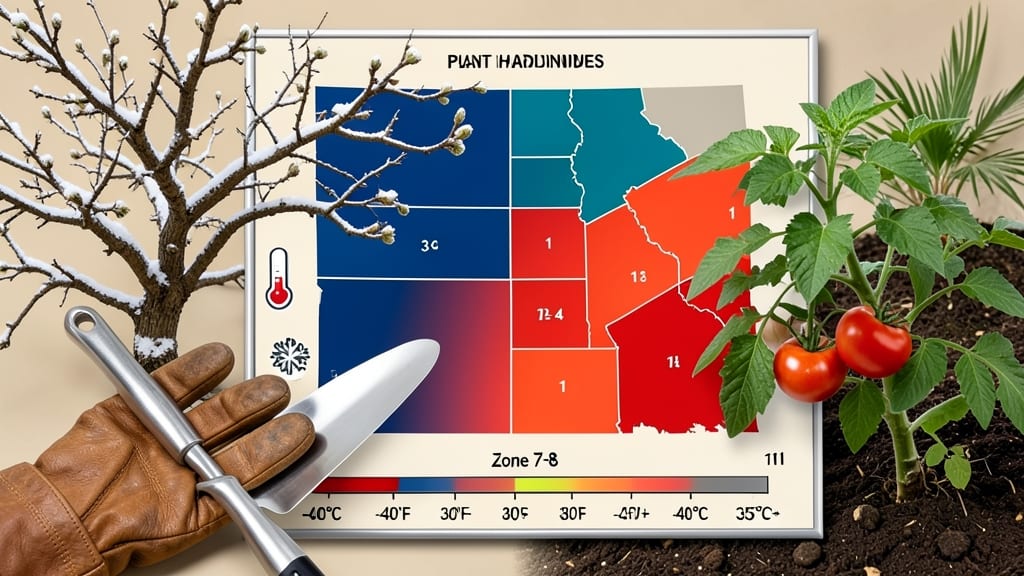
Gardening zones mean climate-based regions where specific plants thrive year-round by measuring average minimum winter temperatures. These zones help gardeners select cold-hardy species suited to their local conditions for successful growth and survival.
Gardening zones are essentially climate maps that tell you which plants can survive winter in your area. 🌱 The USDA Plant Hardiness Zone system, for example, divides the U.S. into 13 zones based on the coldest average winter temperatures—think of it as a plant-friendly zip code.
This helps you avoid costly mistakes, like planting tropical flowers in a zone where they’ll freeze overnight. For instance, a Zone 5 gardener can safely grow hardy perennials like coneflowers, while a Zone 10 gardener might focus on citrus or bougainvillea.
What’s interesting is that zones aren’t just about latitude—they account for elevation, urban heat islands, and even microclimates near bodies of water. For example, a backyard on a south-facing slope might be 2-3 zones warmer than the official zone for your city.
Always check your exact zone using the USDA interactive map, and when shopping for plants, look for their recommended zone range on the tag. This small step can mean the difference between a thriving garden and a sad pile of dead plants.
💡 In This Article
- How Gardening Zones Are Calculated and Mapped
- Practical Ways to Use Gardening Zones for Plant Selection
How gardening zones are calculated and mapped
The USDA Plant Hardiness Zone system divides regions based on average annual minimum winter temperatures, measured over a 30-year period. These zones range from Zone 1 (below -50°F) in Alaska to Zone 13 (above 100°F) in Hawaii, with each zone representing a 10°F difference.
For example, Zone 5 endures -20°F to -10°F, while Zone 9 stays above 20°F. This precision helps gardeners match plants to their local climate.
Geographic factors like latitude, elevation, and proximity to water significantly influence zone mapping. Higher elevations can be 3-5 zones colder than nearby lowlands because temperatures drop about 3.5°F per 1,000 feet.
Coastal areas often experience milder winters due to ocean currents, creating microclimates where Zone 7 plants might thrive in a Zone 6 region.
The UK uses the RHS Hardiness Rating, which focuses on frost resistance rather than winter minimums, while Canada’s system aligns closely with the USDA but includes additional sub-zones for finer precision.
Here’s how the science works: Plants have genetic cold tolerance thresholds, and zones help predict which species can survive winter stress. For instance, a Zone 6 maple tree can handle -10°F, but a Zone 8 citrus tree will die if exposed to 28°F.
The system accounts for heat retention in urban areas (like concrete absorbing sunlight) and wind exposure (which can drop temperatures further). This is why your backyard might feel like a different zone than the official map.
To find your zone, use the USDA Interactive Map—it factors in your exact location, elevation, and historical weather data. For example, Denver (Zone 5b) can feel like Zone 6 in sheltered microclimates, while a north-facing slope might behave like Zone 4.
This level of detail ensures you’re not just guessing—you’re making data-driven choices for your garden’s success. 🌡️
Globally, zone systems vary. The UK’s RHS Hardiness Ratings use letters (H7 for -15°F to -10°F) and focus on frost survival, while Australia’s Australian Hardy Plant Society (AHPS) Zones prioritize summer heat tolerance.
These differences highlight why understanding your local system is critical—what thrives in Zone 8 California may fail in Zone 8 Florida due to humidity and summer heat.
Pro tip: Check the lowest recorded temperature in your area—it’s often colder than the zone average. For example, a Zone 6 might hit -25°F in extreme winters, so opt for plants rated for Zone 5 if you’re risk-averse. This extra caution can save your garden from unexpected freezes. ❄️