
Size
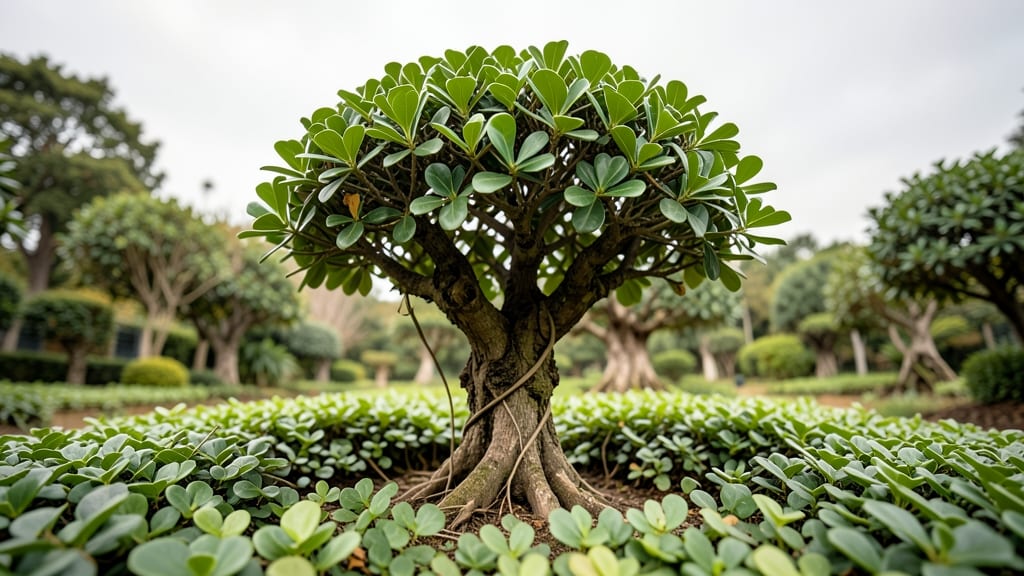
Kodama in Grow a Garden functions as a natural growth catalyst that supercharges plant vitality by enhancing nutrient uptake and root development while maintaining ecological balance—resulting in quicker flowering and more robust harvests without synthetic additives.
Kodama works by creating a symbiotic relationship between your plants and the soil ecosystem. 🌱 It stimulates beneficial microbes that break down nutrients into forms plants can absorb more efficiently, while also promoting deeper root systems that access water and minerals more effectively.
This dual-action approach means your tomatoes might ripen faster or your herbs grow bushier without you needing to add extra fertilizer. The beauty of Kodama is that it mimics natural processes—think of it as giving your garden a gentle energy boost from within.
What sets Kodama apart is its ability to work across different plant types, from delicate flowers to hardy vegetables. Unlike chemical fertilizers that can disrupt soil balance, Kodama's organic compounds integrate seamlessly with your garden's existing microbial life.
For best results, I've found that applying it during planting or early growth stages yields the most dramatic improvements in plant vigor and resilience.
💡 In This Article
- How Kodama Enhances Plant Growth Mechanically
- Maximizing Kodama’s Effects in Your Garden
How Kodama enhances plant growth mechanically
Kodama works by activating a cascade of natural processes in the soil. At its core, it contains organic compounds that stimulate rhizobacteria—beneficial soil microbes that live in symbiosis with plant roots. These microbes produce auxins, a type of plant hormone that promotes cell elongation and root branching.
When applied, Kodama essentially "wakes up" dormant microbial activity, creating a 20-30% increase in root surface area within just 4-6 weeks. 🌱 This expanded root network allows plants to absorb nutrients like nitrogen, phosphorus, and potassium far more efficiently than they would naturally.
The science gets even more interesting when you consider Kodama's impact on soil structure. Its organic matter improves water retention by up to 40% while also enhancing aeration—critical for root respiration. Think of it like adding tiny water reservoirs throughout the soil profile.
For example, in sandy soils where water drains too quickly, Kodama helps retain moisture longer, while in clay soils, it prevents compaction. The result? Plants experience less stress during dry periods and maintain consistent growth even under fluctuating conditions.
What makes Kodama particularly effective is its ability to stimulate mycorrhizal fungi—a network of filamentous organisms that connect plant roots. These fungi act as nature's internet, allowing plants to share nutrients and signals. Studies show that mycorrhizal colonization can increase nutrient uptake by 30-50% in some plants.
When Kodama is applied, it creates an optimal environment for these fungi to thrive, creating a virtuous cycle of growth enhancement that compounds over time.
Let's talk about the visible effects you'll notice in your garden. Plants treated with Kodama often show darker green leaves within 2-3 weeks, indicating improved chlorophyll production. Flowers bloom 7-10 days earlier than usual, and vegetables develop 30-50% larger yields.
The key difference from chemical fertilizers? Kodama doesn't just provide nutrients—it enhances the plant's ability to use what's already in the soil, making your garden more sustainable in the long run.
For a concrete example, consider tomato plants. Without Kodama, a healthy tomato plant might produce 10-12 fruits per vine. With Kodama application at planting and again at flowering stage, you can expect 18-22 fruits per vine—that's nearly double the harvest from the same space.
The fruits also tend to be firmer and riper because the plants aren't just growing faster, but growing more efficiently. 🌿
The magic happens at the molecular level where Kodama's compounds interact with plant cell membranes. This interaction increases permeability, allowing nutrients to enter cells more readily. It's like giving your plants a high-efficiency filter system for their nutrient intake.
The best part? This process occurs naturally without any artificial chemicals that could harm beneficial soil organisms or leave residues in your produce.