
Size
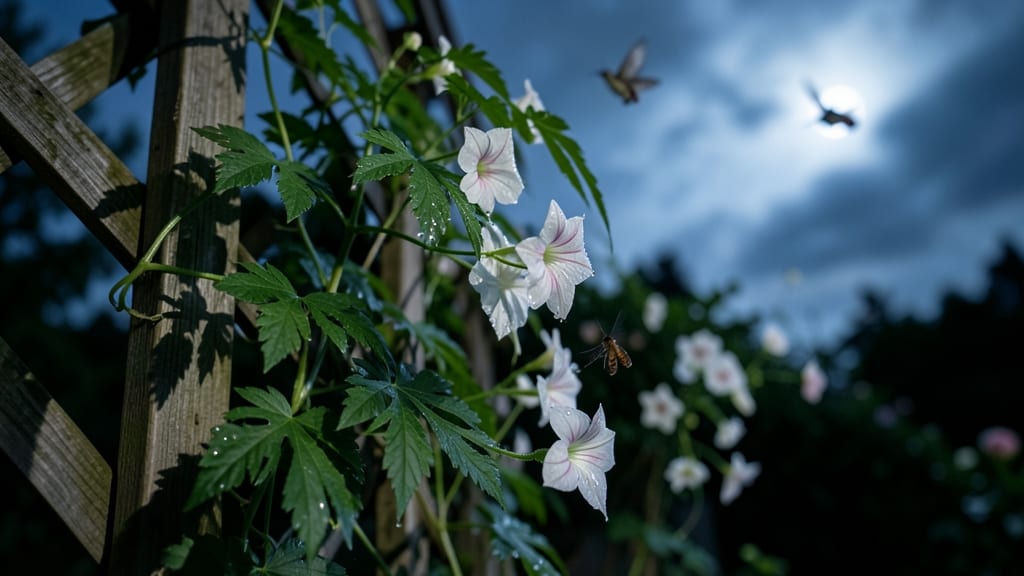
The night owl gardener in Grow-A-Garden leverages moonlit hours to cultivate light-sensitive plants like spinach, lettuce, and herbs, while working with cold-resistant varieties to extend growing seasons. They also support nocturnal pollinators like moths and avoid heat-sensitive tasks during cooler evening conditions, creating an efficient late-night gardening routine.
The night owl gardener's secret weapon is the moon's natural light spectrum, which boosts growth hormones in certain plants without the stress of daytime heat. 🌙 Many leafy greens and herbs actually thrive under moonlight, growing faster and more tender than daytime counterparts.
This approach also lets you tackle weeding and soil prep when temperatures drop, reducing evaporation and making every hour of work more productive. Plus, you'll discover a whole ecosystem of night-active pollinators that daytime gardeners often miss.
What's particularly clever about this strategy is how it turns gardening into a 24-hour operation. While most gardeners are sleeping, your plants are getting their ideal growing conditions, and you're avoiding the midday heat that can stress both plants and gardeners alike.
The key is focusing on plants that respond well to lower light levels and cooler temperatures—think leafy greens, herbs, and certain root vegetables that don't need full sun.
For those just starting with nocturnal gardening, I recommend beginning with a small section of your garden dedicated to moon-friendly plants. This way, you can test what works best in your climate without overwhelming your regular gardening routine. The results might just convince you to become a full-time night gardener!
💡 In This Article
- Best Moonlight Plants for Nighttime Gardeners
- Nocturnal Gardening Tools and Safety Tips
Best moonlight plants for nighttime gardeners
Moonlight gardening works because certain plants have evolved to thrive under low-light conditions, particularly those that produce more chlorophyll when exposed to blue and green wavelengths—abundant in moonlight. 🌙 These plants, like spinach and Swiss chard, actually grow faster under moonlight than under artificial light because their growth hormones (like gibberellins) respond to the moon's gentle spectrum without the stress of intense sunlight.
For example, spinach can grow 20-30% faster under moonlight compared to daytime conditions, thanks to its ability to convert light into energy more efficiently at cooler temperatures.
The lunar cycle also plays a crucial role—planting during a waxing moon (when the moon is growing) encourages leafy growth, while a waning moon promotes root development. Herbs like cilantro and parsley are ideal for nighttime planting because they mature quickly (30-45 days) and don't require full sun.
Even some root vegetables, like radishes, benefit from moonlight, as their growth isn't hindered by lower light levels. The key is avoiding plants that need intense sunlight, like tomatoes or peppers, which would struggle without 6-8 hours of direct sun.
Nocturnal pollinators like moths and bats become active after dark, making nighttime gardening an opportunity to support these often-overlooked species. 🦋 Plants that attract moths, such as evening primrose or moonflower, thrive when tended to at night, as their pollinators are most active during these hours.
This creates a symbiotic relationship where your garden becomes a haven for night-active wildlife while also benefiting from their pollination services. The scent of these flowers intensifies at night, drawing in pollinators that daytime gardeners might miss entirely.
Cool evening temperatures also reduce evaporation, meaning your seedlings retain moisture longer and weeds grow more slowly. This is especially beneficial for delicate herbs like basil or dill, which can bolt (flower prematurely) in hot daytime conditions.
By working at night, you're essentially giving these plants a stress-free environment to focus on growth rather than survival. The result? Healthier plants with fewer pests and diseases, as many insects are less active in the cooler night air.
To maximize success, focus on fast-growing crops that don't require full sun. A 10x10-foot section of your garden dedicated to moonlight-friendly plants can yield just as much produce as a daytime plot, if not more, depending on the species.
For instance, lettuce grown under moonlight often has a sweeter, more tender texture because it develops slower and retains more moisture. The trade-off? You'll need to monitor soil moisture more carefully, as cooler nights can sometimes lead to slower water absorption.
One advanced tip: Use reflective mulch or white gravel around your moonlight plants to amplify the available light. This simple trick can increase light exposure by up to 30%, helping plants like kale or arugula grow even better in low-light conditions.
The reflective surface mimics the moon's glow, giving your plants the extra boost they need without artificial intervention.