
Propagation
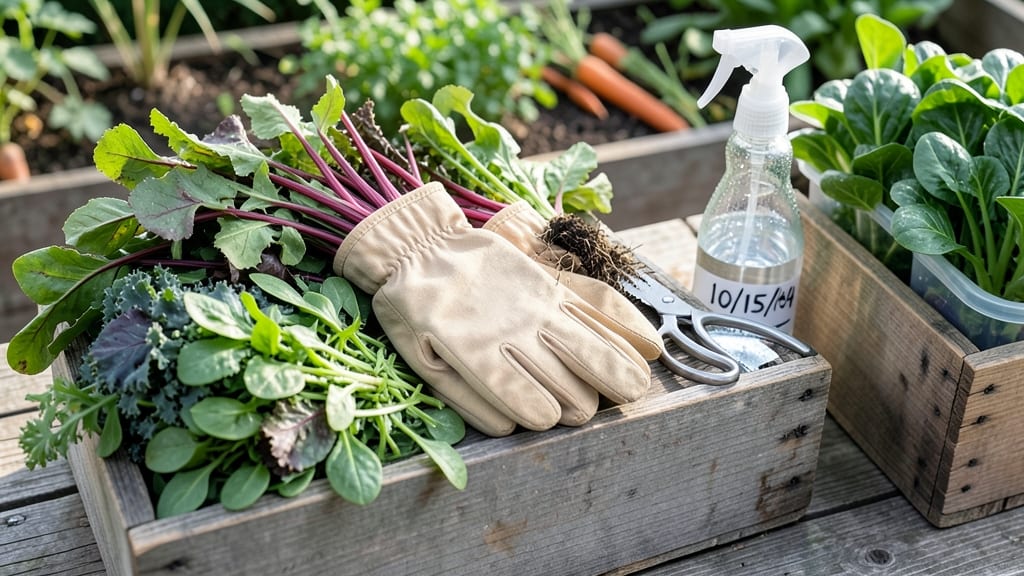
You can freeze hardy leafy greens like kale, Swiss chard, collard greens, and spinach straight from your garden after blanching to lock in freshness. Delicate varieties like lettuce or arugula won't hold up well without proper preparation.
Blanching—briefly dipping greens in boiling water before plunging them into ice water—stops enzyme activity that causes texture breakdown. This method preserves vibrant colors and nutrients better than freezing raw. 🌿 For example, spinach only needs 2 minutes in boiling water, while heartier kale can handle up to 3 minutes.
Once blanched, spread leaves on towels to dry completely before packaging to prevent ice crystals from forming.
Proper storage makes all the difference: use airtight containers or heavy-duty freezer bags, squeezing out excess air to maintain quality for up to 12 months. When thawing, use greens in cooked dishes like soups or sautés—never eat them raw after freezing, as texture becomes too soft.
💡 In This Article
- Why Blanching Preserves Garden Greens Before Freezing
- Step-by-Step Freezing Guide for Garden Greens
Why blanching preserves garden greens before freezing
The key to saving garden greens for later lies in blanching—a process that halts enzyme activity responsible for texture breakdown. When you freeze greens raw, enzymes like peroxidase and lipoxygenase continue working even in cold storage, causing cell walls to degrade and turning crisp leaves into a mushy mass.
Blanching at 190-212°F for 1-3 minutes (depending on the green) stops these enzymes while preserving nutrients better than freezing alone.
Science shows blanching also maintains vibrant color by preventing chlorophyll degradation. For example, spinach retains its bright green hue when blanched for 2 minutes versus turning dull if frozen raw. The ice bath after boiling shocks the leaves, locking in their fresh-picked quality.
Without this step, greens lose 30-50% of their vitamin C within just 3 months of freezing—blanching cuts this loss by half.
Texture is where blanching truly shines. Kale, with its sturdy stems, benefits from 3 minutes of blanching to maintain crispness, while delicate Swiss chard only needs 1-2 minutes to avoid wilting.
The process also removes surface dirt and pesticides, giving you cleaner greens to store. 🌱 Compare this to freezing raw: after 6 months, blanched collards stay firm enough for salads, while raw ones turn to sludge.
For shelf life, blanched greens last 10-12 months in the freezer when properly packaged, versus just 3-6 months for raw frozen greens. The difference comes from reduced oxidation and enzyme activity. Even after thawing, blanched greens hold their shape better in cooked dishes—ideal for stir-fries or soups where texture matters.
What most gardeners overlook is how temperature control during blanching affects results. Using a thermometer ensures water stays at 212°F—boiling water that's too hot can scorch leaves, while water below 185°F fails to fully deactivate enzymes.
The ice bath should use water just below 32°F to maximize shock value and preserve cell integrity.